
Olympic Physiotherapists: The Experts Behind Elite Athletes
Overview
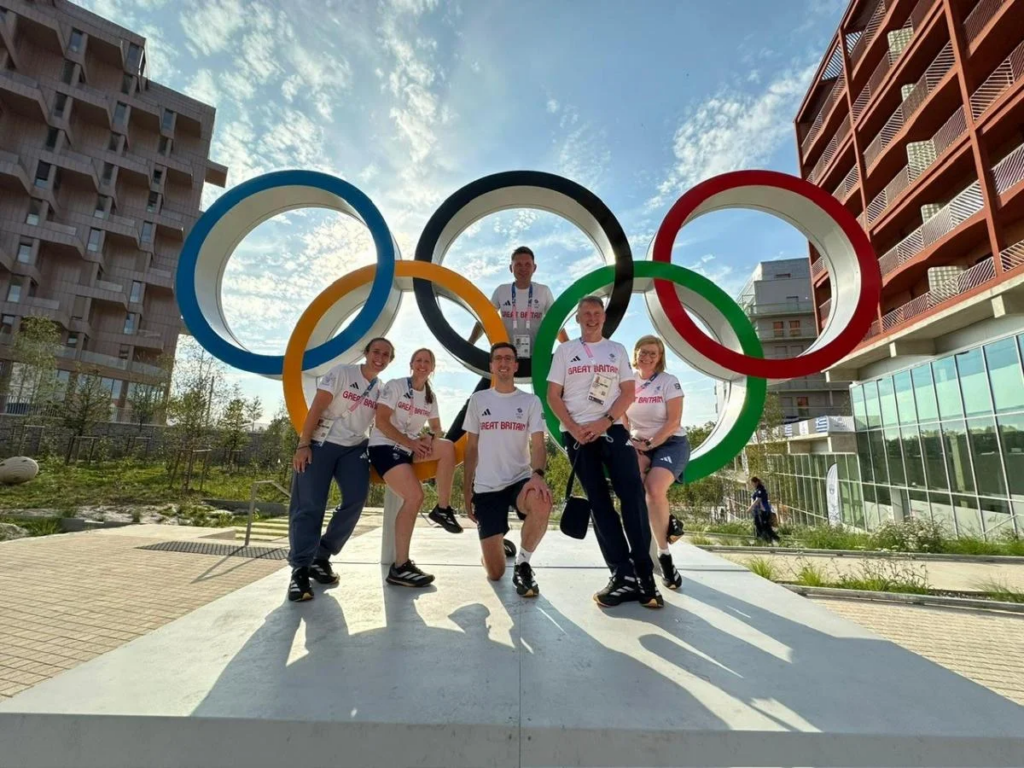
Olympic athletes undergo years of intense training. This not only pushes their bodies to the limit but also increases the risk of injury and wear. Consequently, Physiotherapists play a vital role in keeping these athletes healthy, aiding recovery, and preventing injuries.
In the Olympics, Physiotherapists provide a variety of services, including manual therapy, sports massage, mobility exercises, and rehabilitation programs. These interventions aim to address muscular imbalances, reduce soreness, and effectively restore strength.
Moreover, Physiotherapists also develop personalized recovery plans that incorporate rest, nutrition, and mental health support. This ensures a holistic approach to athlete wellness. Read more about physiotherapy for sporting injuries here.
The Vital Role of Physiotherapists in the Olympics
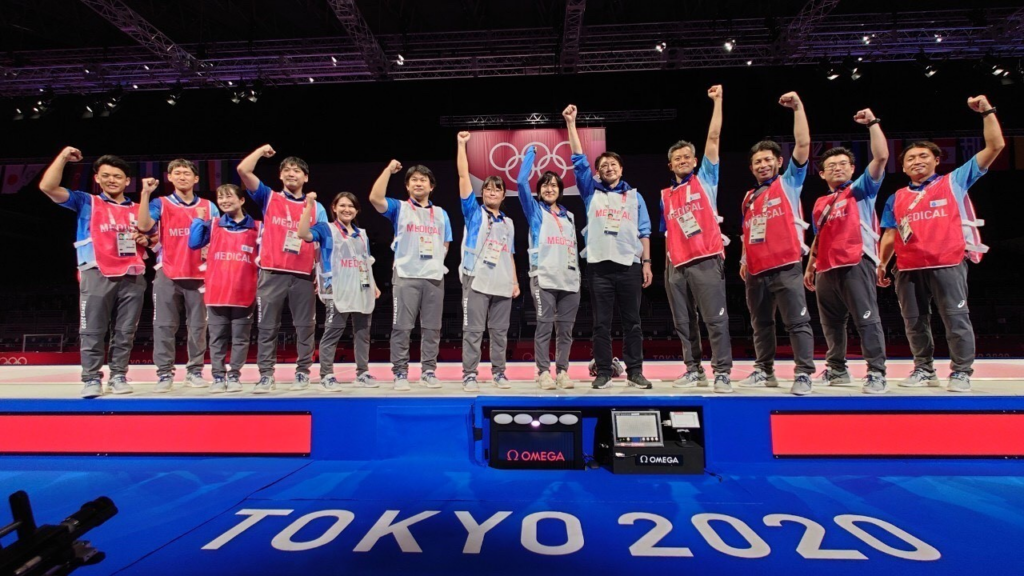
Olympic athletes endure years of rigorous training, pushing their bodies to the limits to achieve peak performance. With such strain comes a higher risk of injury and physical wear and tear. Physiotherapists are key figures in helping these athletes stay healthy, recover quickly, and prevent injuries from derailing their Olympic dreams.
In the Olympics, Physiotherapists provide a range of services, including manual therapy, sports massage, mobility exercises, and rehabilitation programs. Their goal is to address muscular imbalances, reduce soreness, and help athletes regain strength post-injury.
Beyond physical treatments, physiotherapists are also instrumental in creating personalized recovery plans, incorporating rest, nutrition, and mental health support.
Simone Biles: The Power of Physical and Mental Care
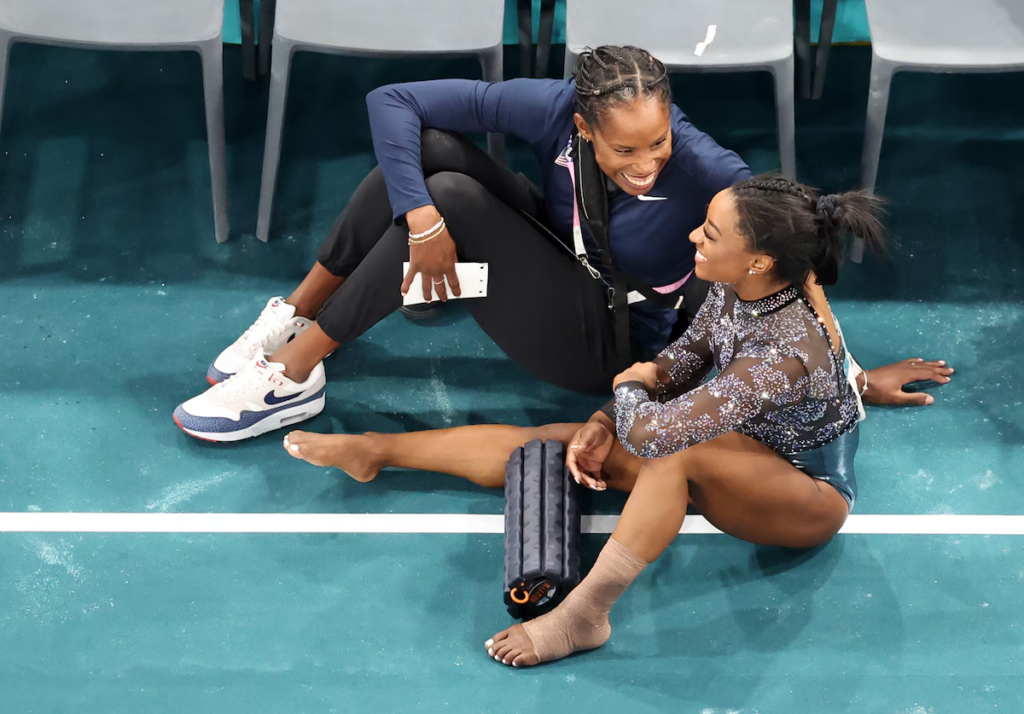
Simone Biles, one of the most decorated gymnasts in history, has openly shared her reliance on Physiotherapists for both physical and mental
recovery. Gymnastics is notorious for being one of the most physically demanding sports. Athletes like Biles needing to balance strength, flexibility, and endurance.
During the 2016 Rio Olympics, Biles’ physiotherapist, Marcia Faustin, played a crucial role in maintaining her health. Faustin worked closely with Biles to treat minor injuries and prevent muscle strains. This treatment allowed her to perform with remarkable precision and power.
In addition, Faustin’s work extended beyond physical treatments, helping Biles manage the stress and pressure of competing at the highest level. Faustin continued to support Biles as she faced mental health challenges at the 2020 Tokyo Olympics, illustrating the holistic role of physiotherapists in athlete wellness.
Michael Phelps: Mastering Recovery with Physiotherapy
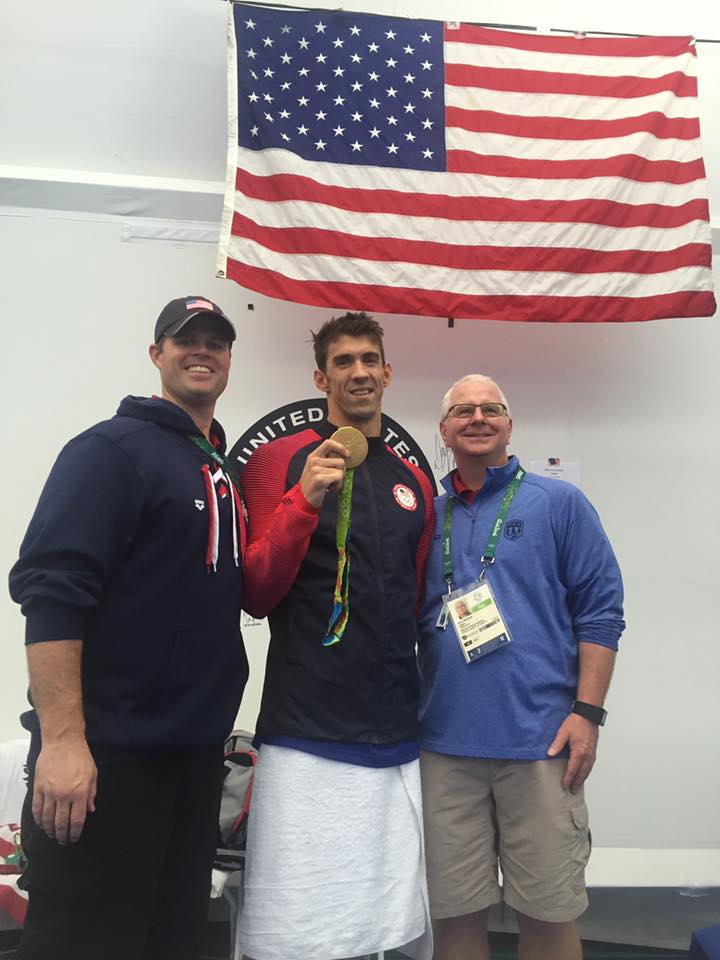
Michael Phelps, the most decorated Olympian of all time, relied heavily on his physiotherapists throughout his career. Phelps, known for his dominance in the pool, also experienced his share of physical challenges due to the repetitive strain that swimming places on the shoulders, back, and knees.
During the Rio 2016 Olympics, Phelps’ Physiotherapist, Keenan Robinson, was a key figure in his success. Robinson specialized in active recovery techniques, such as myofascial release. This helped Phelps maintain his flexibility and reduce muscle tightness after grueling races.
Additionally, Robinson used dry needling and cupping therapy—famous after Phelps’ appearances with circular marks on his skin—to accelerate muscle recovery. With Robinson’s expertise, Phelps was able to achieve extraordinary results in Rio, winning five gold and one silver medal at age 31.
The Importance of a Tailored Approach
Each Olympic athlete presents unique challenges that physiotherapists must address. For Biles, a gymnast’s high-impact, high-flexibility movements require special attention to her joints, muscles, and tendons, while for Phelps, the repetitive motions of swimming demanded a different set of recovery techniques. Physiotherapists are not one-size-fits-all; they adapt their treatments to each athlete’s sport, physical needs, and personal preferences.
This tailored approach often extends beyond just injury prevention and treatment. For instance, many physiotherapists now incorporate mental health considerations into their routines. By reducing physical stress and promoting overall well-being, they help athletes maintain focus, recover better, and ultimately perform at their best on the world’s biggest stage.
The Evolution of Physiotherapy in Olympic Sports
From Rio 2016 onward, the role of physiotherapists has grown beyond mere injury recovery. Athletes and their support teams now recognize the
importance of maintaining optimal physical health through every stage of competition. Physiotherapists are part of an athlete’s core team, working alongside coaches, nutritionists, and mental health professionals to create a comprehensive wellness plan.
Furthermore, technological advancements have also changed the landscape of physiotherapy in elite sports. Tools such as advanced imaging, biofeedback devices, and cryotherapy have allowed physiotherapists to offer more precise and effective treatments.
The increased attention to athlete recovery has pushed Olympic physiotherapy into the spotlight, highlighting the importance of a well-rounded support system in achieving athletic greatness.
Conclusion: The Unsung Heroes of Olympic Success
Behind every Olympic triumph lies a team of dedicated professionals who support athletes in achieving their best, and physiotherapists are key players in that success. From Rio 2016 onwards, athletes like Simone Biles and Michael Phelps have demonstrated that physiotherapy is not just about healing injuries but enhancing performance and supporting holistic wellness. Physiotherapists ensure that athletes can continue to compete at the highest level, making them indispensable in the pursuit of Olympic glory.
Want to start your journey with West End Physiotherapy? Request an appointment today!