
Considering Physiotherapy? What a Typical Day of a Physiotherapist Looks Like
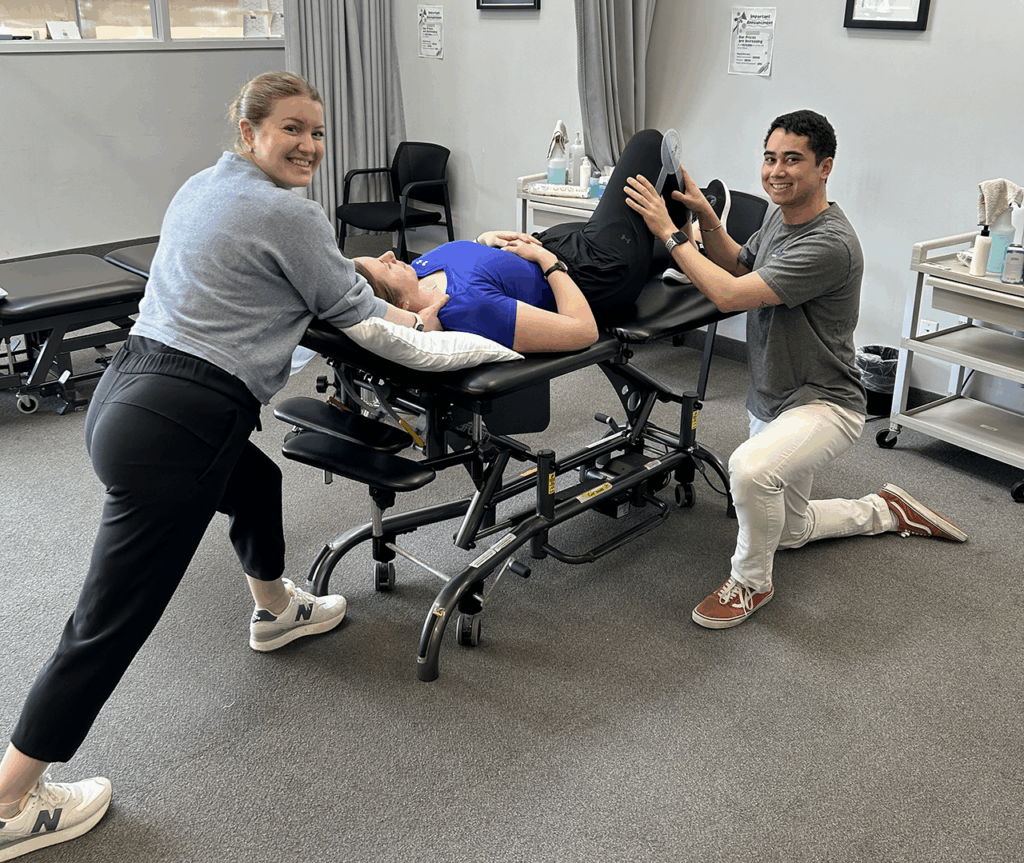
A Look Into a Typical Day of a Physiotherapist
Ever wondered what a day in the life of a physiotherapist really looks like? If you’re an undergraduate student considering applying to a Master of Physiotherapy program, you might be curious about the daily routines, challenges, and rewards of this growing healthcare career. From early-morning assessments to hands-on treatment sessions and patient progress checks, physiotherapists balance science, problem-solving, and human connection every day. In this post, we’ll take you inside a typical day so you can see what it’s really like to work in this dynamic and rewarding profession.
Assessments & Patient Preparation
Physiotherapists usually start their day by reviewing patient charts and preparing for upcoming appointments. A big part of the role involves conducting initial assessments, which help determine a patient’s condition, treatment needs, and long-term goals.
During an assessment, a physiotherapist may:
- Ask detailed questions about symptoms, injuries, or health history.
- Perform physical tests, such as range of motion, strength, or balance evaluations.
- Create a personalized treatment plan tailored to the patient’s recovery.

Hands-On Treatment Sessions
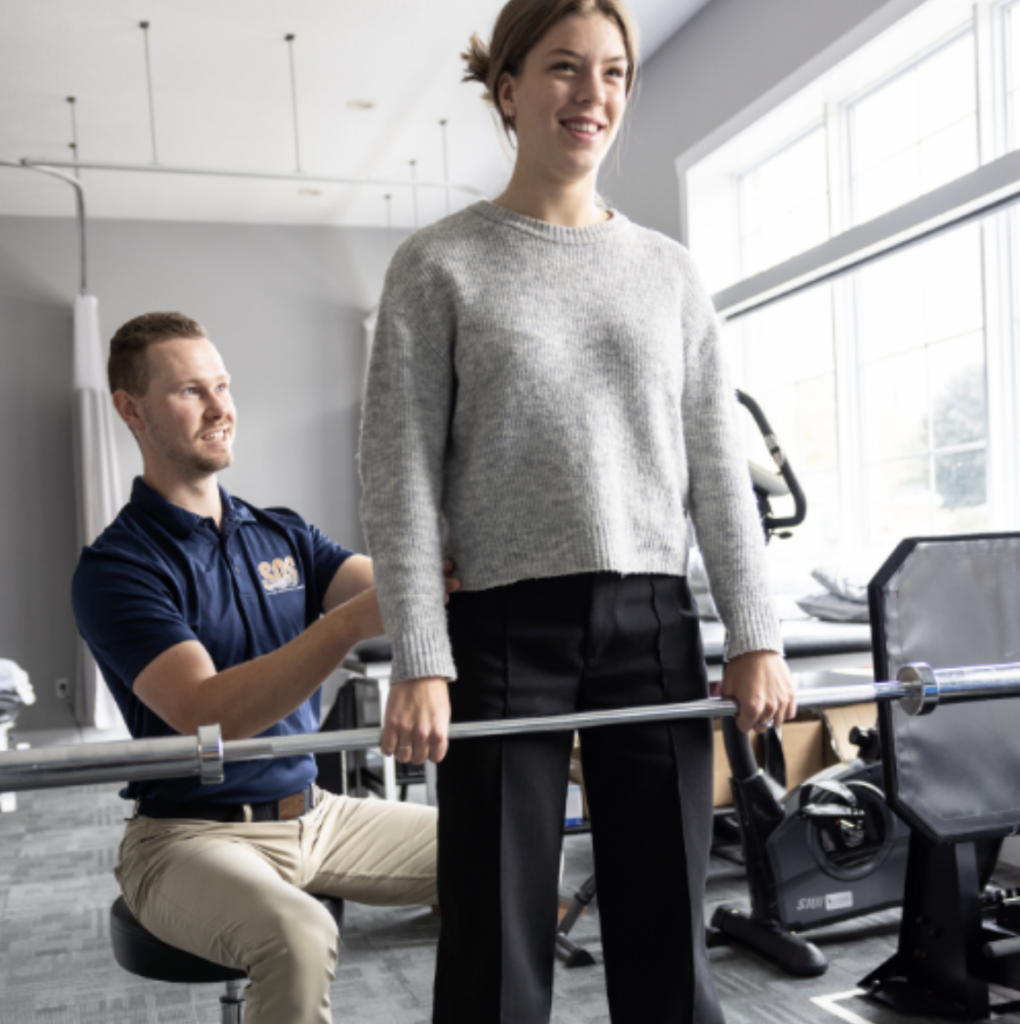
The day is often packed with back-to-back treatment sessions. Depending on the practice setting, a physiotherapist might work with athletes recovering from sports injuries, older adults improving mobility, or individuals regaining strength after surgery.
Common treatments include:
- Manual therapy (hands-on techniques to reduce pain and improve function).
- Exercise prescription (customized exercises to strengthen muscles and restore movement).
- Education (teaching patients about posture, ergonomics, or injury prevention).
Did you know that a Physiotherapist can treat ….
- TMJ pain
- Concussions
- Vertigo
- Headaches and Migraines
- Chronic Pain Management
Progress Tracking & Collaboration
During sessions and while charting, physiotherapists often focus on tracking patient progress. This may involve adjusting treatment plans, re-testing physical abilities, or setting new goals.
Additionally, physiotherapists also work closely with other healthcare professionals such as doctors, occupational therapists, and athletic trainers to ensure patients receive the best possible care. This collaboration highlights the importance of communication skills in physiotherapy.
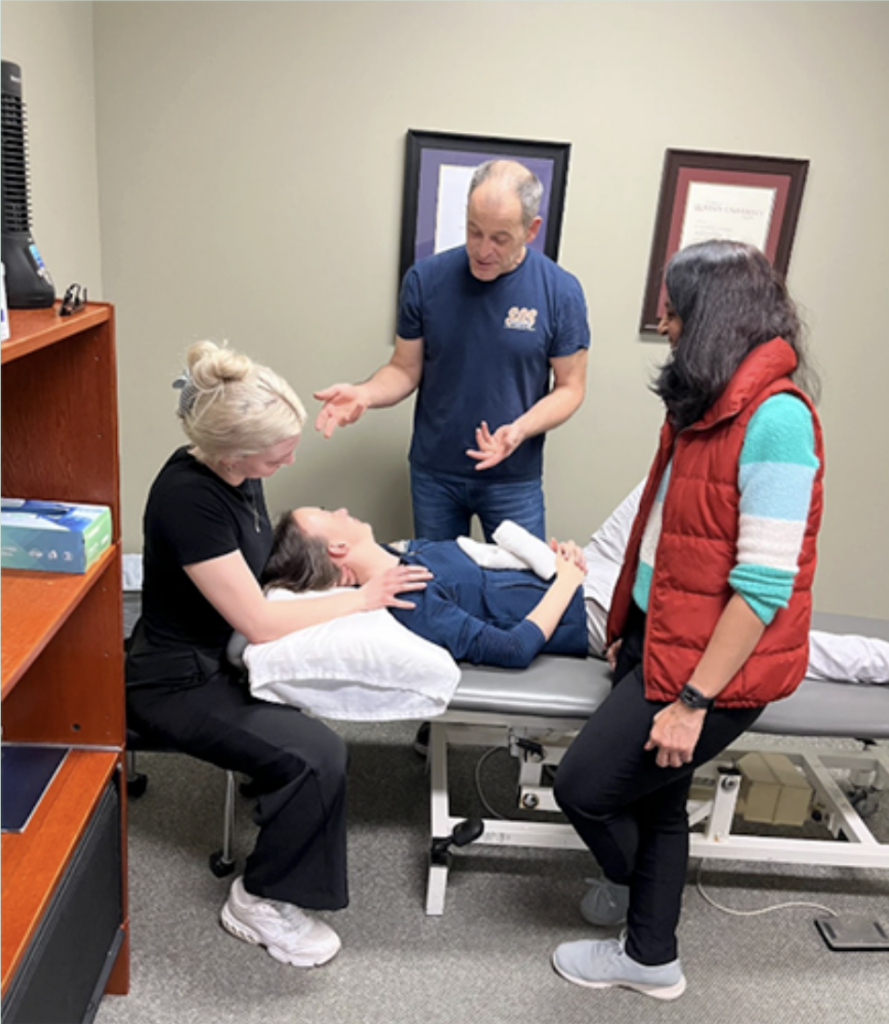
Beyond Patient Care: Professional Growth and Wellness
While direct patient care is the highlight of the day, physiotherapists also dedicate time to
- Taking courses to stay up to date on their hands on skills, as well as learn new skills as physiotherapy is always evolving
- Consulting with their coworkers about cases and learning from each other to ensure patient care is top tier
- Receiving treatment from their colleagues to ensure that they can continue to provide excellent care to their patients
For students thinking about applying to a Master of Physiotherapy program, these behind-the-scenes tasks are just as important as the hands-on care. They ensure physiotherapists provide safe, effective, and ethical treatment.
Why Choose A Career In Physiotherapy?
Being a physiotherapist is more than a job, it’s a rewarding healthcare career that combines science, movement, and patient care. Students drawn to this path often share a passion for helping others, a curiosity about the human body, and a desire to work in a constantly evolving profession.
Benefits of becoming a physiotherapist include:
- A wide range of career paths (sports, pediatrics, geriatrics, neurological rehab, and more).
- Strong job demand in Canada and worldwide.
- The ability to make a meaningful difference in people’s lives every single day.
Are you the right fit for physiotherapy?
- Do you like to educate others and see them succeed?
- Do you enjoy meeting new people each and everyday?
- Do you desire having to problem solve?
Joining SOS as an Undergraduate Student
SOS thrives when working with students. Across all 5 of our locations in Ontario we have Co-Op students from the University of Waterloo who help us keep our clinics running smoothly. It gives students a chance to see the behind the scenes of physiotherapy while also learning from some of the regions best physiotherapists.
SOS also accepts volunteers from University students in the area! Our volunteers also get to work closely with our physiotherapists and patients and get an inside look at how we treat varying injuries and conditions. Multiple of our volunteers and Co-op students have gone on to pursue a Masters of Physiotherapy and eventually have come back to join the SOS team!
Currently at our Northfield location we have Adam Dafoe, Adam Hanton Fong, Amanda Calford, Jennifer Rioux and Alison Shaw who all previously volunteered with SOS and then came back to join the team upon completing their graduate studies!
If you are interested in volunteering with us to see what physiotherapy is all about send us an email at northfield@sosphysiotherapy.ca