Stretching: The Top 5 Reasons to Stretch

What is Stretching?
Stretching, is the act of gently lengthening your muscles and moving your body to increase flexibility and reduce muscle tightness. It’s like giving your body a gentle and relaxing exercise to help your muscles feel less tense and improve your ability to move more easily.
What are some examples of Stretches?
- Neck Stretch: Gently tilt your head to one side, bringing your ear towards your shoulder. Hold for a few seconds and then switch to the other side.
- Child’s Pose: Kneel on the floor, then sit back on your heels and extend your arms forward, lowering your chest towards the ground.
- Triceps Stretch: Raise one arm overhead, then bend your elbow, bringing your hand down your back. Use your other hand to gently push on your bent elbow.
- Quad Stretch: Stand on one leg and grab your other ankle behind you, pulling it toward your buttocks.
- Hurdler Hamstring: Sit on the floor with one leg straight and the other leg bent. Lean forward, reaching for your toes on the straight leg.
Top 5 Reasons to Stretch!
Stretching Muscles and Joints Improves Flexibility
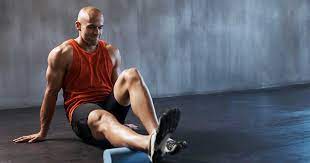
Stretching helps your muscles and joints move more easily. It makes your body more flexible, like a rubber band that can stretch without breaking. This can help you reach for things, bend, and move with less effort.
Imagine your muscles as knots in a rope. The pull feelings on the those muscles is like gently untying those knots, making the rope (your muscles) smoother and less bumpy, so you feel more comfortable.
A Good Muscle Pull Alleviates Muscle Tension
Regular mobility exercises can relax tight and tense muscles. It’s like giving your muscles a little massage. When your muscles are less tense, you feel more comfortable and less sore.

Think of it like a rubber band that’s regularly stretched; it becomes more flexible and can stretch farther without snapping. Similarly, stretching keeps your muscles and joints supple, helping you reach, bend, and move more easily.
Completing Stretches Regularly Prevents Injury
Engaging in flexibility exercises can make your muscles and joints less prone to injuries. It’s like warming up your body before exercise, making it less likely to get hurt during physical activities.
Think of it as a warm-up for your body. Just like you wouldn’t want to run a car engine at full speed without warming it up first, you shouldn’t jump into intense physical activity without a bit of stretching to prevent strains or sprains.
Stretching Boosts Blood Flow
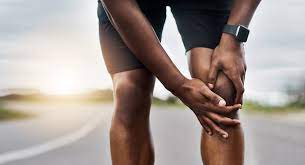
These movements get your blood flowing. It’s like opening the faucet to allow more water to flow through the pipes. Better blood flow means your muscles get more oxygen and nutrients, which can make them work better.
This improved blood flow is similar to turning up the flow of water in a hose. It nourishes your muscles, making them work more efficiently and reducing the likelihood of muscle cramps and fatigue.
Stretching Enhances Posture
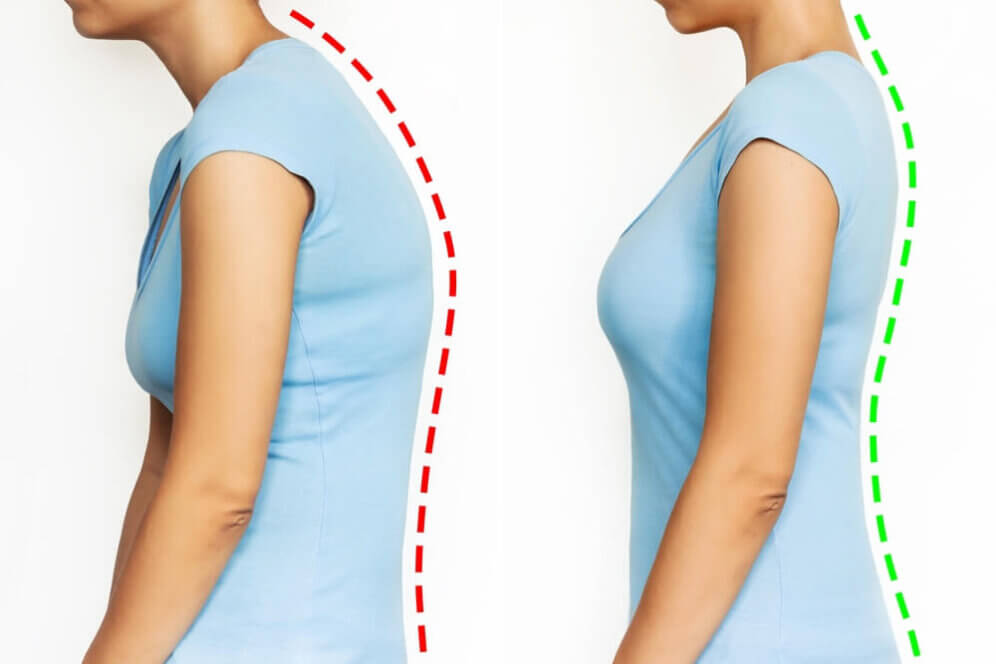
Such exercises can help you stand and sit up straighter. It’s like reminding your body to stay in a good position, which can prevent back and neck pain caused by poor posture.
It’s like gently reminding your body to sit up straight or stand tall. By lengthening the muscles that may have become tight due to poor posture, stretching helps you maintain a better and more comfortable posture.
Foam Roller Streching Exercises
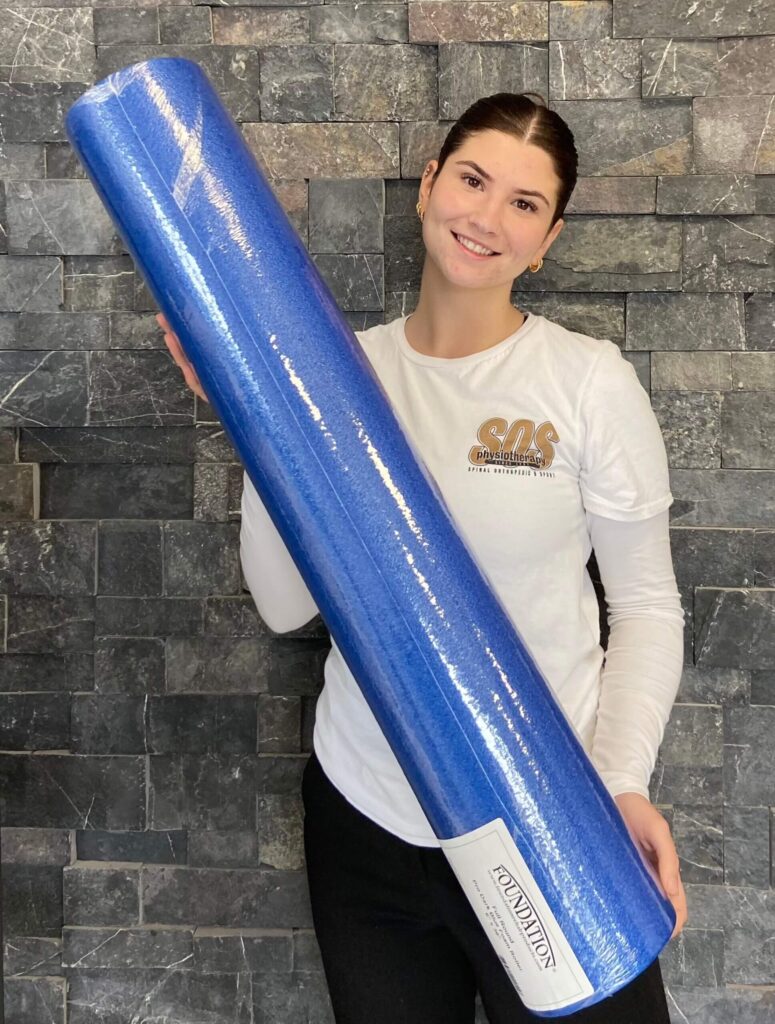
Here are some of my most favourite and effective foam roller exercises. Take a look!
- Quadriceps Roll:
- Sit with the foam roller under your thighs.
- Roll from your hips to just above your knees.
- This exercise helps release tension in your quadriceps and is particularly beneficial for individuals with tight leg muscles.
- Thoracic Spine Stretch:
- Lie on your back with the foam roller positioned under your upper back.
- Place your hands on the back of your head.
- Roll up and down your upper back to release tension in the thoracic spine. This exercise is great for alleviating upper back and shoulder tension.
- Check out this exercise demonstrated by one of your physios!
- IT Band Roll:
- Lie on your side with the foam roller positioned under your outer thigh.
- Roll from your hip to just above your knee.
- This exercise targets the iliotibial (IT) band and is beneficial for individuals with outer thigh and hip tightness.
These foam roller exercises are effective for addressing common areas of muscle tension and can be incorporated into your stretching and self-myofascial release routine to improve overall flexibility and comfort.
Contact us today to schedule your initial assessment and embark on your journey to a more stable, dizziness-free life:
Email: info@westendphysio.com
Phone: 604-684-0047
Stay connected with us and gain valuable insights, tips, and updates by following us on Instagram: @westendphysiotherapy.
We’re here to guide you every step of the way throughout your journey to improved well-being.
Stretching FAQs!

Have questions? Someone has definitely had some similar thoughts as you! Take a look at some of the answers to your most frequently asked questions shown below.
Usually, if stretching causes you pain, discomfort, reduced flexibility, joint instability, recurring injuries, or muscle weakness, it’s an indication that you may be stretching too much. Stretch within your comfort zone and avoid pushing your body past its limits to stay safe and injury
The unhealthiest form would be ballistic stretching. Ballistic stretching involves bouncing or jerking movements to force your muscles to stretch beyond their natural range of motion. It can be dangerous and increase the risk of injury, such as muscle strains, ligament sprains, or joint damage. It’s generally not recommended, and safer stretching techniques like static stretching or dynamic stretching should be preferred for most individuals. Ballistic stretching is more beneficial for high level athletes but is not recommended for individuals who want to improve their flexibility.
The top three biggest cautions when it comes to stretching are:
Avoid Overstretching: This should not be painful, and overstretching can lead to injury. Always stay within your body’s comfortable range of motion.
No Bouncing: Avoid bouncing, which involves bouncing or jerking movements. This type of stretching can increase the risk of muscle and joint injuries.
Proper Warm-Up: Always warm up with light aerobic exercises before stretching. Stretching old muscles can lead to strains and discomfort.