
Massage Therapy at West End Physiotherapy
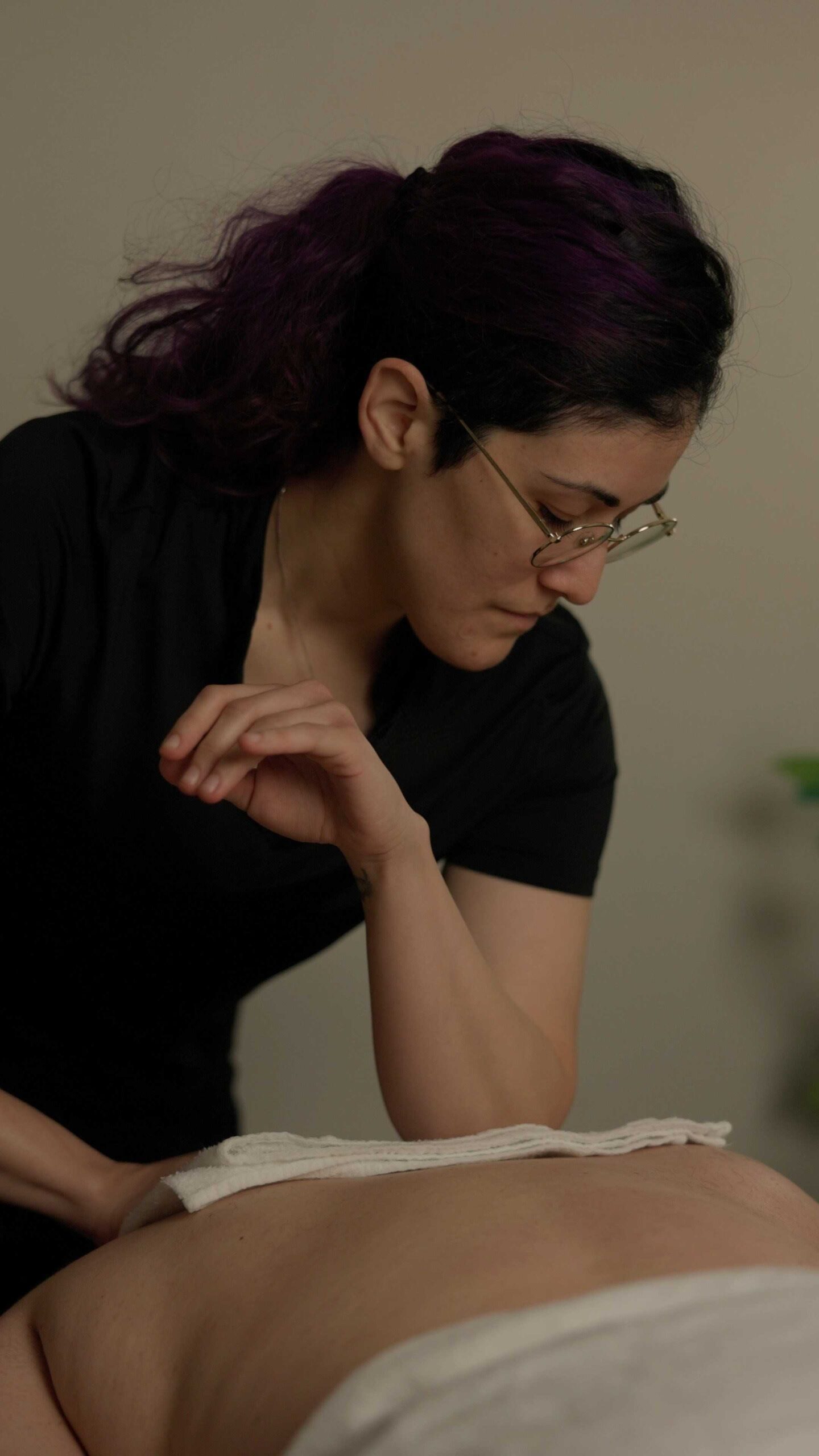
Massage therapy is commonly used in Vancouver as part of a broader approach to rehabilitation, injury recovery, and ongoing physical wellness. Registered Massage Therapists (RMTs) are trained to assess soft tissue and movement patterns that may be associated with overuse, injury, postural strain, repetitive activity, or long-standing conditions.
At West End Physiotherapy, registered massage therapy is provided through a collaborative and client-centered approach. Our RMTs work within their professional scope to adapt treatment based on evidence-informed practice, your health history, and how your body responds over time. Care may focus on supporting mobility, circulation, tissue health, and symptom management.
Massage therapy can be helpful on its own or as part of a coordinated rehabilitation plan alongside physiotherapy, chiropractic, and other services. If you are seeking therapeutic massage rather than spa-based relaxation, our team can help you determine whether massage therapy could be a supportive part of your care.
Understanding Your Soft Tissues:

Soft tissues include muscles, tendons, ligaments, fascia, and other connective tissues that work together to support movement, stability, and physical load.
- Muscles contract to create movement and help maintain posture
- Tendons connect muscles to bones
- Ligaments connect bones and help stabilize joints
- Fascia surrounds and connects muscles and organs, contributing to movement coordination
Soft tissues play an important role in how your body responds to daily demands, training, work, and recovery. With repetitive loading, prolonged positioning, stress, or injury, these tissues may become sensitive, restricted, or less tolerant of activity.
Massage therapy may support soft tissue health by addressing areas of tension or sensitivity and by improving body awareness and circulation. Furthermore, it is often used as part of a broader rehabilitation or wellness strategy, particularly for individuals who are actively engaged in their recovery or long-term health.
A Collaborative and Realistic Approach to Care
Registered Massage therapy is most effective when it’s part of a collaborative and client-centred approach to care. Everyone’s experience is different, and while results can vary, massage therapy may support comfort, confidence in movement, and overall well-being when tailored to your goals. Your RMT will work with you to set realistic expectations, adapt treatment as needed, and support your rehabilitation or wellness journey with care and respect.
Furthermore, as a final consideration, our team provides neurodivergence-inclusive care, offering flexible communication and sensory-aware treatment options. One of our RMTs is a certified autism specialist, and all of our therapists are experienced in adapting sessions to support sensory and processing needs. We aim to work collaboratively with each client to understand their preferences and comfort, and we tailor treatments to what works best for you.
Modalities and Techniques We Offer:
*All of which are chosen by the RMT, based on the personalized goals and areas of concern discussed during the intake and assessment portion of the visit with the patient and offered at no extra cost
Swedish Massage
-Effleurage, petrissage (kneading), tapotement (rhythmic percussion), friction, vibration
-Often used to support circulation, relaxation, and general tissue readiness
Deep Tissue Work
-Slower, sustained pressure targeting deeper layers of muscle and fascia
-Adapted based on client tolerance and tissue response, not inherently forceful
Myofascial Release
-Sustained, low-load stretching and gentle traction applied to fascia and connective tissue
-May support movement ease and tissue mobility over time
Trigger Point Therapy
-Sustained pressure applied to areas of localized muscle sensitivity
-Used to address referred sensations and reduce localized tension patterns
Joint Mobilization (within RMT scope)
-Gentle, passive movement at a joint to support mobility and reduce stiffness
-Not manipulation; Patient is checked in with throughout to stay within comfortable range of motion for patient
Hydrotherapy Adjuncts (where applicable)
-Hot or cold applications used before or alongside treatment to prepare tissue or support recovery
Neuromuscular Techniques
-Targeted work on muscle-nerve relationships, including techniques such as muscle energy, neurokinematic, etc.
Prenatal and Postpartum Adaptations
-Positioning, pressure, and technique modified for safety and comfort throughout pregnancy and recovery
Infant Massage
-Gentle, age-appropriate techniques; involves caregiver education and connection
Massage therapy promotes tissue healing, so you can get back to living your life as quickly as possible. By working to mobilize, loosen, and relax your muscles, you can help them stay limber. This will decrease your risk of future strains, sprains, and ruptures.
How Massage Therapy May Support Your Health
Registered Massage Therapy can play a supportive role in rehabilitation, injury recovery, and long-term wellness. Treatment is guided by clinical assessment, professional standards, and your individual goals.
Massage Therapy May Support Individuals Experiencing:
Musculoskeletal and Orthopedic Support
- Low back, neck, and shoulder discomfort
- Jaw tension and TMJ-related muscle symptoms
- Whiplash-associated neck and upper back discomfort
- Muscle strain, joint stiffness, and postural stress
Pregnancy and Postpartum Care
- Lower back, pelvic, hip, or rib discomfort
- Swelling, sciatica-type symptoms, and general muscle tension
- Postpartum soft tissue support and recovery awareness
- Treatment is adapted for comfort, safety, and individual needs throughout pregnancy and postpartum recovery
Neurological, Nerve-Related, and Chronic Condition Support
- Muscle tension and discomfort associated with conditions such as multiple sclerosis or Parkinson’s disease
- Nerve-related tightness or sensitivity patterns
- Nerve-related arm, hand, or wrist discomfort such as carpal tunnel-type symptoms
- Treatment pace, pressure, and techniques are adapted based on individual response and comfort
Infant Massage
- Gentle comfort and relaxation
- Parent or caregiver connection and education
- All techniques are age-appropriate and guided by safety considerations
Digestive and Abdominal Comfort
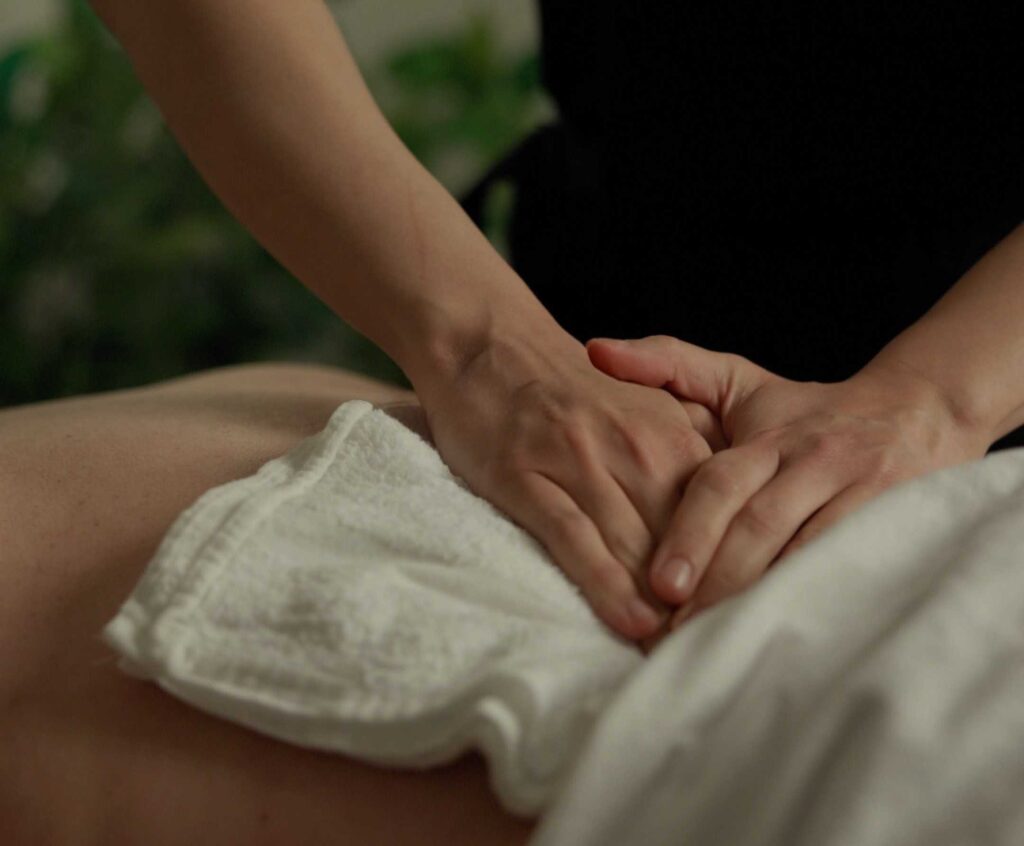
- Massage therapy may help gastrointestinal comfort by addressing soft tissue tension patterns around the abdomen and trunk that can relate to sensations of discomfort or constipation, as part of a broader wellness conversation
Pain, Headaches & Chronic Conditions
- Tension-related or cervicogenic headaches
- Chronic pain conditions, such as fibromyalgia, with individualized, gentle, or adapted approaches.
Additionally, in reference to:
Stress and Nervous System Support
- Possibly reduce physical tension related to stress
- May support nervous system regulation and relaxation
- Could improve body awareness and sleep quality for some individuals
Rehabilitation and Movement Support
- Could support improving range of motion, flexibility, and tissue awareness as part of coordinated rehabilitation
- Can support comfort and movement readiness, so exercise and rehabilitation feel more manageable when combined with physiotherapy or other care
A Collaborative and Realistic Approach to Care
Massage therapy is most effective when it’s part of a collaborative and client-centred approach to care. Everyone’s experience is different, and while results can vary, massage therapy may support comfort, confidence in movement, and overall well-being when tailored to your goals. Your RMT will work with you to set realistic expectations, adapt treatment as needed, and support your rehabilitation or wellness journey with care and respect.
Furthermore, as a final consideration, our team provides neurodivergence-inclusive care, offering flexible communication and sensory-aware treatment options. To that end, one of our RMTs is a Certified Autism Specialist, and all of our therapists are experienced in adapting sessions to support sensory and processing needs. We aim to work collaboratively with each client to understand their preferences and comfort, and we tailor treatments to what works best for you.
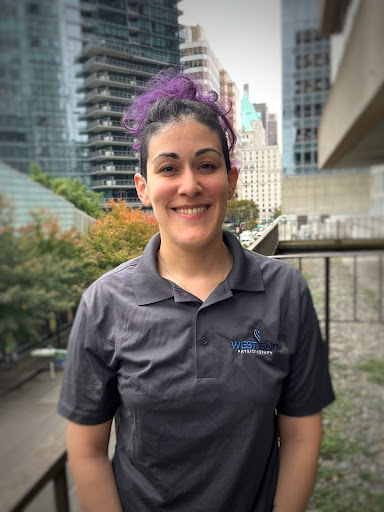
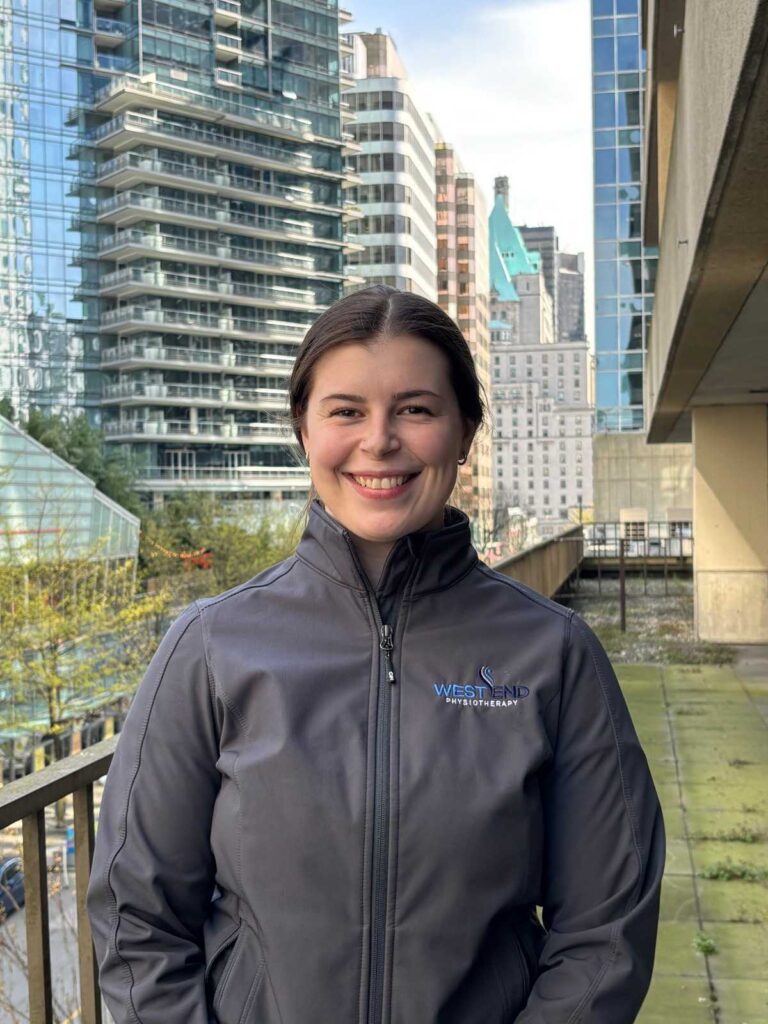
Meet Our Registered Massage Therapists:

Contact West End Physiotherapy Today For Massage Therapy
Your soft tissues work hard to make sure your body is functioning correctly, therefore it is important to help optimize their health and function. If you are in Vancouver looking for registered massage therapist, request an appointment from West End Physiotherapy. Our massage therapists are happy to discuss our massage service with you and how it will benefit your life.
