
Cracking the Code to Long-Term Health: The Importance of Setting Goals in your Physiotherapy Journey

Why is it important to make health and fitness goals and how will it benefit me?
Setting and achieving health and fitness goals is important for many reasons, each contributing to an overall improvement in well-being. Here are some key reasons why health and fitness goals are important:
- Improved Physical Health: Setting specific fitness objectives encourages you to engage in regular physical activity which improves cardiovascular health, strengthens muscles and bones, prevents chronic diseases and boosts overall physical fitness.
- Achieving health objectives often involves adopting habits that support long-term well-being.
- Setting and achieving fitness goals can reduce stress, anxiety, and depression. Exercise releases endorphins, which are known as “feel-good” hormones, contributing to an overall positive mood.


- Encourages the adoption of long-term lifestyle habits: It’s not just about short-term changes but establishing routines that contribute to well-being over the course of your life.
- Social Connection: Participating in group fitness activities or sports can foster social connections, creating a supportive network that enhances motivation and accountability.
- Achieving goals contributes to an improved quality of life. Whether it’s the ability to participate in activities without limitations, enjoy hobbies, or have the energy to engage with loved ones, a focus on health and fitness enhances overall life satisfaction.
Goal setting is an important aspect to any rehabilitation process. To learn more in-depth information about how goals can impact this process, look into this article from Physiopedia about goal setting in rehabilitation.
How do I create effective health and fitness objectives during my physiotherapy journey?
One of the first steps to reaching your objectives is to take the leap and get started with your physiotherapy journey by booking an assessment at SOS Physiotherapy! Here’s a guide to help you make achievable and sustainable health and fitness goals while going through your physiotherapy plan:
- Assess where you’re at and identify areas where you want to make improvements, considering any specific health concerns or conditions.
- Set Realistic and Specific Goals: Identify specific areas of improvement, such as improving joint flexibility, muscle strength, or balance and coordination.
- Measurable Goals: For example, increasing range of motion in a joint or improving muscle strength.
- Incorporate Rehabilitation Exercises: Work with your physiotherapist to include rehabilitation exercises in your fitness routine that address specific weaknesses or imbalances.
- Break down your overarching health and fitness goals into smaller, manageable milestones.
- Celebrate Milestones: Acknowledge and celebrate achievements, no matter how small. Positive reinforcement can enhance motivation and commitment to the physiotherapy-focused fitness journey.
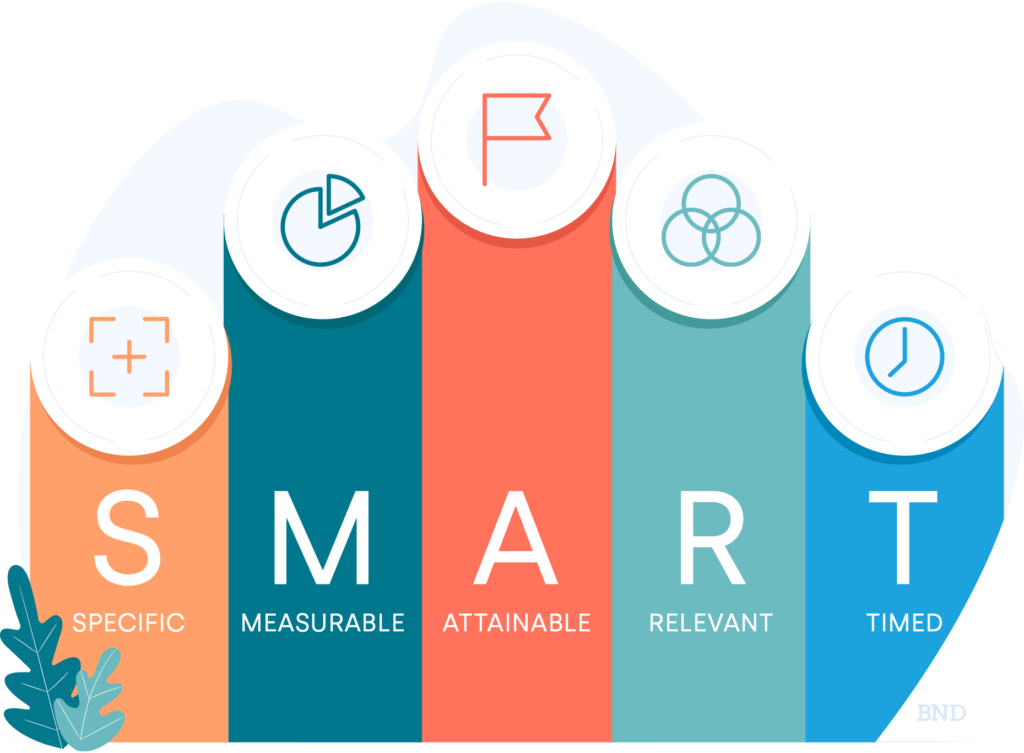
For a step-by-step process into specific goal setting, Physiopedia provides a comprehensive overview:
I’ve made my goals… Now what?
How to maintain and follow through on your health and fitness goals.
Collaborate with Your Physiotherapist: Communicate openly with your physiotherapist about your health and fitness goals.
- Ensure that your fitness routine aligns with your physiotherapy plan and is tailored to address your specific needs.
Consistency is Key: Consistency is crucial for both physiotherapy and fitness goals.
- Stick to prescribed exercises and incorporate them into your routine. Create a realistic schedule that balances physiotherapy exercises with other fitness activities.
- Listen to Your Body: Adjust your fitness routine based on your body’s feedback and any guidance provided by your physiotherapist.
- Modify Exercises as Needed: Be flexible and willing to adapt your routine based on your evolving physical condition.
Stay Positive and Stay Motivated: Maintaining a positive mindset is essential. Focus on the progress you are making rather than dwelling on challenges.
- Find sources of motivation, whether it’s connecting with a supportive community, tracking your achievements, or visualizing the long-term benefits of your efforts.
Remember, the key to maintaining health and fitness goals is a collaborative and adaptive approach. By working closely with your healthcare team, staying consistent, and being patient, you can successfully integrate both physiotherapy and fitness into your lifestyle through goal-setting.
Frequently Asked Questions
The dynamic nature of rehabilitation and the need for regular reassessment to make sure that goals remain relevant is very important to the physiotherapy journey. Listen to your body and consistently assess how you feel. Speak with your physiotherapist regularly to see how you’re progressing. Also, be kind to yourself! If you need to extend or modify your goals or steps, do so accordingly.
Staying motivated requires a positive mindset and realistic expectations. Celebrate small victories along the way, stay focused on the benefits of achieving your goals, and communicate openly with your physiotherapist about any challenges or concerns you may encounter.
Tracking progress can be done through various methods, such as keeping a journal of exercises performed, recording changes in pain levels or mobility, or using objective measures like range of motion assessments.
Maintaining progress often involves incorporating exercises and lifestyle changes into your daily routine. Continuously engage in activities that support your goals, attend follow-up appointments, and communicate with your physiotherapist about any changes or challenges you experience.