
Ice vs. Heat: When to use Which for Pain and Injuries
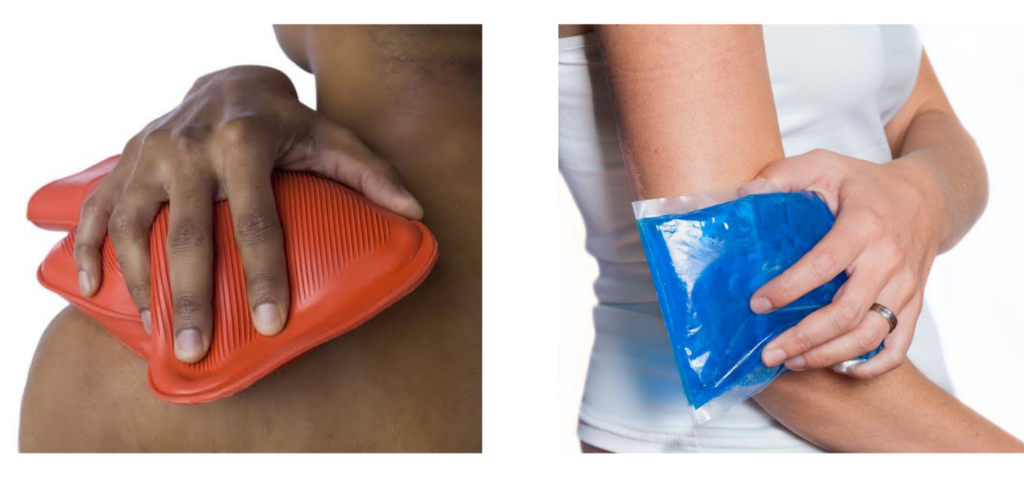
Are you healing from a tough workout? Maybe you have a joint or muscle injury. You might wonder if you need an ice pack or a heating pad. Temperature therapy is a basic tool for recovery. However, the science behind it has changed lately. In this guide, we explore how our physical therapy services use these methods. We will break down what you need to know to heal well.
What is temperature therapy?
Temperature therapy means applying cold or heat to your body. It helps treat muscle and joint injuries. It also soothes muscle damage from exercise.
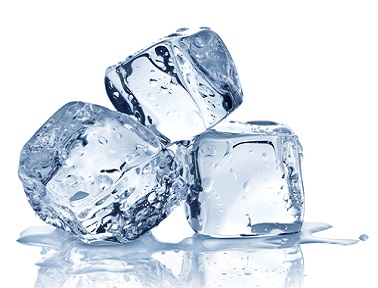
Cold therapy uses items like ice or cold plunges to lower your tissue temperature. This helps narrow your blood vessels to reduce swelling.
Heat therapy uses hot packs, warm baths, or ultrasound. This raises your tissue temperature and widens your blood vessels.
Why is it important?
⚠️ Be careful: Old advice said to ice injuries right away. However, immediate icing can actually block important healing chemicals. This delays your body’s overall healing process!
In the past, heat and cold were the most popular treatments. People used them for sore muscles and new injuries.
Because traditional rules are changing, you must understand the new science of tissue recovery and inflammation. This knowledge helps you heal faster and avoid outdated, harmful habits.
Even with these changing rules, proper temperature therapy is still highly effective. It remains a great tool for managing delayed muscle soreness (DOMS) and offers quick pain relief when used correctly.
Benefits of Temperature Therapy for Physical Therapy
Cold Therapy:
- Short cold sessions of about 20 minutes are very helpful. They reduce immediate redness, itching, numbness, and swelling.
- New cold treatments work best for deep muscle pain. This is especially true if you wait more than 48 hours after exercise.

Heat Therapy:
- Moving away from ice toward heat and gentle movement is a good idea. This can actively improve your recovery and shorten hospital stays.
- Extra blood flow from heat lowers muscle stiffness. It improves how well you can move, which is especially helpful if you are dealing with upper body joint issues.
When to use Ice vs. Heat After Exercise or a Workout
| Time Since Workout | Recommended Therapy | Primary Benefit |
| 0 – 48 Hours | ♨️ Heat Therapy | This is the most effective choice. It relieves pain within the first 48 hours after exercise. |
| 48+ Hours | ❄️ Cold Therapy | This is the best treatment for muscle soreness later. Use it when checking pain more than 48 hours post-exercise. |
Signs of Temperature Therapy Misuse to Look For
⚠️Using hot packs at very high temperatures creates a distinct risk. You might get skin sores or burns.
⚠️Ice makes blood vessels shrink. This can cause more harm to tissues already weakened by poor blood flow.
⚠️Too much cold exposure is bad for you. Routine cold plunging can change the body’s normal ability to heal. It alters the path of natural tissue repair.
What to Do if Symptoms Appear
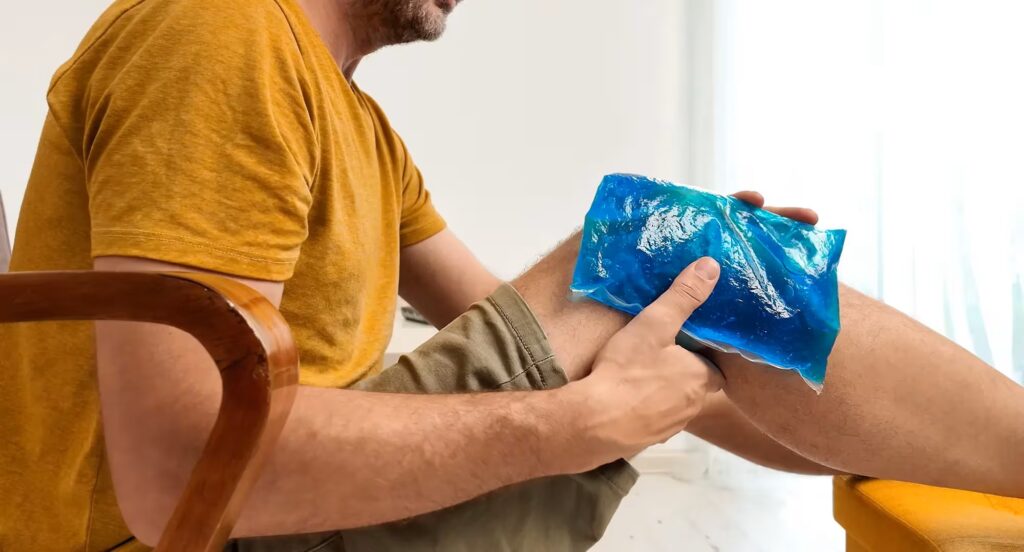
If signs of compromised circulation or skin damage appear, discontinue the use of the thermal modality immediately.
Clinicians strictly advise against placing either heat or ice directly over open wounds to prevent further tissue damage.
Never use thermal treatments on numb skin. If you cannot feel the area, you won’t know if the temperature is burning your skin.
How to Stay Safe Using Ice and Heat
Use a cold barrier: Always put a shield between the ice and your skin. A sheet or pillowcase works well.
Layer up for heat: Place at least 1 layer over the heat. A thick towel helps heat escape safely. This stops painful burns.
Check your feelings: Never use temperature therapy on a numb spot.
Protect weak veins: Do not apply ice if you have vascular issues. Conditions like Raynaud’s disease make ice unsafe.
Cover open sores: Keep ice and heat far away from open wounds.

Want a deeper dive into these safety guidelines and time limits? Check out this YouTube video from a physical therapist to learn more about which one to use!
Misconceptions About Ice, Heat, and Healing
R.I.C.E. is the gold standard.
- Reality: The R.I.C.E. method is outdated; experts now encourage managing soft tissue injuries using the PEACE and LOVE acronyms, which completely omit the use of heat and ice to allow natural healing.
Ice accelerates healing by stopping inflammation.
- Reality: Applying ice decreases inflammation, which subsequently restricts the transport of crucial inflammatory chemicals and neutrophils, ultimately delaying the overall healing process. Inflammation is a helpful and necessary component of natural tissue recovery.
Complete rest is necessary for a muscle injury.
- Reality: Long periods of rest are no longer advised because muscle contraction acts as a propulsionary force for the lymphatic system to drain accumulated metabolic waste.
Cold plunges repair workout injuries.
- Reality: Cold plunging does not positively change the trajectory of inflammatory repair and can impair the body’s natural ability to heal. It only temporarily decreases pain by triggering a threat response that releases opioid-like chemicals in the body.
A hot pack is a great way to warm up for a workout.
- Reality: Applying a hot pack or doing static stretching before a workout provides little benefit. Dynamic warm-ups (like jumping jacks or push-ups) are far more effective at increasing body temperature and preparing tissues for physical activity.
Frequently Asked Questions
Is the R.I.C.E. protocol still recommended by experts?
No. Experts now recommend the PEACE (protection, elevation, avoid anti-inflammatories, compression, education) and LOVE (love, optimism, vascularization, exercise) protocols, focusing entirely on letting the body’s natural systems work.
Which is better for immediate muscle soreness: ice or heat?
Hot packs have been identified as the most effective intervention for relieving pain within the first 48 hours following exercise.
Can I put an ice pack directly on my skin?
No. To prevent tissue damage, you must always place a protective barrier, such as a sheet or pillowcase, between the ice and your skin.
Will taking anti-inflammatory medications help my muscle injury heal faster?
No. Recent research indicates that protocols advocating for the use of anti-inflammatory medications may actually do more harm than good by interfering with the body’s necessary tissue recovery process.