
Helping Combat Bell’s Palsy: Exercises and Strategies for Facial Recovery
What is Bell’s Palsy?
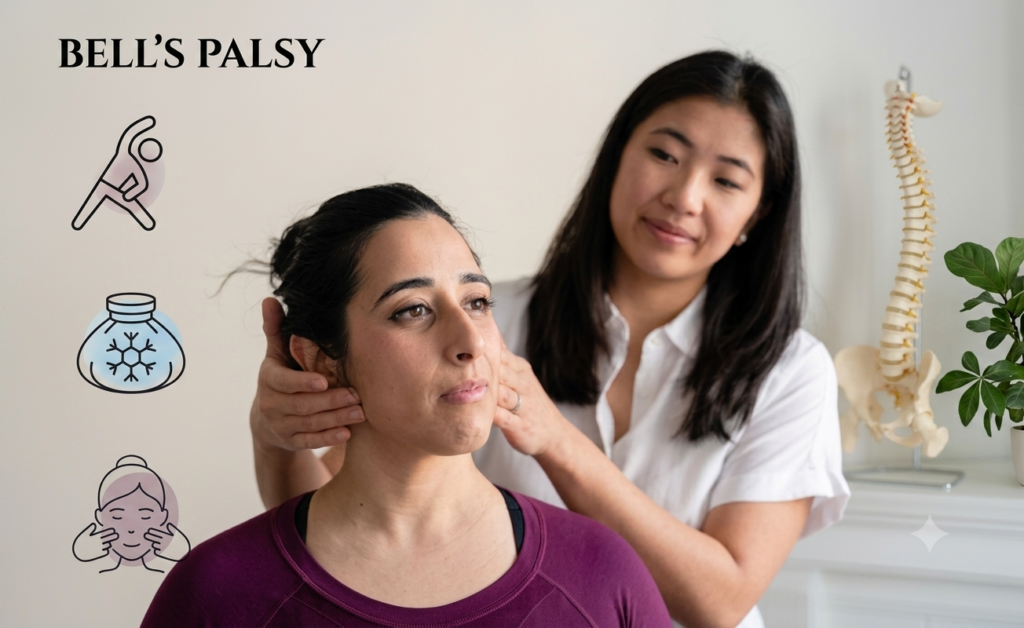
Bell’s Palsy is a neurological condition that causes a sudden, temporary weakness or paralysis of the muscles on one side of the face.
Although the symptoms can be frightening, most people make a full recovery within a few months. Consequently, a key part of this quick recovery is through performing facial exercises, which can help improve the muscles’ function, coordination, and overall movement.
How Can Bell’s Palsy Develop?
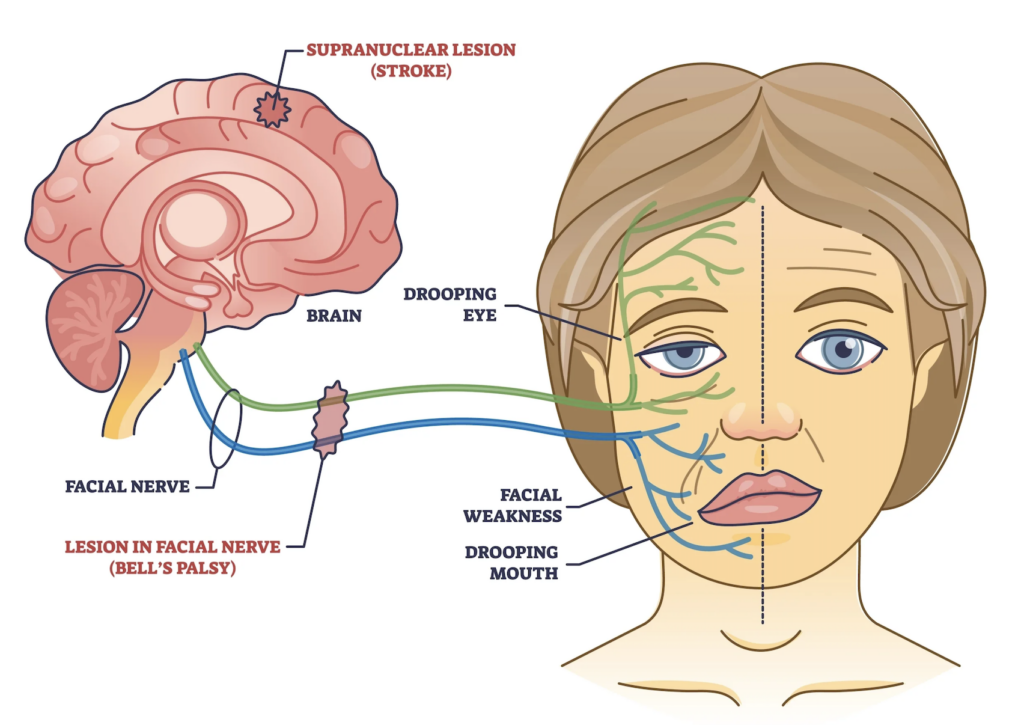
Bell’s Palsy occurs when the seventh cranial facial nerve becomes inflamed or swollen, usually due to viral infections. This inflammation can impact the nerve’s ability to control the muscles in the face, resulting in temporary facial weakness.
Several underlying health conditions may increase the risk of catching viral infections and developing Bell’s Palsy. Factors could be:
- Chronic/high stress levels
- Diabetes
- Pregnancy (and post-partum)
- Autoimmune disease
These health conditions can weaken the immune system, making it harder for the body to fight off infections, and leading to an increased risk of Bell’s Palsy.
What exercises/techniques are best for improving muscle function in the face?
Exercises and other techniques can help to promote the brain-to-nerve communication in the facial muscles. Furthermore, it can improve the muscles’ overall function and movements. Some recommended exercises and techniques for Bell’s Palsy recovery are as follows:
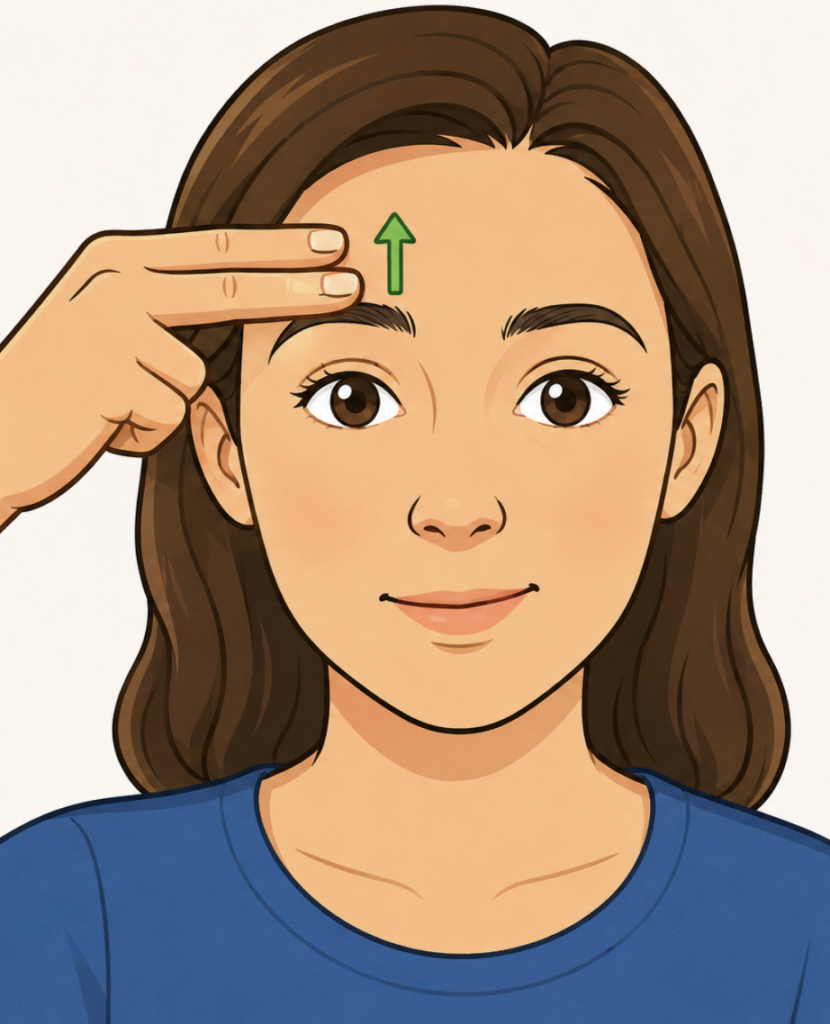
Eyebrow Lift: Using your fingers (if needed) on the affected side, gently lift your eyebrows upwards and hold them up for a few seconds before gently moving them back down again.
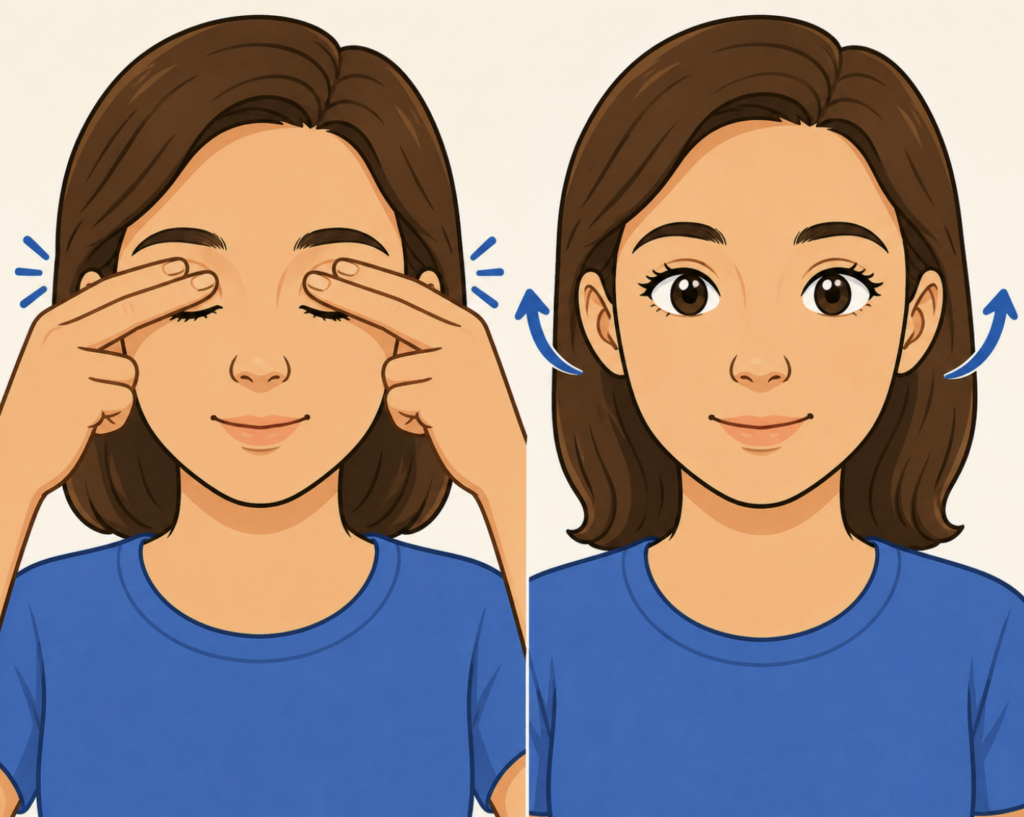
Eye squeeze: Again using your fingers to assist with full closure if needed, gently close your eyes and squeeze them tightly for a few seconds before gently opening them again.
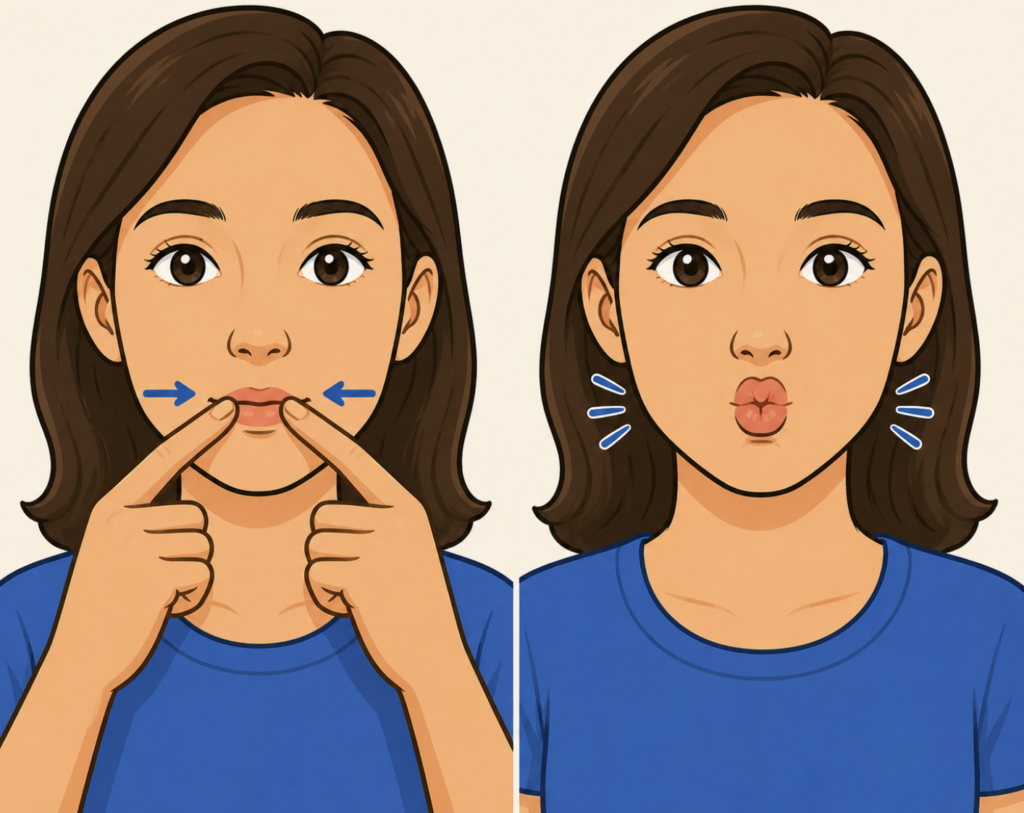
Lip Pucker: Push your lips gently together with your fingers if needed, pucker your lips forward as if giving a kiss or making a duck face, and then gently release them.
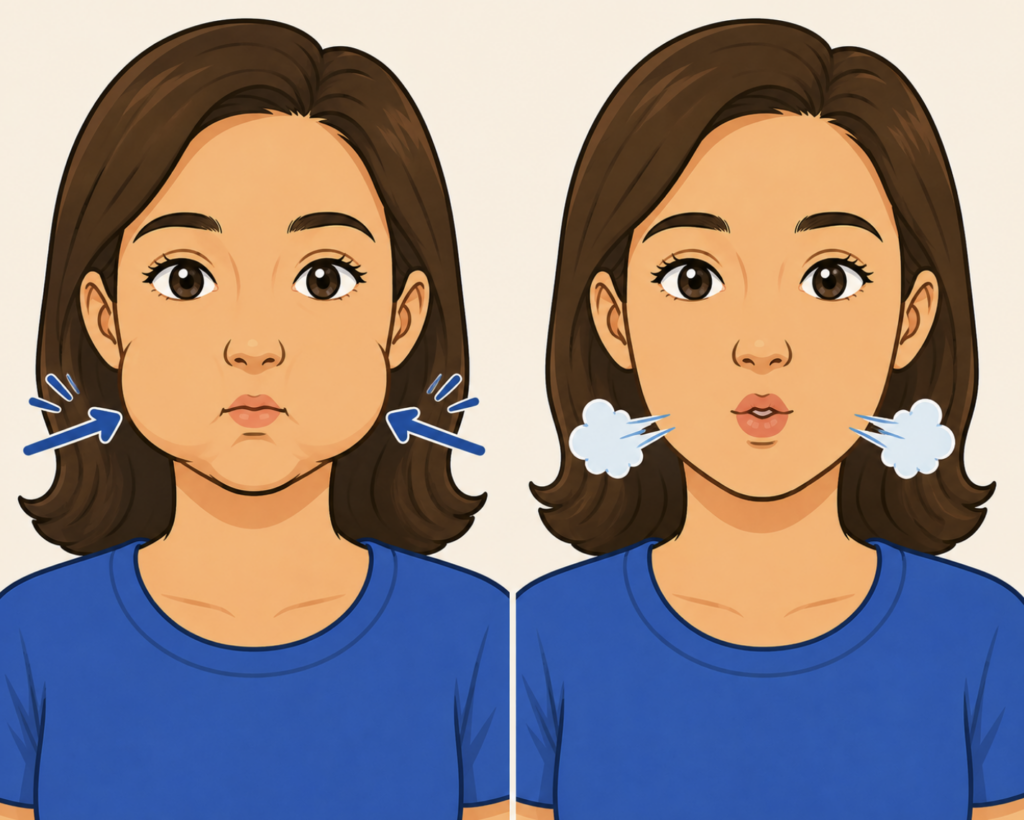
Cheek Puff: Engage your cheek muscles by blowing air into them and then hold it for a few seconds before gently releasing the air.
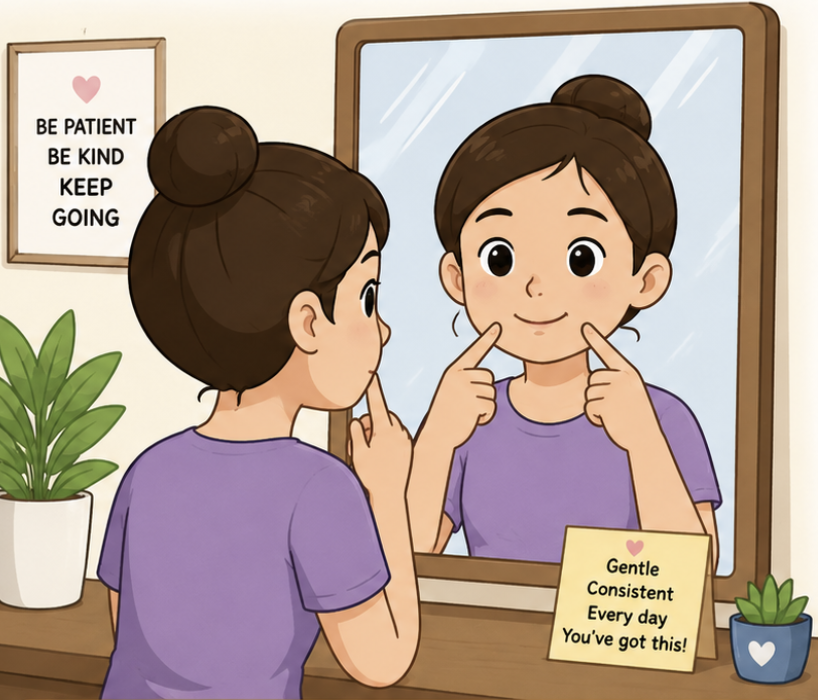
Mirror exercises: Practice some of the exercises in front of a mirror so you can actively watch the movement of the muscles engage and work on the controlled and gentle movements.
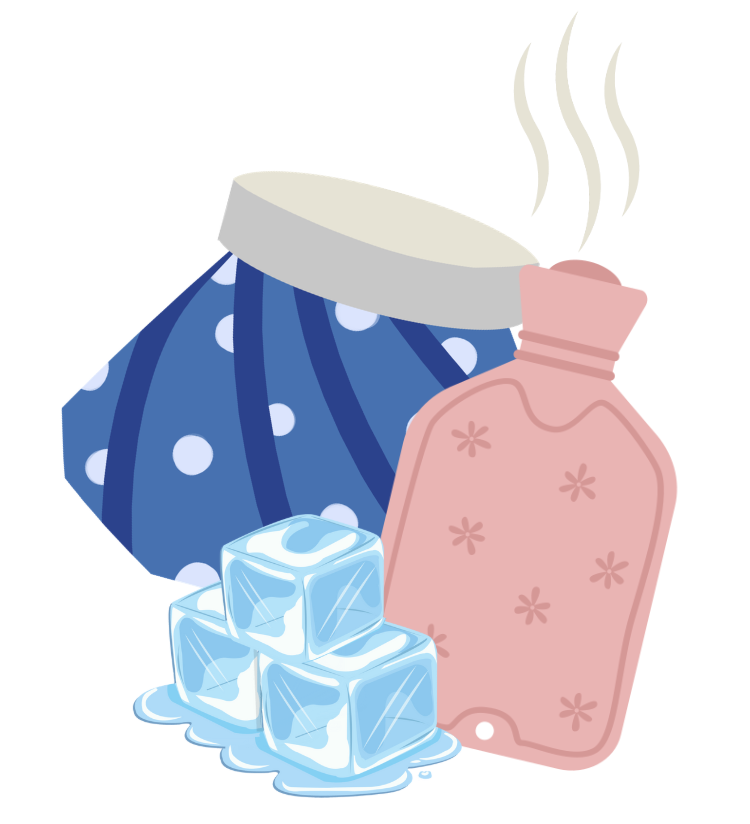
Heat/cold: Rotate the use of heat and cold packs on the face to help reduce swelling and discomfort, relax the facial muscles and improve circulation.
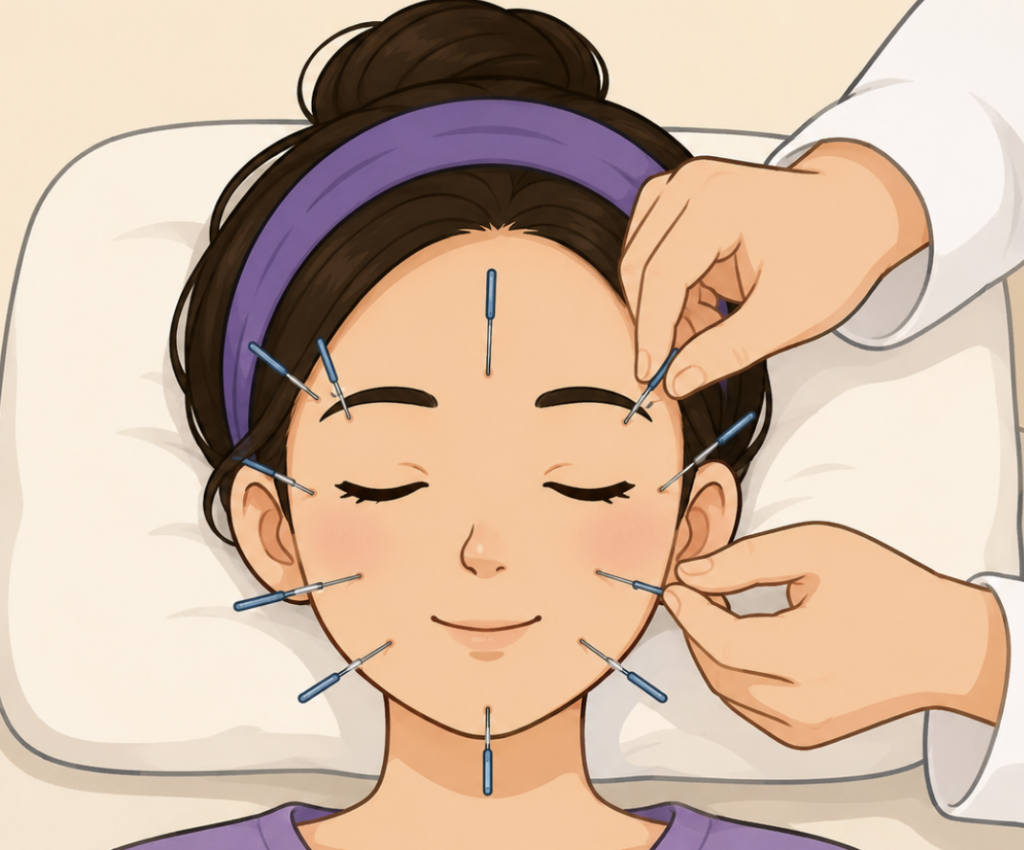
Acupuncture: Use acupuncture to help stimulate affected pathways and help promote healing (Caution: only to be done by a professional)
What exercises/techniques should you avoid?
- Forcing strong facial movements and stretches
- Electrical stimulation unless specifically recommended
- Chewing gum/excessive chewing exercises
Commonly asked questions:
Feel free to contact us if you have any questions or would like to book an appointment!
