
Dry Needling vs. Acupuncture: Understanding the Differences
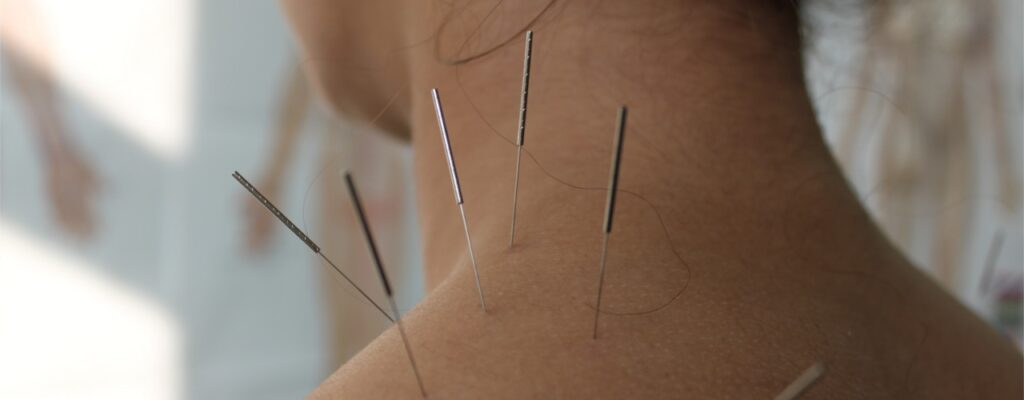
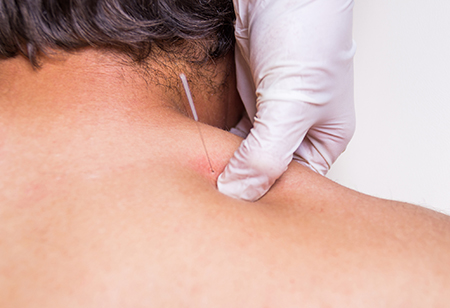
Physiotherapists around the world have been adopting a new treatment to increase muscle recovery. You may have heard of acupuncture, but have you ever heard of dry needling?
Similar to acupuncture, dry needling treats many different conditions such as muscle and joint pain leading to an increased recovery time. Dry needling is a fairly new to the treatment world, but it has been working wonders!
What is dry needling?
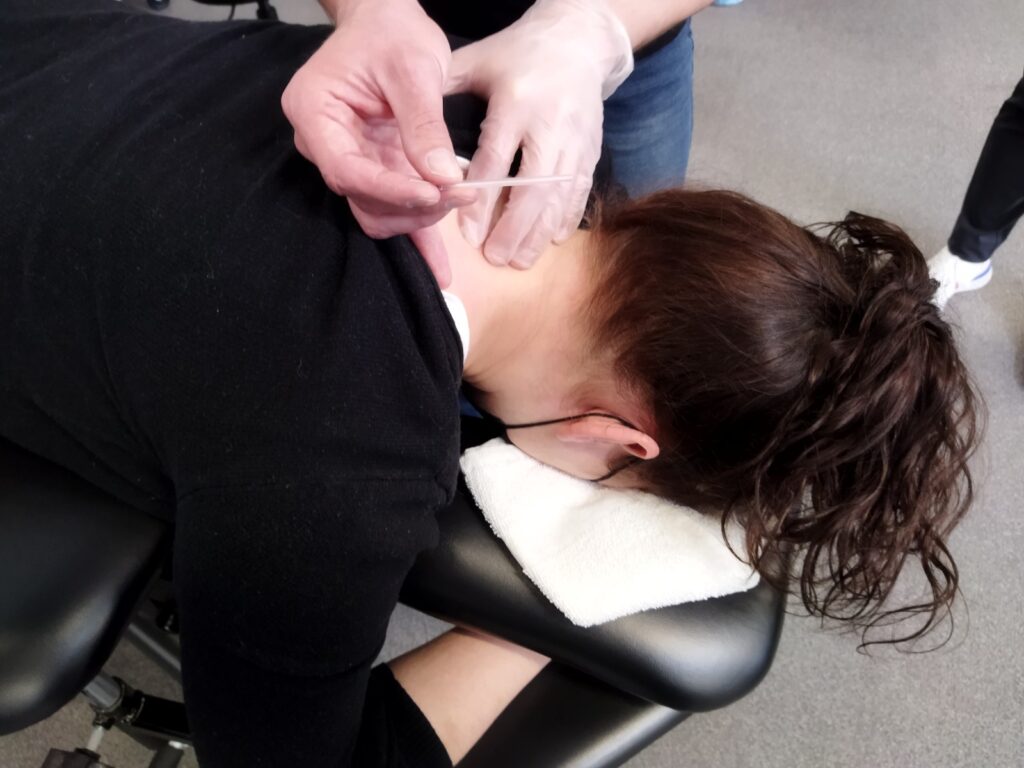
Dry needling may seem scary at first, however it is much less intimidating than it sounds. Dry needing involves inserting a thin needle into the muscle targeting a trigger point. Trigger points are tight areas of the muscle that can refer pain to a larger area of the body. The needle will elicit a muscle spasm called a twitch response. This response will cause the muscle to quickly contract then relax allowing further relaxation of tight muscles. Dry needling can help improve blood flow and relax the muscle leading to improved recovery and decrease pain.
Two Common Techniques Used in Dry Needling
Superficial Dry Needling: Involves the needle penetrates to the bottom of the layer of the skin right above the muscle trigger points. Superficial dry needling treats referred pain from the muscle trigger points.
Deep Dry Needling: Involves the needle penetrating the skin AND through the muscle hitting those trigger points. Deep dry needling focuses on releasing the trigger point in the muscle resulting in decreased pain.
What Can Dry Needling Treat?
- Carpal Tunnel Syndrome
- Joint pain
- TMJ
- Back Pain
- Migraines/Tension Headaches
- Myofascial pain
- Muscle pain and weakness
- Sport Injuries
What is Acupuncture?
Acupuncture is traditional Chinese medicine that has been trusted by many for thousands of years. Acupuncture focuses on restoring energy flow in the body allowing it to heal. Energy is believed to flow through your body via pathways called meridians. However when these meridians get blocked, they cause pain around the body. Acupuncture involves inserting needles in these pathways unblocking those meridians allowing the rebalance of energy in the body promoting better healing.
In regards to modern science, these meridians follow the same pathways of the nervous system in the human body. Science shows that inserting the needles into the nerves sends signals to the brain about what needs attention and healing.
What Can Acupuncture Treat?
- Menstrual Cramps
- Muscle Pain
- Insomnia
- Migraines
- Sciatica
- Digestive issues
- Arthritis
- Anxiety
What is the difference?
Although dry needling and acupuncture both involve inserting needles into the body to relive pain, they are both different in their own ways. While dry needling’s main focus is to reduce pain and improve mobility in the musculoskeletal system, Acupuncture can focuses on restoring energy balance and treating a broader range of systems/conditions.
Dry needling is a much less researched technique because it is fairly new to the treatment world. However, studies show that there is a decreases recovery time when dry needling is involved in treatment.
In conclusion, both treatment types are very beneficial in their own ways. Both dry needling and acupuncture have an overall pain relief effect and you can’t go wrong with either one. Be sure to talk to your clinician to see which is safe for you!
Frequently Asked Questions
Yes, when performed by a trained healthcare professional, dry needling is considered safe. Some minor side effects may include soreness or bruising.
The number of sessions can vary, typically ranging from a few sessions to several weeks, depending on the condition and individual response to treatment.
Insurance coverage varies by insurance provider and policy. It’s always best to check with your insurance company to see if Dry needling/Acupuncture is included in your plan.
Wear loose, comfortable clothing and avoid heavy meals, alcohol, or caffeine before your appointment. Arrive with a clear understanding of your health concerns.
Most people can resume normal activities after dry needling, but it’s common to feel some soreness in the treated area for a day or two. Light stretching and mobility exercises may help, but it’s generally recommended to avoid heavy exercise immediately after treatment to allow the muscles to recover.