
Balancing Act: Prevent Falls Through Physiotherapy

Prevent Falls Through Physiotherapy
Your loved one falls to the floor—what do you do next? Aside from the initial shock and attempt to help them get up, the consequences of falling can vary depending on the person and the severity of the fall. Even more importantly, a fall may hint to underlying conditions that can increase your chances of falling again. So, how do you prevent falls? Is there a way to prevent falls through Physiotherapy to live more stress-free?

We’ll get back to that question in a bit. In this post, you will learn about what puts someone at risk for falls, common consequences of falling, how to prevent falls through Physiotherapy, and Physiotherapy interventions for falls so that you and your loved ones can protect yourselves from serious injury.
Oh, and not to forget this BONUS: some of the exercises at the bottom of the post can be done right at home!
.
What Puts You At Risk For Falling?
According to the World Health Organization, falling is the second leading cause of unintentional injury deaths across the world. In Canada, unintentional falls is still the most common reason for injury and trauma emergency department visits. So, what is cause behind these falls?
Well, various factors affect your potential to fall and multiple causes can even overlap to increase your risk of falling. These causes include (and are not limited to):
MUSCULOSKELETAL AILMENTS
Affecting bones, skeletal muscles, joints, tendons, and ligaments
- Arthritis
- Weak muscles
- Stiff joints
- Knees that ‘give way’
- Physical decline caused by immobility
NEUROLOGICAL CONDITIONS
Conditions relating to the brain, spinal cord, and nerves
- Epilepsy
- Stroke
- Dementia
- Parkinson’s disease
ENVIRONMENTAL FACTORS
Any items or features in your day-to-day environment
- Slippery surfaces (e.g. loose rugs)
- Poor lighting
- Stairs
- Lack of grabbing bars
- Clutter
Now, while there are multiple causes for falling, there are also certain populations that are more vulnerable to falling than others. Take older adults for example. Older adults are at a higher risk of falling due to age-related changes in cognitive, physical, or sensory abilities and environmental factors that do not accommodate for older adults. In fact, more than 1 in 4 older adults fall each year; after one fall, the chance they fall again doubles.
With these facts in mind, there must be a way to prevent falls from happening and causing severe injury (hint: Physiotherapy might be just the solution!).

.
Common Consequences of Falling
Before we learn how to prevent falls through Physiotherapy, it may be useful to go through terminology on some of the common consequences that may occur after a person falls. Here are a few examples of serious fall-related injuries:
.
FRACTURES
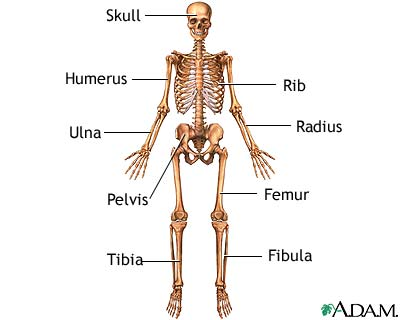
Fractures (or broken bones) are the most common significant injury after a fall for older adults. More specifically, fractures of the pelvis, hips, wrists, or humerus, are more common for older adults and can be caused by a combination of factors such as falls, osteoporosis, and more.
JOINT DISLOCATION
As the name suggests, joint dislocation occurs when a joint moves out of its original, usual place. If dislocated joints are not treated quickly, they can lead to damage of the nerves and blood vessels.
.
SPRAIN
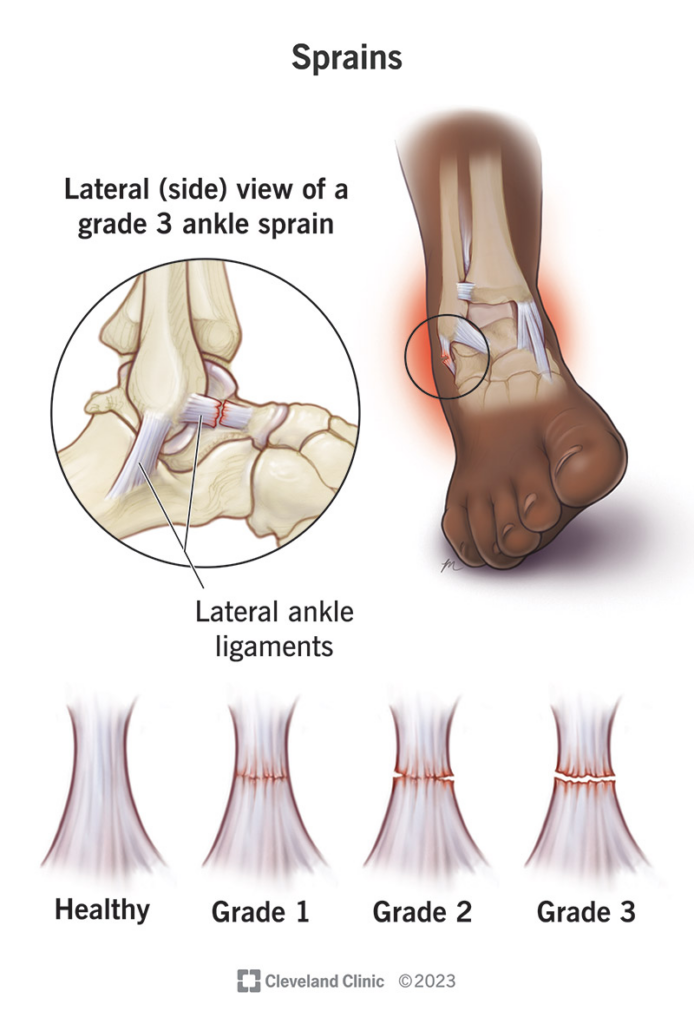
A sprain is a soft tissue injury that occurs when your ligaments are torn or stretched. If you think about it, ligaments are like ropes that hold your bones and muscles in place to prevent them from moving too far out. In the event of a fall, however, your joint may jolt too far and cause damage to your ligaments.
BRUISES
Bruises (or hematoma) are another serious injury caused by falls. If you have ever wondered why your skin turns red after you bruise, know that bruises are the result of blood pooling underneath your skin after you experience an injury.
SEVERE LACERATION
A laceration (or cut) is an irregular skin wound that is caused either by sharp objects or a blunt force. A severe laceration, which may occur when there is a deep tear in the skin and the tissues underneath, is often associated with pain and a lot of bleeding.
.
How To Prevent Falls Through Physiotherapy?
So, here’s the big question we’ve been waiting for: how do you actually prevent falls through Physiotherapy?
Through a series of steps, Physiotherapy can help you create a holistic picture that describes your risk of falling and offers you a unique plan of treatment that sets you on a path towards prevention or recovery. The steps are as follows:
1. HISTORY
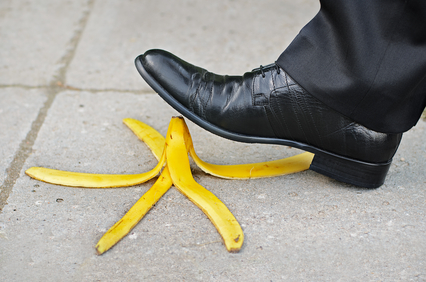
First, your clinician will gain a holistic understanding of your risk for falling by inquiring about your history. For example, questions can include:
- Have you recently had your first fall or had a few near misses of falling recently?
- Do you live in an environment with lots of slippery surfaces?
- Do you have arthritis?
Your history can help your clinician identify and tackle any risk factors or patterns that make you more vulnerable to falling.
.
2. PHYSICAL ASSESSMENT
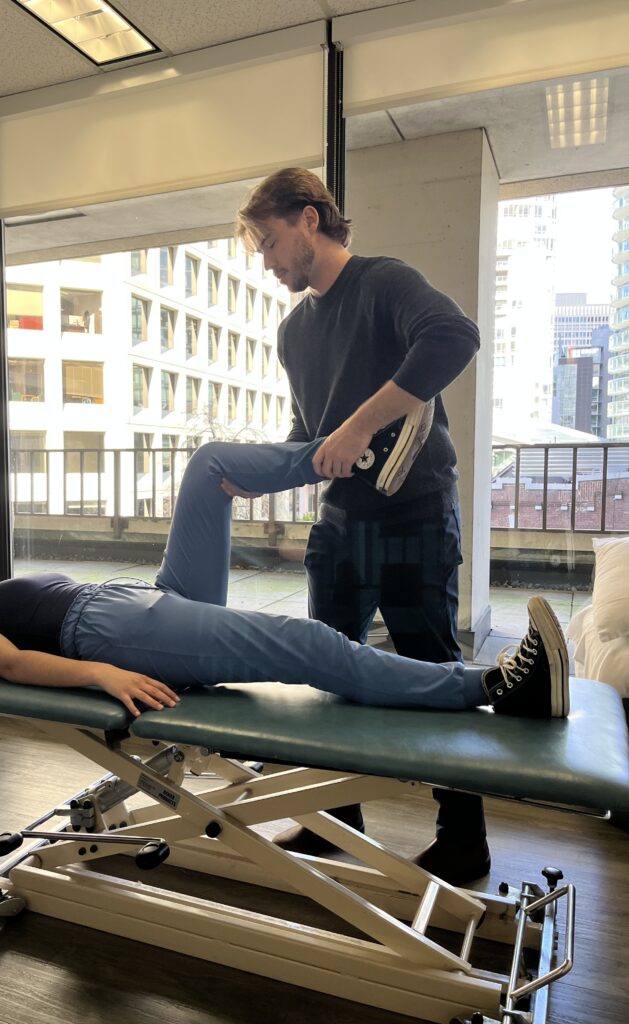
With a variety of assessment tools, your Physiotherapist will evaluate your muscle strength, balance, gait, and range of motion. Multi-factorial tools can also be used, one example being the Physiological Profile Assessment (PPA), to assess the risk of falling in an older adult. More specifically, the PPA measures contributions of your musculoskeletal, proprioceptive (i.e. the ability of your body to sense its movements and position), vestibular (i.e. offers information to body about your postural orientation), and visual systems to determine your risk of falling.
3. FUNCTIONAL ABILITY
Functional ability refers to an individual’s ability to go through daily activities based on their personal needs. To measure one’s functional ability, a Physiotherapist may ask questions about how one manages daily activities or observe demonstrations of daily activities such as walking and/or moving objects. Additionally, being afraid of falling may also be a factor that limits one’s functional ability.

4. PREVENT FALLS THROUGH PHYSIOTHERAPY
For older adults, there are 4 central Physiotherapy goals that have been identified to minimize the risk of falling. Scroll further to check them out!

4 GOALS TO PREVENT FALLS THROUGH PHYSIOTHERAPY
A. Practicing mobility, balance, and strength
Improving balance and strength have been found to be the most effective Physiotherapy intervention for preventing falls. With a Physiotherapist, you can explore the best exercises for your specific needs or goals. Then, based on your performance, your clinician may increase the difficulty level of the exercises as you become stronger.
B. How to cope with falls (and a long lie)
What do you do after a fall? With Physiotherapy, you can learn about coping with falls and how to minimize the consequences of laying down for a long period of time (i.e. a long lie). You can also learn how to stay warm on the ground, call for help, and work towards helping yourself up.
C. Ensure your living environment is safe
Avoiding slippery rugs and fixing poor lighting can help improve the safety of your living environment and protect you or your loved ones from falling.
D. Restore confidence and quality of life
You should not have to live in fear due to your risk of falling. By working with a Physiotherapist to prevent falls, you can regain your confidence in your balance and live a more stress-free life.
.
Physiotherapy Interventions to Prevent Falls
As promised, here are some evidence-based physiotherapy programs or exercises that you can do right at home to improve your balance, strength, or mobility and prevent falls through Physiotherapy!
.
DISCLAIMER: EXERCISES SHOULD FEEL CHALLENGING BUT MAKE SURE YOU ARE SAFE. HAVE SOMETHING IN FRONT OF OR BEHIND YOU SO THAT YOU ARE NOT AT RISK OF FALLING OR EXPERIENCING INJURY
.
.
1. Otago Exercise Program
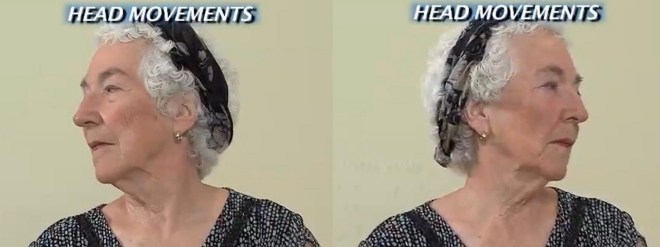
The Otago Exercise Program is a sequence of 17 balance and strength exercises that aim to reduce the risk of falls in older patients. Studies have shown that patients that go through the OEP have a 35-40% falls reduction.
.
2. Backward-chaining
.
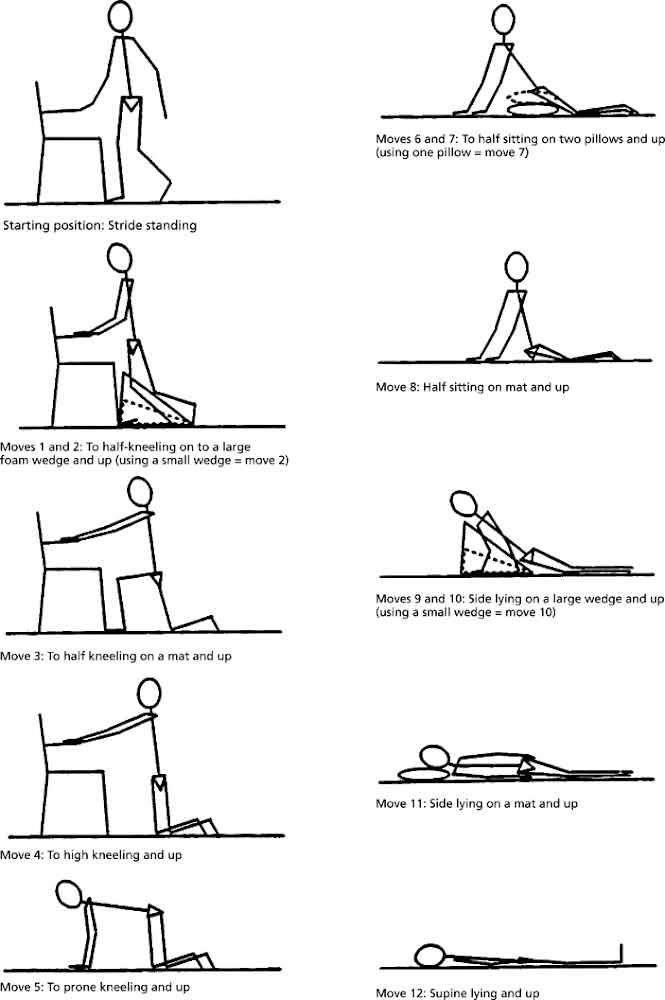
Put simply, backward-chaining is breaking a task into smaller, more manageable steps by starting with the last step and working your way up to the first step. In terms of falls prevention and recovery, backward-chaining would mean that you start on the ground and work your way to standing back up by yourself.
Here are steps that you can follow for backward-chaining for falls:
- Stand up
- Half-kneel using a chair or large wedge
- Place one knee on ground
- Place other knee on ground
- Place hands on ground in an all-fours position
- Gently lower yourself to lay down on your side (use a pillow to support your head)
- Shift to laying down on your back
- Do the above steps in reverse on your own to attempt to get up
.
3. Tai Chi
Tai Chi is a type of exercise that involves shifting one’s center of gravity, particularly through semi-squatting positions. Through regular practice of tai chi, you can strengthen lower body muscles to increase your coordination and ultimately prevent falls through Physiotherapy. In fact, studies have shown that tai chi is effective at boosting balancing abilities in older adults and for preventing falls.
Follow along with the video below to try some tai chi stretches for yourself!
.
How We Can Help Prevent Falls Through Physiotherapy
Many qualified physiotherapists at West End Physiotherapy can help you on your path to either falls prevention or recovering from injuries caused by falls. But don’t just take it from us! Here’s what patients have said:
.
“I found the clinic and personnel to be very professional, very thorough and they show how much they really care about my health by asking the right questions and allowing short discussions
I love the personalized approach to the treatments and the lack of up selling their services, offering just what is needed to reach my recovery goals
I highly recommend this team to anyone who is serious about their health and welfare.”
— S. Fournier
“West End’s team was very helpful and welcoming. The facility is clean and full of equipment to assist your rehab. Thank you for helping me get back to 100%!“
— F. Lawlor
“…The entire team at West End Physio is outstanding—always attentive, compassionate, and truly holistic in their approach. They go above and beyond, offering personalized treatment plans along with helpful exercises and tips to support long-term wellness!“
— C. Dalida
.
If you are interested in getting a professional to assess your specific falls risk and/or fall-related injuries, you can book an appointment with one of our clinicians using the link below!
.
FAQs
.
TLDR: How do I actually prevent falls through Physiotherapy?
Through Physiotherapy, you will engage in mobility, balance, and strength exercises, be guided on the best next steps after you have fallen, make modifications to your living environment to be more fall-safe, and ultimately restore your confidence and quality of life.
Do I need Physiotherapy for falls?
If you have fall-related injuries or are looking for ways to minimize your risk of falling, a Physiotherapist can help you understand your injury or unique falls risk and guide you through an individualized plan of care (i.e. treatment) that is tailored to your specific needs and goals.
I’m still not sure if Physiotherapy is right for me…
Physiotherapy works best when you determine who is a right fit for you. If you have doubts or are unsure about the process of Physiotherapy, you can book a free Discovery Visit to come in and chat with a Physiotherapist about your concerns to get a better understanding of what works best for you. Call our clinic to request one!