
Exercise: How Can Physiotherapy Improve Your Routine

Physiotherapy can help with all forms of exercise
Whether you are someone who exercises for strength, stamina, functionality or general fitness, if these movements are not done with the proper form they can lead to injury, pain or muscle imbalances. Physiotherapy is a great outlet to help combat these inconveniences and inform gym goers about strategies on how to prevent and/or manage pain. In this guide on how to incorporate physiotherapy into your exercise routine you will find many reasons how our trained physiotherapists can help you to feel your best in the gym and stay active.
Why is proper form important when exercising
- Prevent injuries
- When exercising, you are putting your muscles and other musculoskeletal structures under physical stress to help them develop. When using improper form your body segments are not optimally aligned and this may lead to unnecessary stress on other structures such as your joints and tendons. When stress is placed on these structures in awkward directions it can lead to injuries such as: low back pain, strains, muscle tears, impingements, ankle sprains, and more.
- Target the proper muscles
- Utilizing proper form helps ensure we are targeting the correct muscles during our workout. Each muscle has its respective planes of motion that it moves through. When exercising we want our movements to remain in said planes of motion to help isolate the desired muscle(s). If out of plane, it will slow down your progress, OR enable compensation of other muscles.
- Prevent muscular imbalances
- Muscular imbalances occur when opposing muscle groups or sides of the body are stronger than the other. They can occur due to improper exercise form and should be attended to right away. Muscular imbalances can cause our bodies to adjust their neutral position when not in use. This can lead to improper posture and cause unnecessary stress on our joints and tendons.
Check out this blog post that discusses some additional benefits of utilizing proper form when working out.
How physiotherapy can help you feel better in the gym.
Many people instantly think of physiotherapy as a resource for treating injuries. However, it can be used in many additional ways. The following sections of this blog will go over some very common reasons for seeking out physiotherapy to feel better during exercise and keep you active longer.
Warm up/exercise preparation 
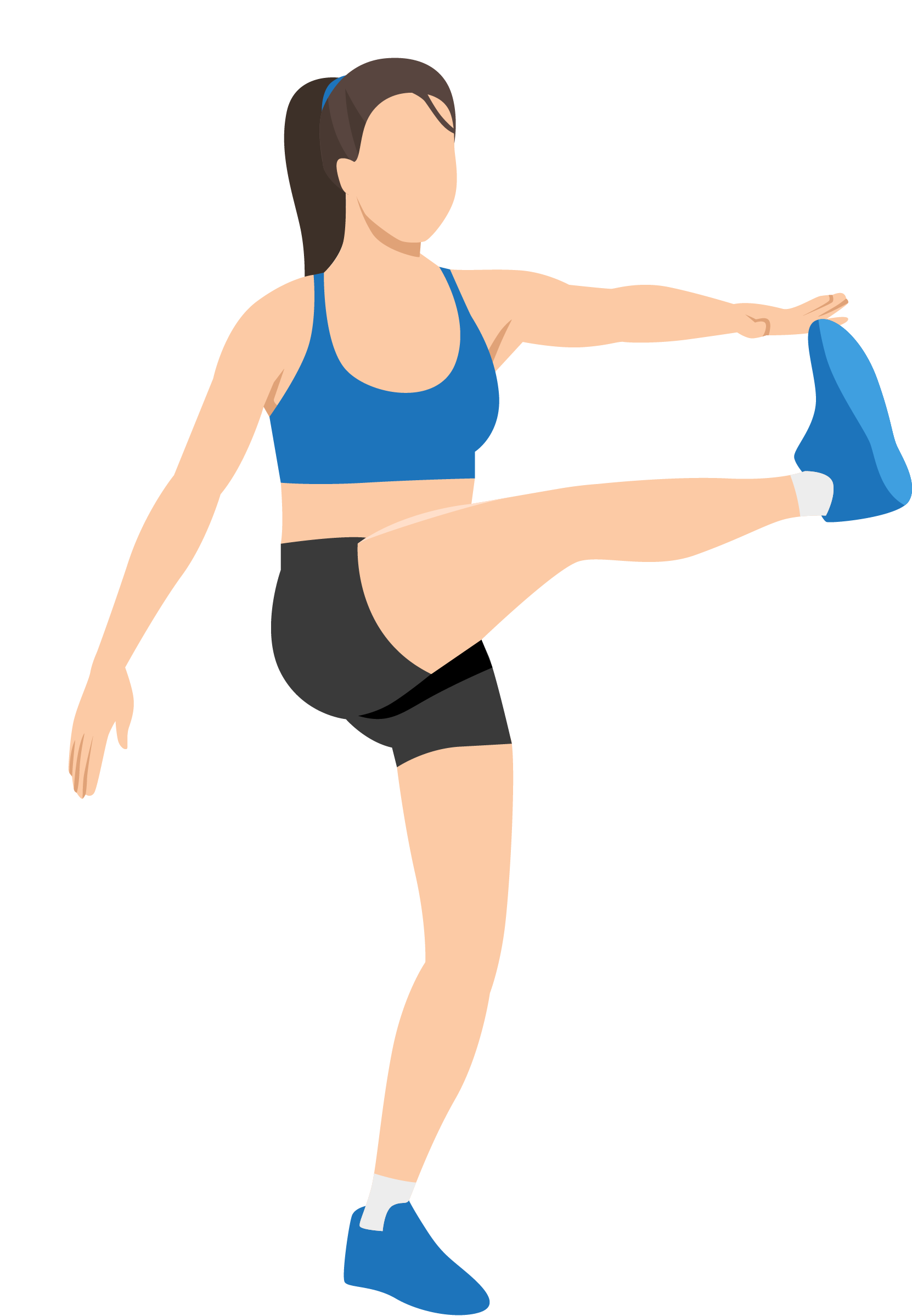
Warming up is a very important and often overlooked task to feeling better during your workouts. A proper warmup prior to exercise helps prepare our bodies for physical activity by increasing blood flow to our muscles and also reduces the risk of injury. Physiotherapy can help provide you with a well structured warm up routine specific to your workouts. This could include things like dynamic stretches, activation exercises and joint mobilizations.
Rehabilitation & Recovery 
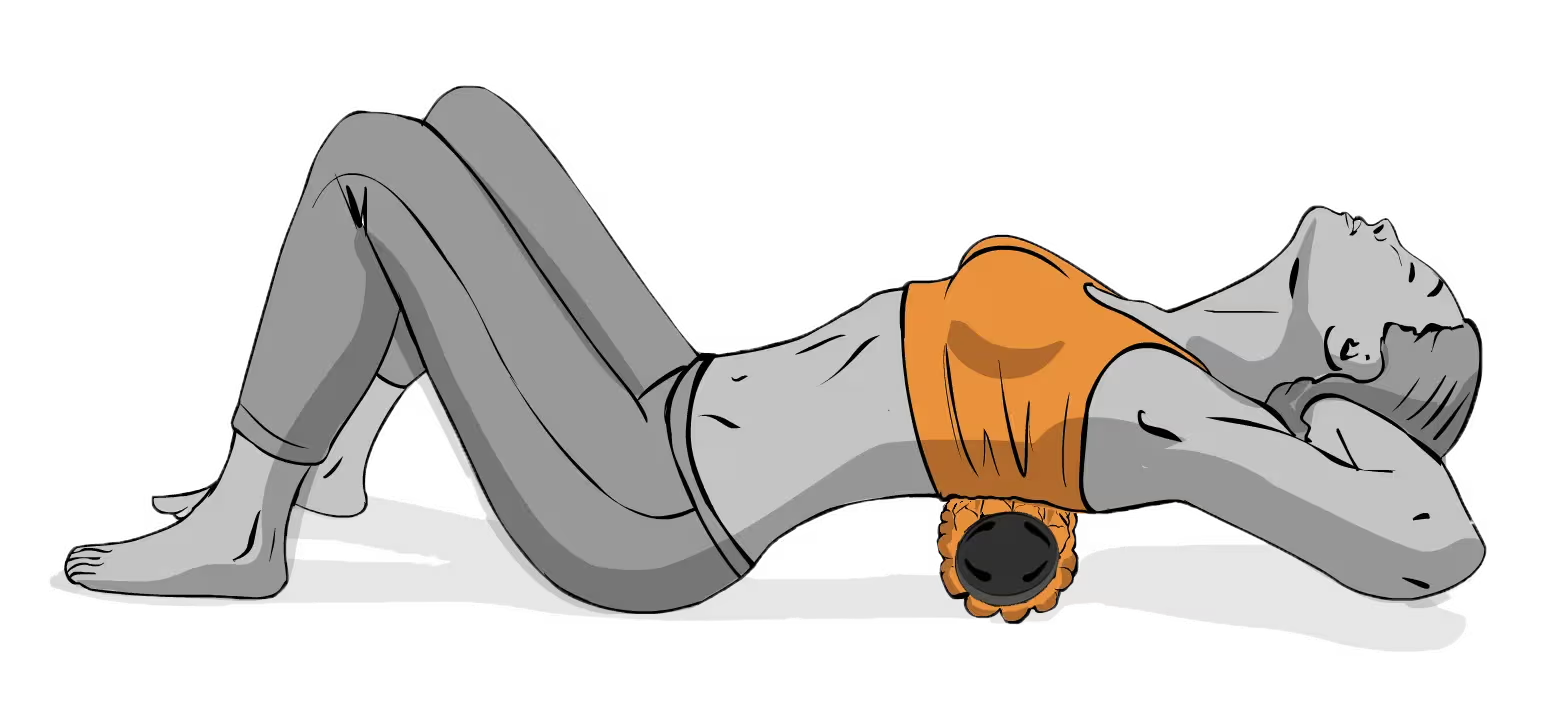
Rehabilitation/Recovery after a workout is equally as important as a warm up. Recovery directly after a workout like some static stretching or active recovery like a walk or swim is a great way to conclude a workout. These strategies help promote blood flow to support the removal of any waste products created from the break down of soft tissue. However, beyond a typical cooldown routine, physiotherapy can provide further remedies to help you recover and feel your best. Your physiotherapist can provide you with manual therapies such as soft tissue release, acupuncture, dry needling and much more.
Improve Mobility 
Mobility is defined as the ability to move freely through a wide range of motions. Having good mobility provides numerous benefits when it comes to exercise. Some of these benefits include having better range of motion, improved performance in other movements/activities as well as reduction of the risk for injury. Physiotherapy is great resource for developing a mobility routine. Your routine will help you see improvements in the way you move and feel during these movements. Check out the video below that highlights the benefits of stretching and some of the functional changes that comes along with it:
Correct Muscle Imbalances 

As mention earlier in this post, muscle imbalances are when one side of a joint is stronger than another. They can cause our bodies to stray from our neutral position. In return, this puts unnecessary stress on the over-compensated muscles as well as our joints and tendons. Muscular imbalances are very common cases in orthopedic physiotherapy. Many times patients have no idea these imbalances exists and could be the root of their pain. Physiotherapy can help you single out any imbalances you may have and provide you with a recovery plan to fix them.
Could your exercise routine benefit from physio?
At West End Physiotherapy we have a very experienced team that are well equipped to help you throughout your fitness journey. Our physiotherapist can help you feel your best in the gym and prevent any avoidable injuries.
If you feel that any of the issues listed in this post apply to you, or maybe you are not sure and would like to find out, feel free to book an initial assessment with by clicking the link below.
FAQ Regarding Exercise
Is stretching before a workout bad for you?
Stretching before a workout is not bad, however, it is recommended that dynamic stretches are performed rather than static. Dynamic stretching is a movement-based type of stretching that takes our muscles through their full range of motion without holding them at their end range for an extended period like you would in static stretching. Dynamic stretches can help increase blood flow to our muscles and help increase their short term flexibility prior to a workout.
If I do not feel sore after a workout does that mean it was insufficient?
Not at all! The soreness many people refer to is what’s called delayed-onset muscle soreness. DOMS occurs after high intensity exercise that our muscles are not accustomed to. With training, the body will adapt to the exercise and its ability to perform said activity without the pain from muscle soreness. Therefore, even though we may not be getting as sore, it does not make the workout any less effective.