
Hike Strong: 5 Exercises to Get You Trail-Ready
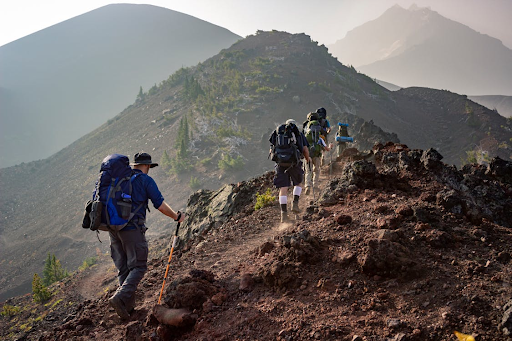
Hiking is more than just a walk in the woods, it is a full body workout. Steep climbs and long hours on the trail can take a toll on you, especially on the knees and hips. Fortunately, with the right exercises, you can build strength, stability, and endurance to hike stronger and safer.
Whether you are a hiking trailblazer or just starting out, here are 5 exercises to include in your weekly routine.
Understanding Hiking-Specific Demands
Hiking challenges your body in 2 different ways:
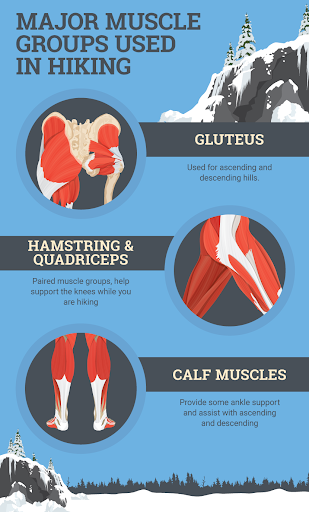
1. Hiking uphill:
- When moving upwards, your muscles are working concentrically–the muscles are shortening to produce movement.
- Major players: glutes, quadriceps (quads), hamstrings, and calves.
2. Hiking downhill:
- When moving downwards, your body requires more eccentric contractions–the muscles are lengthening under tension to control movement.
- Major players: glutes and quads.
Some common issues hikers face include:
- Joint stiffness, especially in knees and hips.
- Reduced muscle mass leading to fatigue.
- Decreased balance and proprioception (knowing where your body is) when hiking, which can increase the risk of falls.
5 Key Exercises to Prep Your Next Hike
Strengthening key muscle groups now can make your next adventure smoother and more enjoyable. Try these 5 exercises put together by our sister clinic, SOS physiotherapy to build the endurance, stability, and strength you’ll need for your next hike:
1. Walking Lunges
Target: Quadriceps
Benefit: Lunges work the front of your thighs and help support your knees by strengthening the muscles and tendons around them. This makes it easier and safer to go up and down steep hiking trails.
2. Step Ups
Target: Quadriceps
Benefit: Builds leg strength and stability for stepping over rocks, roots, and trail obstacles. This exercise mimics the kind of movement you do on a hike. It strengthens your thighs and supports the knee, which is key for managing hills and uneven terrain.
3. Glute Bridges
Target: Gluteus maximus and medius
Benefit: Boosts hip strength and balance, which helps reduce stress on the knees. Strong glutes keep your hips steady and take pressure off your knees. This is especially helpful when you’re on uneven ground or carrying a backpack during your hike.
4. Hip Clock
Target: Gluteus medius, deep hip stabilizers, and quadriceps
Benefit: Improves hip control and balance, which helps protect your knees on tricky trails. By focusing on one leg at a time, this movement builds the smaller muscles that keep your hips and knees stable, reducing the chance of falls or strain.
5. Butterfly Hip Rotations
Target: Hip adductors and flexors
Benefit: Stretching and loosening tight hip muscles is important (especially when you’re carrying weight). This exercise increases hip flexibility, making it easier to hike with a backpack without overworking your hips.
Takeaway
Don’t let aches or fatigue hold you back on your next adventure. By training your body with these targeted moves, you’ll not only hike longer and safer but also enjoy the journey more!
Need help building your personalized hiking prep plan?
Book a session with West End Physiotherapy today – we specialize in helping people of all abilities get trail-ready. Whether you are a seasoned hiker or new to the trails, West End Physiotherapy can provide expert guidance to help you prepare safely and effectively for your next hike.
FAQs
How often should I do these exercises?
2–3 times a week is a great starting point, especially leading up to a hike.
How long before my hike should I start training?
Ideally, begin 4–6 weeks ahead of a big hike to build strength and endurance gradually.
Do I need any equipment?
Most of these exercises use just your body weight. A step or low bench can help with step-ups!
Can these exercises help prevent knee pain while hiking?
Yes! Strengthening muscles around the knees (especially the quads and glutes) helps reduce joint strain.