
Bouldering 101: How Physiotherapy Can Manage and Prevent Injuries
🧗♂️Bouldering and Rock Climbing Injuries: How Physiotherapy Can Educate and Help.
💡Rock climbing and bouldering are super fun summer activities, but repetitive strain and injury can quickly turn passion into frustration. In this blog, we’ll learn about when you should be concerned about a bouldering injury, and how to get that joy back!
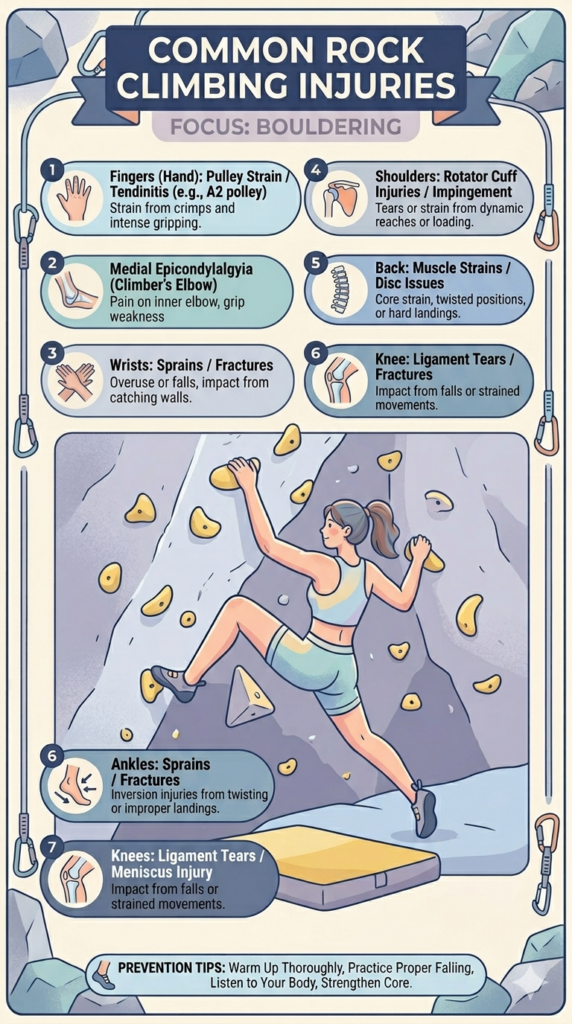
🧗♂️When it comes to bouldering injuries, there are several injuries that are more common than others. Injuries in the fingers tend to be the most common, specifically, pulley injuries.
🖐 Finger Pulley Injuries
- One of the most common bouldering injuries.
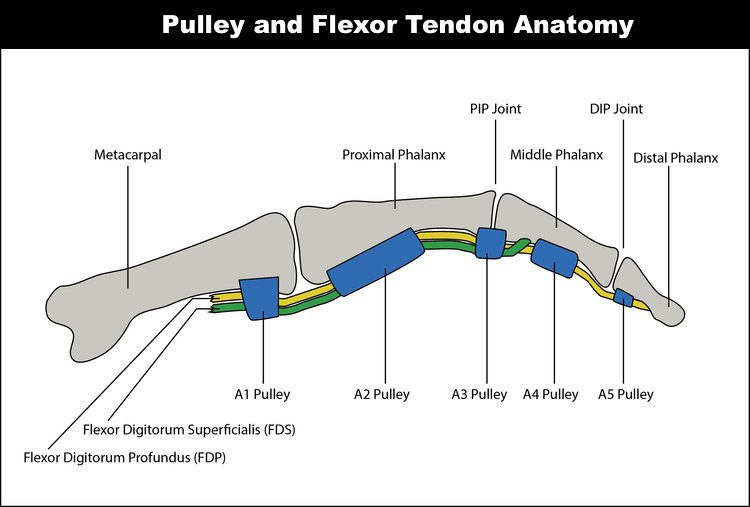
- Finger pulleys are strong bands of tissue that hold the tendons close to the bone.
- High finger loads while climbing can tear a pulley, causing the tendon to pull away from the bone.
⚠️Common symptoms:
- Pain
- Swelling
- Weakened grip strength
- Visible deformity (in more severe cases)
Visualisation of the flexor pulleys in the fingers.
🧠 Note how the pulleys (blue) are holding the flexor tendons (yellow and green) in place!
Another common bouldering injury that can occur is…
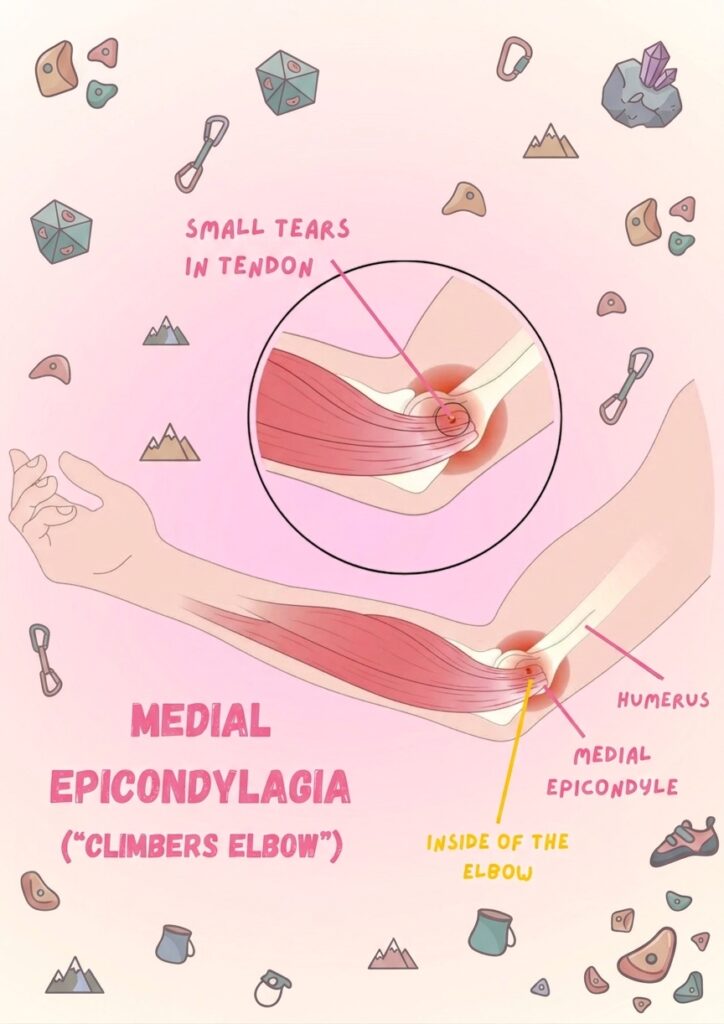
🦾 Medial Epicondylalgia (“Climber’s Elbow”)
- Another common overuse injury in climbers
- Happens as a result of the forearm flexor muscles (used for gripping) are overworked and take on excessive load.
- Repeated strain can consequently cause small tears and degenerative changes in the tendons.
⚠️Common symptoms:
- Grip weakness
- Pain on the inside of the elbow
- Tenderness around the elbow
Other Types of Injuries:
💡Fingers and wrists are not the only parts of the body that can experience bouldering injuries! Because bouldering is a sport that engages the whole body, other bouldering injuries include…
- Mallet Finger
- Ligament sprains
- Foot Fractures
- Meniscus tears
- Shoulder subluxations/dislocations
- Tendonitis
This list may seem overwhelming, however, these bouldering injuries are not as common and can be avoided through education!
⭐️First, let’s understand the “why” of bouldering injuries! Many of these injuries occur because of…
Excessive Load
🏋️The joints and soft tissue structures are being placed under excessive load. Accordingly, over a long period of time, this can lead to an accumulation of stress. Injuries that are caused by overuse and repetitive strain include:
- Tendon/pulley tears
- Labrum tears
- Tendonitis, or;
- Shoulder sprains →
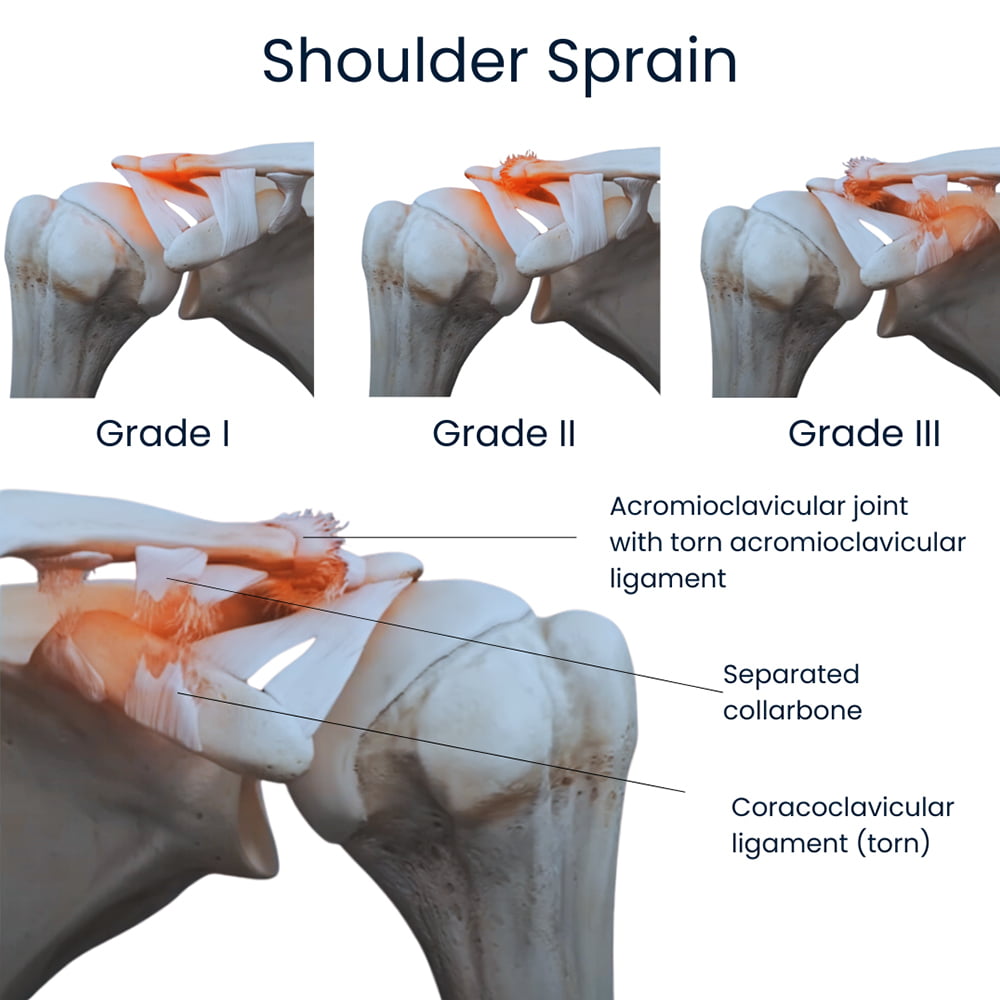
Acute/Traumatic Injuries
🧗♂️Bouldering injuries that occur after one event, such as landing awkwardly after a fall, are less common, but are still important to recognise and understand. These injuries could include:
- Shoulder subluxations
- Rotator cuff tears
- ACL sprains, or;
- Fractures
Scroll down to see a summary of bouldering injuries that can occur
💡There will also be information on how to help manage the injury!
Below are some possible bouldering injuries:
| Injury | What is it? | Cause of Injury | Recovery Timeline |
|---|---|---|---|
| Pulley Injury | Tear or rupture of the band-like tissue that holds the tendons in your fingers against the bone | Putting excessive or unexpected load on the tissue (i.e. if your foot slips) causing a tear | 6-8 weeks |
| Mallet Finger | 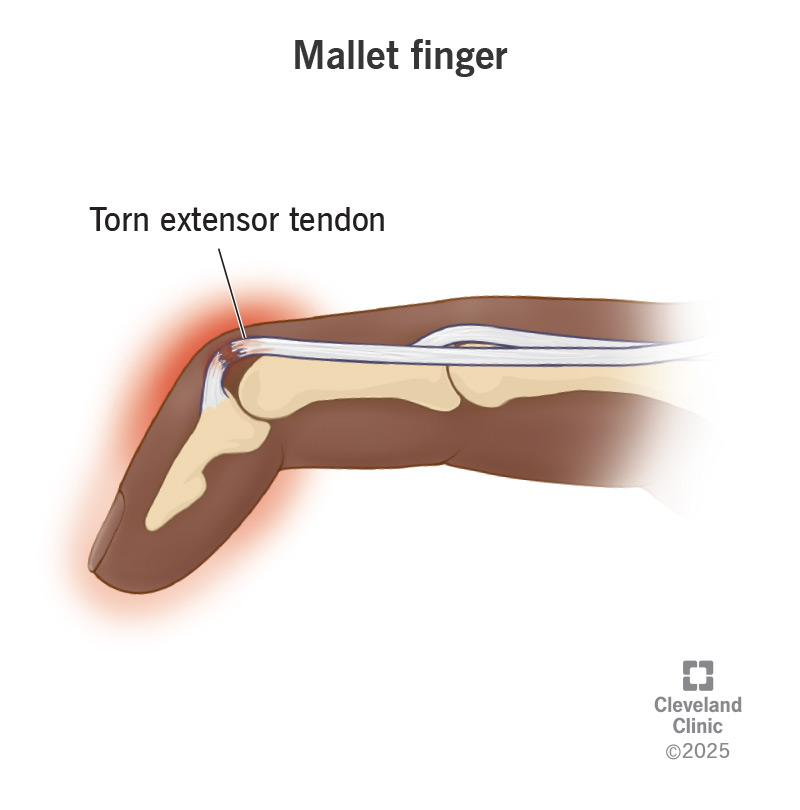 Click HERE for a more in-depth summary of Mallet Finger! | When your finger gets jammed in a hold, or the tip is suddenly bent from a straightened position | 6-8 weeks with a splint, 3-4 months for full activity |
| Climber’s Elbow (Medial Epicondylagia) | Inflammation and micro-tears in the tendons on the inside of the elbow | When the “gripping” flexor muscles in the forearm gradually develop micro-tears and strains | 2-4 months in mild cases, 3-6 in more severe cases |
| Shoulder Dislocation | When the top part of your upper arm bone pops out of the shoulder socket (the glenohumeral joint) | Falling on an outstretched hand (FOOSH) (Anterior dislocation) | Reduction of the shoulder happens soon after injury. It takes 12-16 weeks to recover fully functionally. |
| ACL/Meniscus Tears | A tear in the anterior cruciate ligament or the meniscus. | Sharply twisting/pivoting on your planted foot during landing, and/or sudden changes in direction | 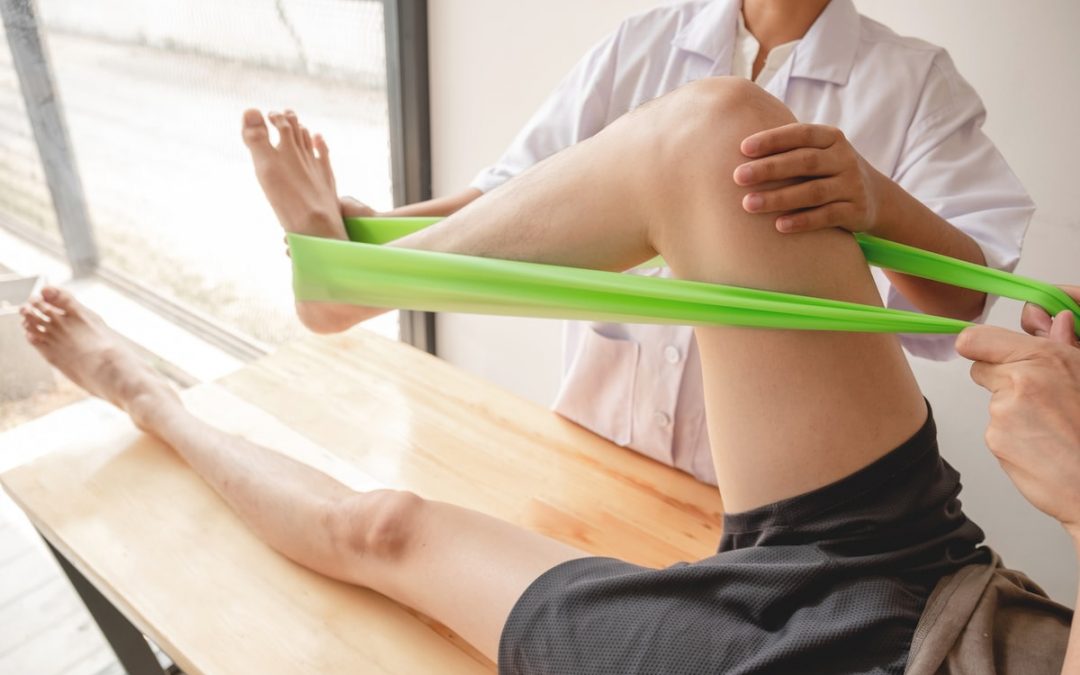 Click HERE to learn about ACL recovery! |
| Ankle/Foot Fractures | An ankle/foot fracture is a break, shattering, or cracking of a bone in the foot | High-impact falls or landing awkwardly on your foot | Most fractures heal within 6-10 weeks, but it can take several months to regain full mobility and strength again |
The Next Step: How West End Physiotherapy Can Help!
💡Recovering from a bouldering injury can be challenging, especially when healing takes weeks or months. Physiotherapy can help reduce pain, restore movement and strength, and guide a safe return to climbing.
⭐️Check out the resources below by clicking on the image to learn how West End Physiotherapy can help you recover and get back to bouldering with confidence.

🧗♂️