
Prevent Post-Run Pain: The Road to Recovery


Your guide to optimizing recovery and muscle function.
Attention all runners!
Is running pain preventing you from achieving your goals and sabotaging all hopes for a consistent running program? Well, look no further! We have the solutions to optimize your recovery and prevent post-run pain!
At West End Physiotherapy, we are dedicated to improving your health and educating our clients on how to be proactive about pain prevention and proper recovery.
Running is a high-impact activity that puts a lot of stress and strain on our muscles and joints. Neglecting the critical recovery phase can especially heighten post-run pain. Thankfully, our bodies are efficient machines that can repair their own tissues. That means we don’t have to let muscle soreness and acute damage get in the way of our progress!
In this post, we will explore some effective strategies to recover after a run and delve into the role of physiotherapy in helping you prevent post-run pain. We will help you get stronger and healthier, ready to conquer the next challenge!
Cool down— the right way
Do you find yourself getting back from a run and fighting the urge to head straight for the couch? As appealing as it seems, this is exactly the kind of behavior we wan to avoid. The way we choose to cool down will be the most critical to muscle recovery and performance.
Here are a few simple ways you can cool down with intention and kickstart the recovery process.
1. Foam Rolling
A thin sheet called fascia covers our muscles, and it often becomes very tight after running. One way to reduce the rigidity or muscle tightness you feel is by using a technique called myofascial release. You can do this easily at home with a foam roller targeting the quadriceps, hamstrings, and calf muscles.
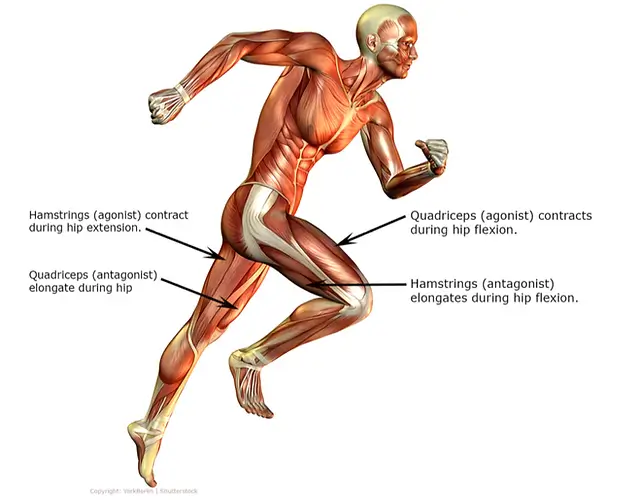

Don’t have a foam roller? Swing by our clinic and try out one of our foam rollers to roll that running pain right out!
Check out these tips on how to foam roll properly.
2. Stretch, Stretch, Stretch
Another great way to speed up muscle recovery is, you guessed it: stretching! I know you have heard it from all the health gurus and professionals out there, but their instruction is true. Stretching increases blood flow to recovering tissues, reduces muscle tightness, and prevents your range of motion from being restricted during your next run.
Another factor associated with muscle soreness is a buildup of lactic acid, which stretching can help filter out. This prevents the dreadful DOMS (delayed-onset muscle soreness) that might sneak up on you the next morning.
Take a look at these previous blog posts about the importance of stretching and the benefits that come along with it!
Replenish your fluid and fuel stores
Running is a strenuous activity that requires a lot of energy. After a run, your body needs to replenish what it lost to kick-start the repair and recovery process. We must prioritize replenishing our water intake, electrolyte levels, and energy stores, which you can do easily.
Hydration 101
You know the feeling when you have conquered that last kilometer. Your body tries to release the pent-up heat energy, and the result is a lovely sheen of sweat coating your forehead! Sweating not only removes heat, but also causes us to lose important minerals known as electrolytes.
These minerals, including sodium, magnesium, and potassium play a vital role in the communication between our nerves and muscles. Replacing those lost electrolytes will increase muscle repair and help with nutrient absorption.
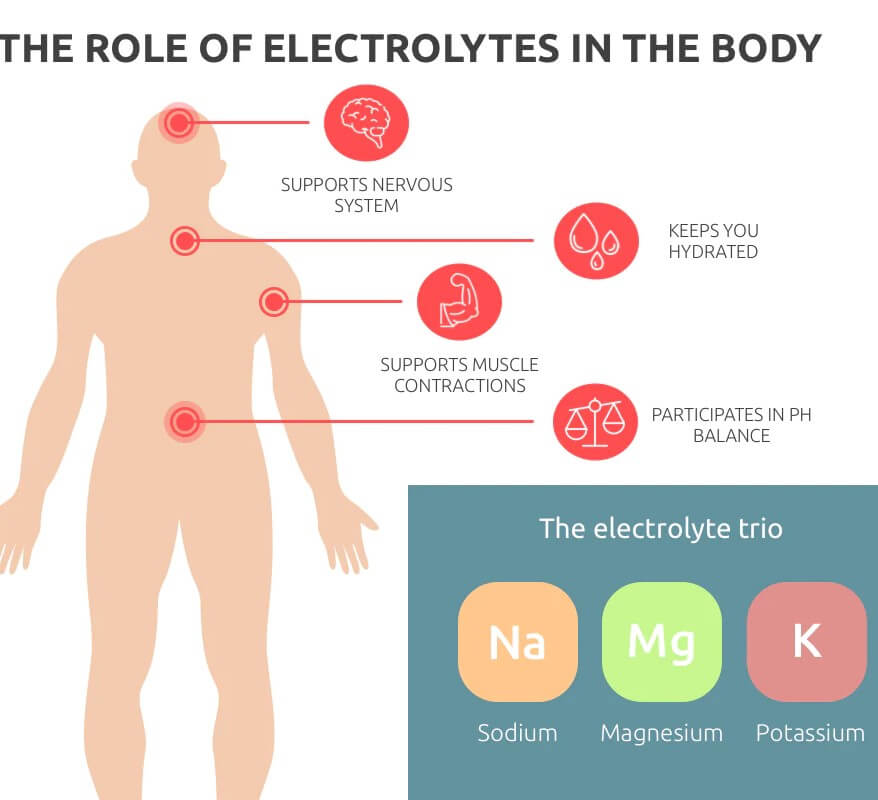
Check out these simple snack ideas that are high in electrolytes!
Food is Fuel
So, you’ve completed the hardest part: the strenuous feat of the run. You’ve rehydrated, stretched, rolled, and now the couch is calling your name. But there seems to be something else that requires your immediate attention: the roaring of your stomach. Let’s investigate why!
Running relies on the coordination of different muscle groups, making it very energy-demanding. As we spend more time in this aerobic state, energy stores within muscle are used up, and eventually exhausted. It is critical that we replenish these energy stores so we have fuel to draw from during our next run.
Take this as the perfect excuse to make a post-run snack! One that is high in carbohydrates and protein will promote the resynthesis of those energy stores and accelerate repair of any microtears in the muscle.
Wondering how to fuel before a run?
Need some inspiration for your performance goals?
Physio is your friend!
When it comes to recovery and injury prevention, physiotherapy is a great resource to take advantage of! Physiotherapists can assess your running biomechanics and identify issues that might be the cause of your post-run pain. Seeking the expertise of a physiotherapist can accelerate the recovery process and minimize your risk of future injuries.
Here at West End Physiotherapy, we have a fantastic team of physiotherapists, chiropractors, and massage therapists that are guaranteed to get you back on your feet, so you can go the extra mile. Check out how they can help below!
Manual Therapy and Treatment Modalities

Hands-on techniques like massage, joint mobilization, and soft tissue release will help alleviate muscle tension and improve joint mobility. Modalities such as ultrasound, electrical stimulation, and cold therapy will reduce inflammation and promote healing in injured tissues. A healthy combination of both techniques will leave you waving your post-run pain goodbye!
Exercise Prescription and Expert Tips
Aside from alleviating your post-run pain, you can expect a customized exercise program to strengthen weak muscles, improve flexibility, and correct imbalances in your body. Our clinicians can also recommend running form adjustments or suggest orthotic solutions that will help keep that post-run pain in the past!
Follow our Instagram page and stay tuned for our Weekly Exercises posted on our website, where you can find a variety of exercises and helpful tips from our team of clinicians!
Check out these running specific exercises from our sister clinic!
Injury Rehabilitation
We all know the feeling when you push too hard. You hear the pop, feel the strain, and can no longer trick yourself into pushing through the pain. You have *gasp* been injured. Have no fear; our team is here! We will help guide you through a structured rehabilitation program, making sure you can return safely to running.
Ready to get started?
You don’t have to let the fear of soreness, aches, and injuries stop you from enjoying the things you love. It’s time to put the effort into proper running recovery to fend off the potential for post-run pain.
To learn more about our pain management and rehabilitation options, contact West End Physiotherapy today. Our clinicians are here to answer your questions, provide specialized advice, and restore your functional health.
FAQ’s about Running Recovery
Soreness can be caused by acute inflammation or microtears in the working muscles. This is a normal response to exercise and can actually be beneficial because our muscles repair themselves even stronger than they were before.
30 seconds is the minimum amount of time recommended to hold a stretch in order to see the benefits.
It is alright to run even though you still have soreness from a previous session. If you are still sore, running at a lighter intensity or shorter duration may be beneficial. Keep in mind our helpful tips listed above to prevent and alleviate soreness!