
Pelvic Floor Physiotherapy: Rehab

Why might you need pelvic floor physiotherapy exercises?
A familiar patient’s Pelvic Floor Physiotherapy pre-treatment story: You love being a mom but ever since having your babies, your body has been working against you. At first it was comical. You would leak when you laughed or sneezed a bit. After a while it started to change how you live. You are up all hours of the night to use the bathroom. You start having to avoid long walks or public places without wearing make-shift diapers. Simple postures and daily routines now cause you pain in your lower back and abdomen. This is no longer funny. You’re scared and embarrassed of having an accident or hurting yourself every time you try to workout so you stop completely. Now you’ve gained more weight which is only making everything worse.
- You feel stuck and helpless. Is this normal?
- Do you just have to live like this now?
- Are leaks and pain just the price you have to pay for being a mom now?
Can you relate to this story? Maybe your kids aren’t even little anymore but you’re still living like this? We hear this story over and over at our clinics and you aren’t alone. However, just because something is common, doesn’t mean it’s normal. There are multiple physiotherapy treatments available at our clinics that will make you believe that you don’t have to live this way anymore. Pelvic floor physiotherapy exercises and treatment can make the difference you’ve been waiting for. The story above is reminiscent of many patients who we have treated with complete success!
Do I need Pelvic Floor Physiotherapy?
Questions you should be asking yourself are:
- How can I strengthen my pelvic floor with physiotherapy?
- How can I improve my pelvic floor function with physiotherapy?
- Should I see a pelvic health physiotherapist?

Did you know that 1 in 3 Canadian women are affected by a condition associated with pelvic floor dysfunction? The most common conditions include:
- -urinary incontinence
- -pelvic organ prolapse
- -pelvic pain
Pelvic floor physiotherapists are trained to assess and work with those conditions.
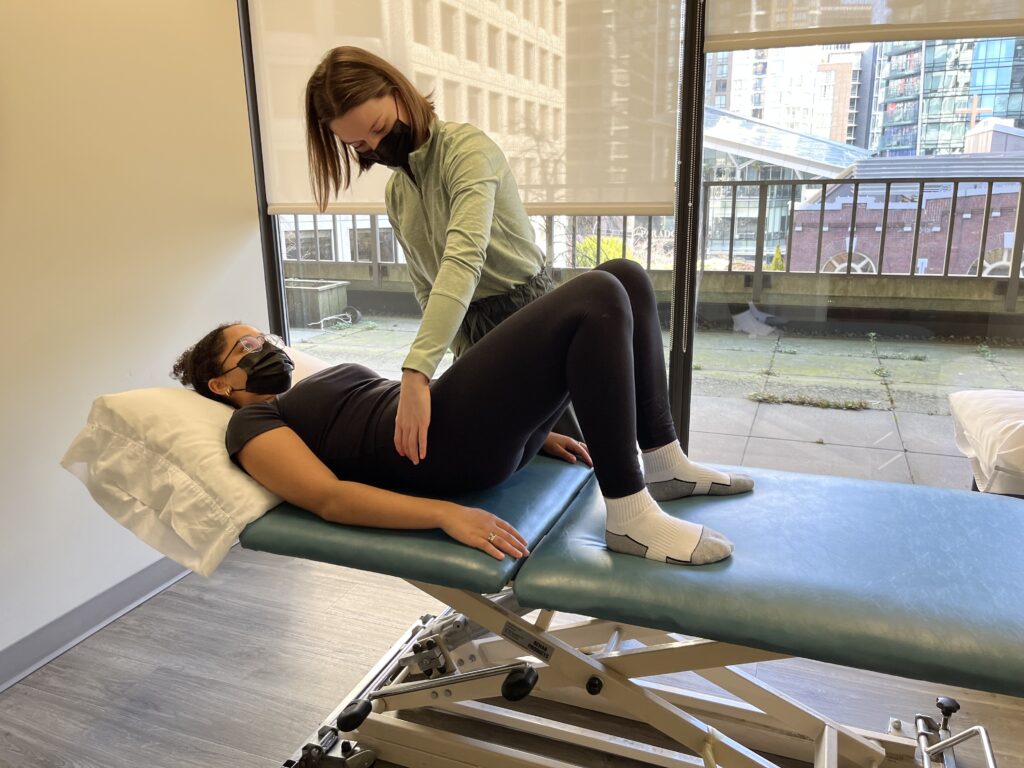
How to treat your pelvic floor problems with a pelvic health physiotherapist?
So how can you improve your pelvic floor function? First of all, understanding the why is a big part. The pelvic floor is a group of muscles that support the pelvic area and organs (bladder, bowel and in women the uterus).
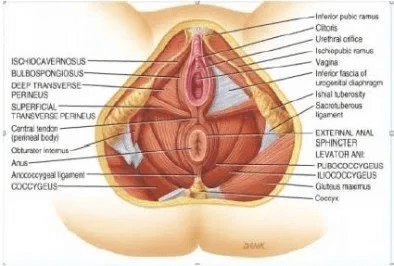
The pelvic muscles can be too weak or too tensed which will need 2 different approaches. That is why seeing a good pelvic health physiotherapist or pelvic floor physiotherapist is important. You need to understand the reason for your dysfunction. Doing kegels can actually aggravate certain conditions so it is important to have an individualized assessment before trying things on your own.
You also need to look at the other components that come into play:
- How is your breathing?
- Are you having pain in the pelvic floor area, hips or low back?
- Are you having pain or difficulty with bowel movements or with urination?
- Do you experience stress incontinence (leaking when jumping, laughing, sneezing etc)
- How many times do you get up to pee at night?
Those are a few questions you can ask yourself. From there, what can you do to take control of the situation?
When to strengthen my pelvic floor?
Let’s look at the other scenario where we are talking about a weakness of the pelvic floor muscles. This could be the result of:
- a surgery or an injury
- overstretching during labor
- fatigue in the pelvic floor muscles from chronic tension
- following treatment for pelvic cancers (prostate, endometrial, cervical)
Those are a few examples of why the pelvic floor muscles can become weak. You can also discuss these reasons with your pelvic health physiotherapist.
5 Easy ways to relax my pelvic floor:
1: Practice DEEP DIAPHRAGMATIC breathing
2: UNCLENCH your JAW and RELAX your SHOULDERS
3: Get INVERTED and deep breathe
4: Stretch the muscles ALL AROUND the pelvis
5: Make time for things that bring you JOY and help YOU relax
What to do next:
If you are experiencing any of the symptoms above, call our clinic today using the number below. Not sure if it’s right for you? We can book you a FREE Discovery Visit to chat with our awesome pelvic floor physiotherapist so you can ask your questions before committing to treatment and find out if it’s right for you.
Want to learn more?
FAQ’s
1) What happens in pelvic floor physiotherapy?
During pelvic floor physiotherapy your therapist will look at different aspects that are affecting your pelvic floor function. The goal is to regain balance in the system using exercises, education , acupuncture , hands on treatment and lifestyles changes if needed.
2) Does pelvic floor physiotherapy involve an internal examination?
Yes, so long as the patient gives consent, the best way to assess these muscles is like any other muscle group, hands on. These muscles just happen to be internal instead of external.
3) Does pelvic physiotherapy hurt?
No. Treatment and assessment are tailored to the patient’s comfort level and symptoms. The goal is to avoid pain. Pelvic floor physiotherapy is much more gentle than PAP exams or pelvic ultrasounds! It is normal to feel pressure or at times, very mild discomfort, however the patient is the boss and always guides assessment and treatment intensity.