
Top 5 Reasons for Back Pain

Do you suffer from back pain? Wondering what the reason may be?
Cracking the Mystery of Back Pain
Are you tired of constantly battling that nagging, persistent back pain? You’re not alone. Back pain is an unwelcome companion for many of us, often showing up unannounced and overstaying its welcome. Whether you’re an athlete, a desk jockey, or a parent constantly on the move, understanding the root causes of back pain can be a game-changer.
In this blog, we’re going to peel back the layers and shine a spotlight on the top 5 reasons behind this common ailment that affects people from all walks of life. Whether you’ve experienced these issues firsthand or are just curious about what might be lurking behind your own discomfort, West End is here to provide clarity and insight.
So, if you’ve ever wondered why your back occasionally rebels against you, keep reading. We’re about to explore the leading culprits responsible for those aches and pains. By the end, you’ll have a better understanding of what’s going on beneath the surface and some valuable tips to help you get back to a pain-free life. Let’s begin our journey toward a healthier, happier back!
1. Posture Matters
We’ve all heard it at some point in our lives: “Sit up straight!” Those words from a well-meaning parent or teacher weren’t just about appearances; they were advice that could save your back from future troubles. Poor posture isn’t just about aesthetics; it’s a significant contributor to back pain. Here’s how it works:

- Spinal Misalignment: Good posture helps maintain the natural curvature of your spine, distributing your body weight evenly. Poor posture disrupts this alignment, putting extra pressure on certain parts of your spine, particularly the lower back.
- Muscle Strain: When you slouch or hunch over, it forces some muscles to overwork while others weaken. This imbalance can lead to muscle fatigue and discomfort, especially in your back and shoulders.
- Increased Disc Pressure: Your spinal discs act as cushions between your vertebrae. Poor posture, especially when sitting for extended periods with a rounded back, can increase the pressure on these discs. Over time, this can contribute to disc degeneration or herniation, causing intense back pain.
- Nerve Compression: Poor posture can also put pressure on nerves exiting the spine, leading to pain, numbness, or tingling sensations that radiate into other parts of your body.
In essence, poor posture places your spine and surrounding structures under undue stress, leading to discomfort and pain over time. The good news is that you can break this cycle and strengthen your back by incorporating some simple exercises into your daily routine. Here’s a quick link to the top 5 back exercises that you can do! You can also check out this blog post on how to improve your posture!
2. Herniated Discs
In the world of back pain, few culprits are as notorious and disruptive as herniated discs. These seemingly innocent, gel-filled cushions between our spinal vertebrae can wreak havoc when they’re not in the right place. Let’s dive into the world of herniated discs and how they can cause intense back pain.
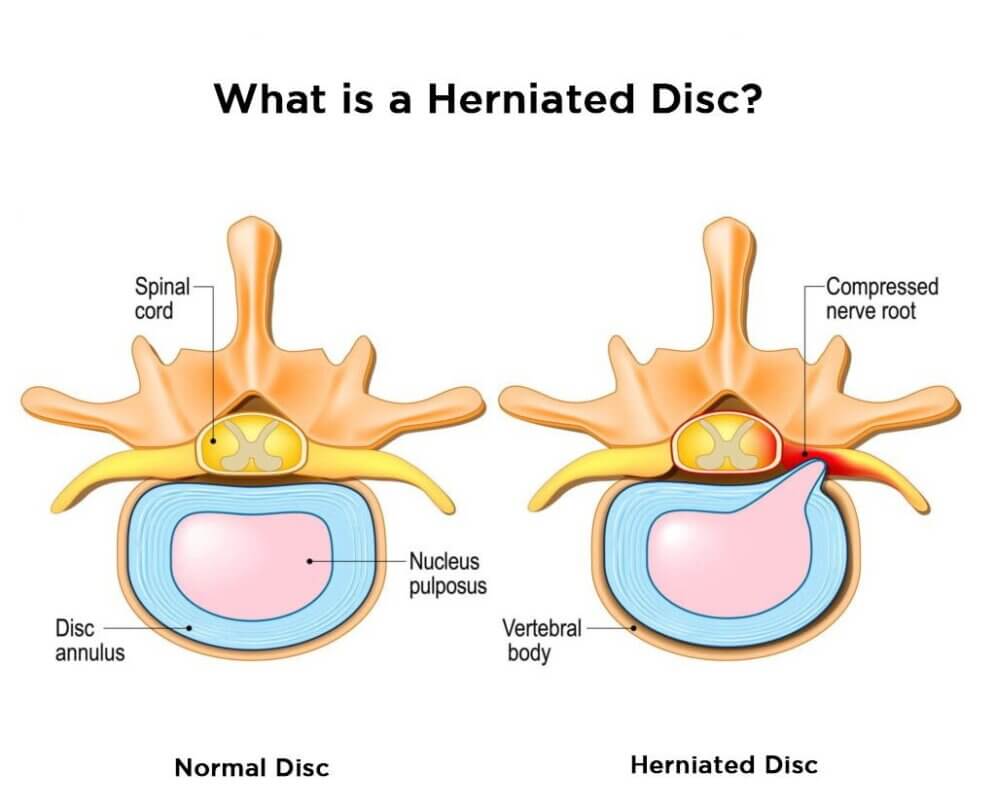
Imagine your spinal discs as jelly-filled donuts. They have a tough, outer layer (annulus fibrosus) and a gel-like inner core (nucleus pulposus). A herniated disc, also known as a slipped or ruptured disc, occurs when the soft inner material pushes through a crack or tear in the outer layer. This can lead to irritation or compression of nearby nerves, resulting in severe back pain and other symptoms.
Common Symptoms of a Herniated Disc:
- Back Pain: The most prevalent symptom is localized pain in the lower or upper back, depending on the disc’s location.
- Radiating Pain: If the herniation compresses a nerve, the pain can radiate into the buttocks, legs, or arms, creating a burning or electric-like sensation.
- Numbness and Tingling: You may experience numbness, tingling, or weakness in the areas served by the affected nerve.
- Muscle Weakness: Severe disc herniation can lead to muscle weakness, particularly in the legs or arms, making it difficult to perform daily activities.
Herniated discs can indeed be the hidden culprit behind your back pain. Understanding their causes, symptoms, and treatment options is the first step toward relief. If you suspect a herniated disc is the source of your pain, reach out to your nearest West End physiotherapy for some help!
3. Sedentary Lifestyle: The Silent Aggressor
In our modern world, where screens and desk chairs have become our constant companions, the sedentary lifestyle has quietly crept into our lives, bringing along a host of health issues, including back pain.
The Downward Spiral
Sitting for extended periods, whether it’s at a desk, in front of the TV, or during long commutes, can gradually lead to the deterioration of your back health. This downward spiral often starts innocently enough, but over time, the consequences become more pronounced.
When you sit for prolonged periods, you’re not using your back and core muscles as they’re meant to be used. This lack of engagement leads to muscle weakness, particularly in the muscles that support your spine. It’s like letting the scaffolding around a building deteriorate over time. Weakened muscles mean less support for your spine, which can lead to pain.
Here’s a quick exercise for when you’re stuck in that chair for too long!
4. The Weight of Emotions:
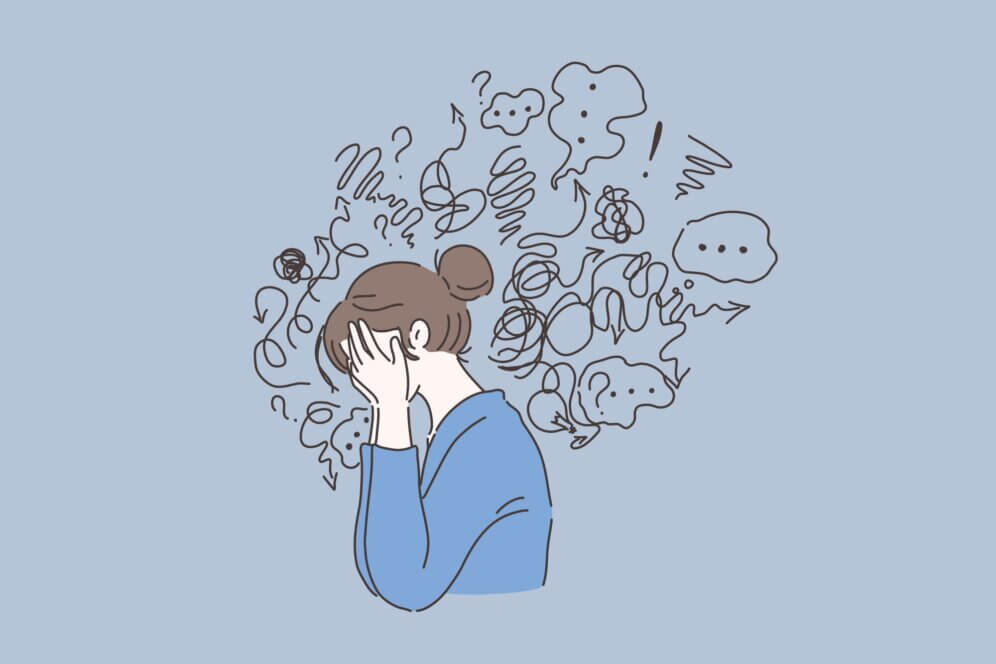
It’s a well-known fact that emotional stress can wreak havoc on your mental well-being, but what’s often underestimated is its profound impact on your physical health, particularly when it comes to back pain. Stress is a natural response that triggers a cascade of physiological reactions in your body. When you perceive a threat or are under emotional pressure, your body releases stress hormones like cortisol, which can lead to muscle tension and inflammation.
5. Muscle Strain
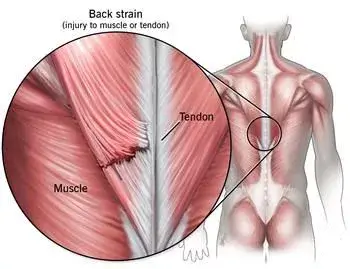
Muscle strains occur when you overexert your back muscles, often during activities like lifting heavy objects or engaging in intense physical exercise without proper warm-up. To avoid muscle strains, it’s essential to use proper lifting techniques and warm up before exercising. Additionally, maintaining a regular exercise routine that focuses on strengthening your core and back muscles can help prevent strains.
Common FAQ’s:
Can I exercise with back pain?
- In many cases, exercise can be beneficial for back pain, especially when prescribed and supervised by a healthcare professional. Specific exercises can help strengthen the back and core muscles, improve flexibility, and reduce pain.
Is back pain common as we age?
- Yes, back pain becomes more common as people age due to the natural wear and tear on the spine. Conditions such as osteoarthritis and spinal disc degeneration are more prevalent in older individuals.
How can I prevent back pain?
- Preventing back pain involves maintaining good posture, regular exercise to strengthen the core and back muscles, lifting with proper techniques, avoiding prolonged periods of sitting, and managing stress.
How we can help:
Looking for back exercises to help out? Check out:
Wondering more about back pain? Check out this post: https://westendphysio.com/physiotherapy-services/back-pain-relief/