
Preventing Knee Pain While Skiing: Causes and Solutions

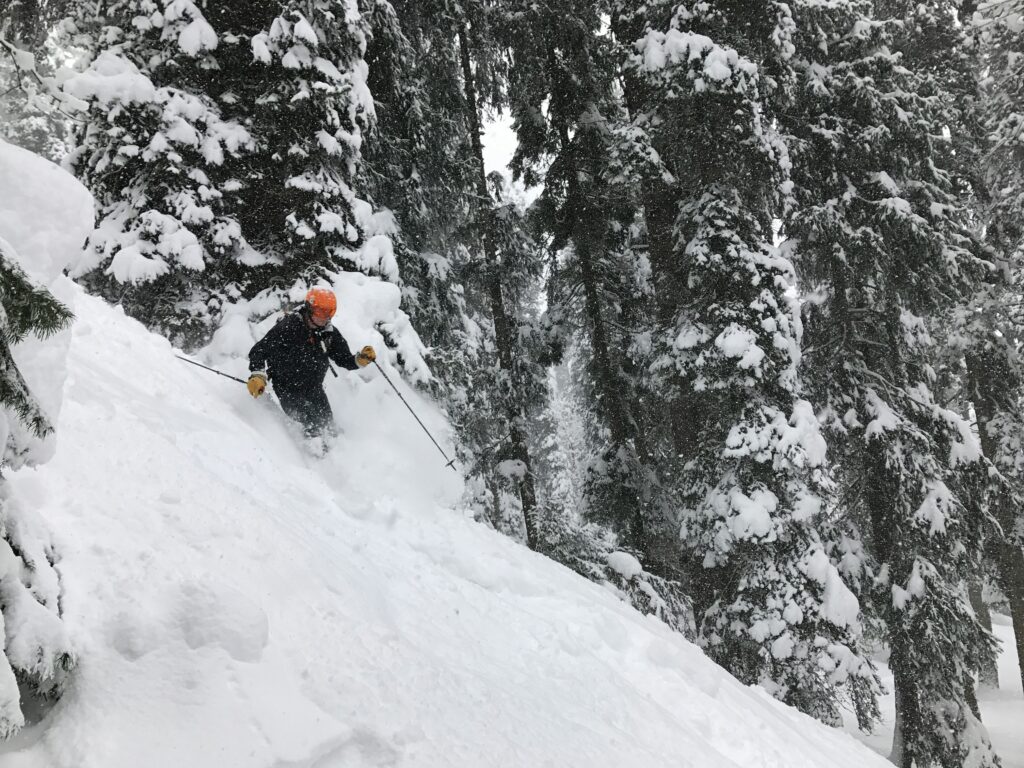
February and March are a couple of Vancouver’s prime skiing months, drawing skiers of all ages and experience levels to the mountains. Whether you’re racing down a black diamond or just getting comfortable on a bunny, skiing is such a fun and classic way to enjoy winter. However, for many, knee pain while skiing can become an unexpected consequence- even after just a weekend or two on the slopes.
What is Knee Pain?
Knee pain can stem from several factors, but one of the most common is a lack of strength. While the knees often take the brunt of the impact, the root cause of the pain may lie elsewhere: weakness in the ankles, hips, or, most commonly, the muscles surrounding the knee.
The quadriceps, hamstrings, and calves all play a crucial role in stabilising the knee joint, taking on high loads of impact, and controlling movement.
💡 When these muscles aren’t strong enough, the knee’s tendons, patella, or even the meniscus can be forced to take on the high loads instead, which can lead to strain and discomfort.

📌 Click here to understand more about knee pain!
Other Factors That Can Cause Knee Pain:
Another contributing factor to knee pain while skiing is muscle fatigue. As your muscles work hard throughout the day, the energy supply to the muscles tends to drop, which can lead to muscle cramping, strain on the joints, and overall soreness.
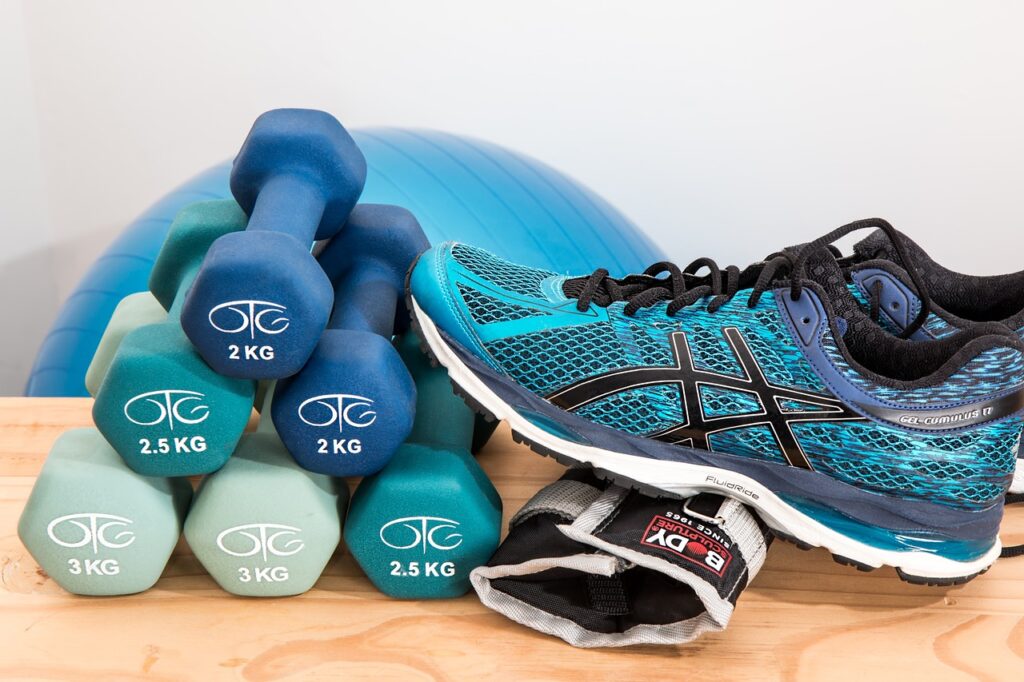
💡TIP – While rest helps with recovery from acute soreness or cramping, a better long term solution is to build strength and endurance in the muscles. By training your muscles to handle longer periods of activity -while also making them stronger- you can reduce knee pain, improve stability, and enjoy longer, more comfortable ski trips in the future!
How to Prevent Knee Pain While Skiing?
So – what does it take to prevent knee pain and improve overall performance? As mentioned above, strengthening the muscles around the knee is key. Stretching, squats, and leg extension exercises, are all great ways to do so.
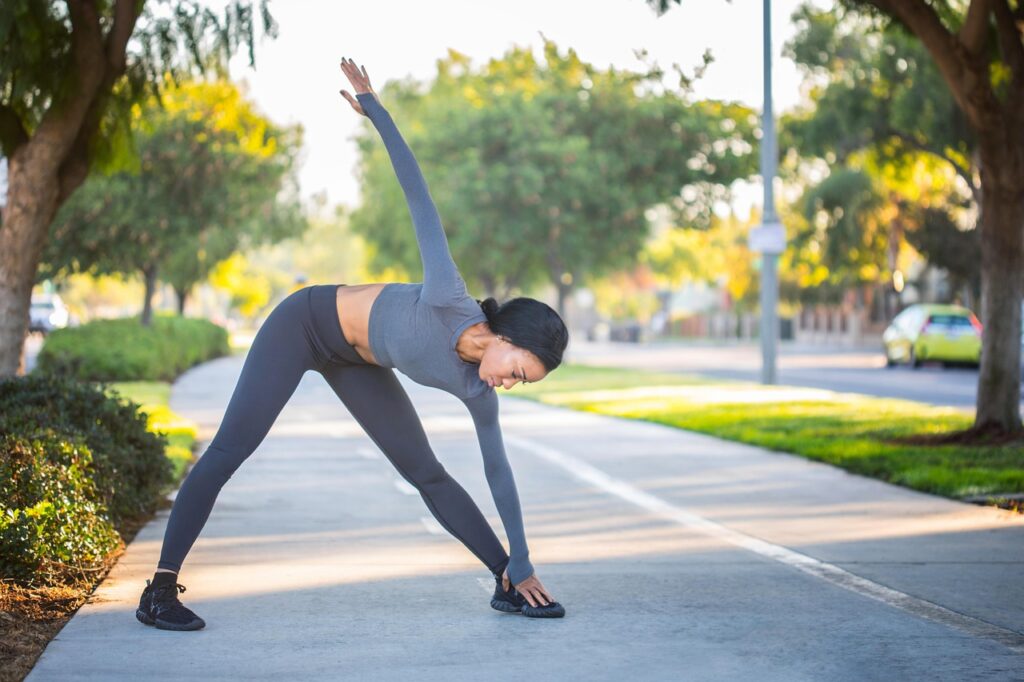
Getting Started:
If you’re unsure with where to start (or maybe going to the gym is daunting…), don’t worry! Below are some basic exercises/stretches to do to start building some strength in the muscles around the knee.
It’s best to start slow at first, to identify what your body can handle. From there, you can increase or decrease the exercise intensity.
Try These Exercises!
Hamstring Exercises:
- Lunges
- Runner’s Stretch
- Single Leg Romanian Deadlifts – with variations
Ankle and Calf Exercises:
- Heel Raises
- Calf Raises – With weights
- Calf Raises – Without weights
- Foot and Ankle exercises – With varied difficulty
Hip and Glute Exercises
- Seated Glute Stretch
- Hip Flexor Exercise
- Side Leg Raises
- Glute/Hip Bridge – with variations
- Side Stepping Squat – with resistance
As always, never do an exercise/stretch that causes you pain.
How Can Physiotherapy Help?
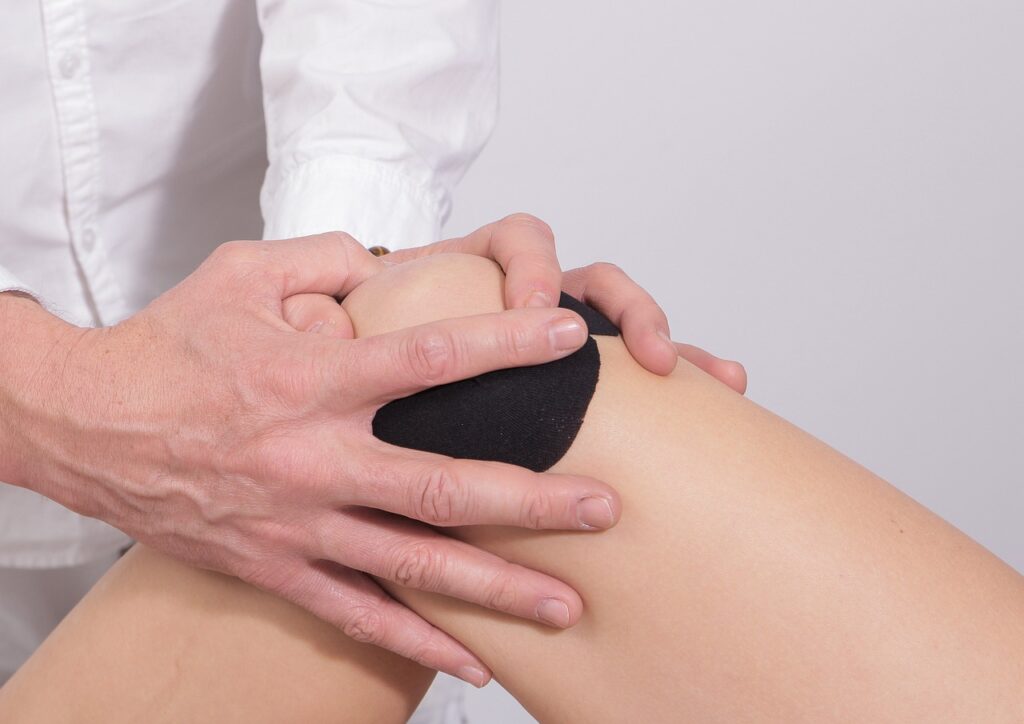
Along with these simple exercises, seeing a physiotherapist is a great option. A physiotherapist can provide expert guidance, for example, and ensure that you’re using proper form. A physiotherapist can also create an exercise plan that is unique to you and your needs. Not only can a physiotherapist make exercising feel less overwhelming, but it also reduces risk of injury or accidental strain.
📌 If, despite strengthening the muscles and seeing a physiotherapist, knee pain while skiing still persists, maybe seek a ski instructor → It could be that your form is slightly off. It’s always good to ensure you have proper form while skiing, as it helps reduce excess load on the joints. Proper form also means longer ski runs- you’ll find that your energy is being spent more efficiently.
Other Tips for the Trip😋
Now that strengthening is something you’ve added to the daily routine, don’t forget these basics tips. These will be the cherry on top of the cake to make your ski experience one like no other:
- Foam Rolling – if stretching is a bit too painful, foam rolling is a great alternative; whether before or after the ski, give it a try.
- Bring water and nutritious snacks along on the ride – keeping your energy up is key to making the most out of the run.
- Stay well rested – a ski trip can be very exhilarating, but don’t be tempted to stay up too late. Make sure you’re getting enough sleep, and rest whenever you can!
- Don’t ignore excessive discomfort or pain – while you’re up there having fun, pain can be easy to underestimate. However, ignoring the pain may lead to more serious injuries, and may put you out for the rest of the season. It’s better to stop, rest, and miss a few hours, than miss a few weeks.
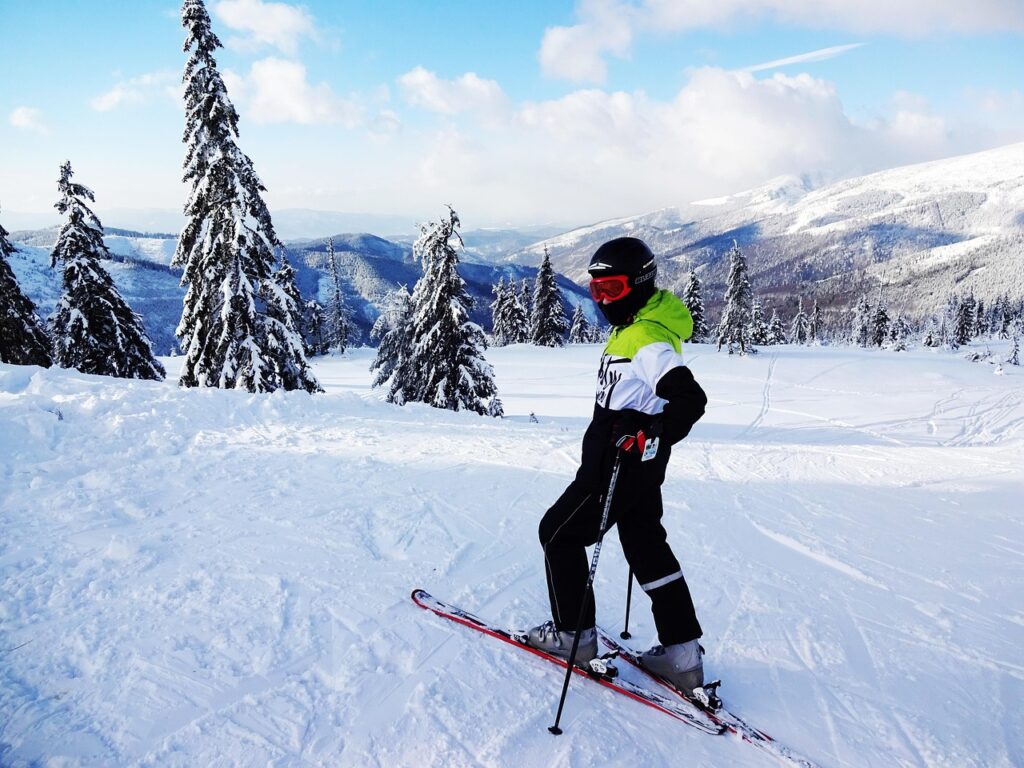
Keeping your body strong and prepared means fewer aches and more time doing what you love. By building strength, staying active, and listening to your body, you can move with confidence and reduce the risk of injury. A little effort now goes a long way in keeping you feeling great — on the slopes and beyond!
FAQ’s
What happens if pain persists, even after strengthening exercises?
🏋️♂️ Strengthening takes time, and other factors could be contributing to your knee pain while skiing. Consider whether you’re engaging the right muscle groups, maintaining proper form, or using a weight that’s too heavy.
💡 If the pain persists, consulting a physiotherapist can help pinpoint the issue, or ensure that the exercises you’re doing are right for you.
When will I start to feel stronger and more “ready”?
⏳ Because each patient’s baseline condition is unique, your therapist will work with you to develop a plan of care that is right for you.
During your first visit, your physiotherapist will determine your plan of care and the number of visits required. If you have any questions about the duration of your plan of care, don’t hesitate to reach out to your physiotherapist. Our team is here to support you and answer your questions.
How can I maximise the effects of my strengthening exercises?
💪 Focus on consistency, proper form, and gradual progression. Engaging the right muscles, increasing resistance or intensity over time, and incorporating balance and mobility work will enhance results.
💡 Also, don’t forget recovery — adequate rest, hydration, and nutrition🥗 all play a role in muscle development and injury prevention.
How can I stay consistent with my strengthening routine?
📅 Set realistic goals, schedule workouts like you would with appointments, and find ways to make them enjoyable — whether that’s listening to music, working out with a friend, or tracking your progress.
Incorporating exercises into your daily routine, even in small ways (for example, stretching), can make a big difference. If motivation dips, remind yourself why you started — stronger knees mean better skiing⛷️ and less pain!
📌 Click here for more tips on consistency!