
Ways to Stay Mobile With Age

What is Mobility?
Mobility is defined as the ability to move freely or the ability to actively move through ranges of motion. As such, mobility is a critical aspect to independent living, especially as we age. Decreased mobility as we age can increase our fall risk and generally decrease the quality of our daily lives. With aging comes a deterioration of both our neurons and muscle mass. This leads to slowed brain processes and decreased strength. Thankfully, this deterioration can be slowed and changed through training due to plasticity of both neurons and muscles when exposed to a stimulus. This article will go over methods to stay mobile as you age.
How Can I Stay Mobile?
Mobility can be maintained and improved with a variety of methods, this article will go over two important methods, however there are many more ways to stay mobile with age.
Participate in Exercise
Mobility is shown to be maintained and even improved with all encompassing physical exercise, including strength training, cardio, stretching and balance training. This also results in an all around effect that is ideal for staying mobile as you age.
Resistance Exercise
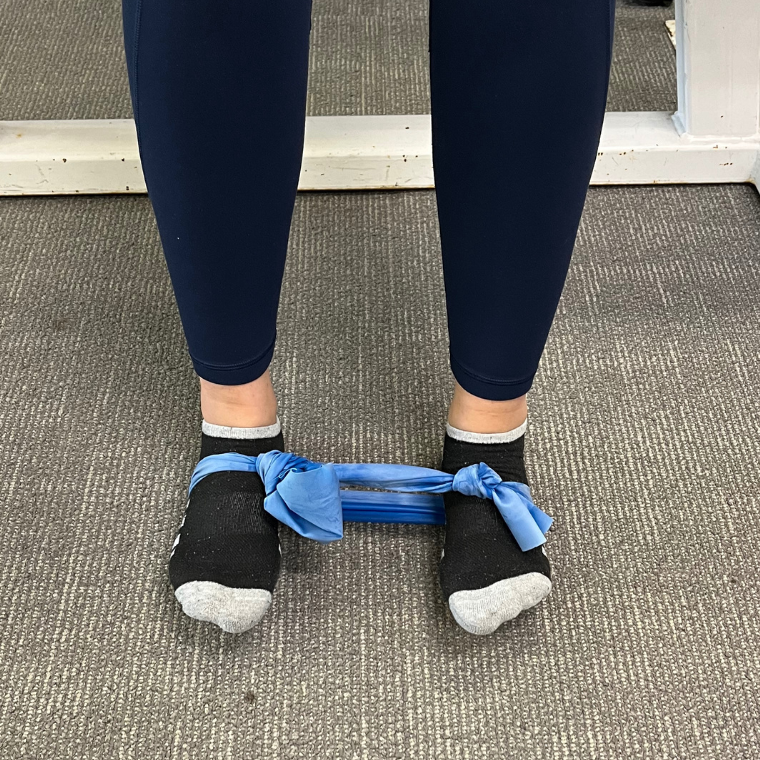
Strength or resistance training is incredibly versatile and can be tailored to your interests, with the choice of equipment, body weight and/or machinery to train as comfortable. Strength training is crucial to maintain and gain muscle, countering its deterioration. Increased muscle mass can lead to improved daily living by improving your ability to do everyday activities. Depending on the performed exercises, it can also improve your range of motion.
When starting resistance exercise, you should aim for a weight that tires the muscle in about 12 to 15 repetitions and a range of about 3 to 5 sets. The weight and sets can be gradually increased and the repetitions can be gradually decreased. These should be changed one factor at a time to fit your schedule or preferences.
Aerobic Exercise
Cardio or aerobic training, while less versatile than resistance training, also has different options, from walking to swimming, there is a preferrable choice for everyone. It is critical for stamina and reducing fatigue, which can cause instability and lead to falls, and helps you maintain mobility. It can also maintain your cognitive abilities, further helping your ability to stay mobile as you age.
When starting aerobic exercise, you should aim for about 10 to 20 minutes at a tolerable intensity. You should aim to gradually increase the time to 40 to 60 minutes per session as well as the intensity as you improve.
Stretching

As you age, your range of motion decreases, but stretching can help to limit and improve it. Stretching is often seen as an after workout exercise, however it can have more uses than just that. Stretching can be categorized into dynamic and static stretches. Dynamic stretching is incredible before a workout where it uses your range of motion to warm up your muscles. Static stretching on the other hand is better for cooling down. They are held in a position that puts tension on the muscle and only useful when your muscles are warm. Whichever method you prefer, both are important for improving range of motion which is a critical aspect of mobility.
When static stretching, hold the position for 30-60 seconds ensuring no pain.
Enjoy this topic? Click here to read more
Balance
Balance as you age it is critical in maintaining mobility, especially in preventing fall risk and injury. Defined as the ability to move or stand without falling, it requires the coordination of many parts of the body including the central nervous system, eyes, ears, limbs and more. It is imperative that balance is challenged and improved upon as you age in order to be able to continue to do all of the other types of exercise.
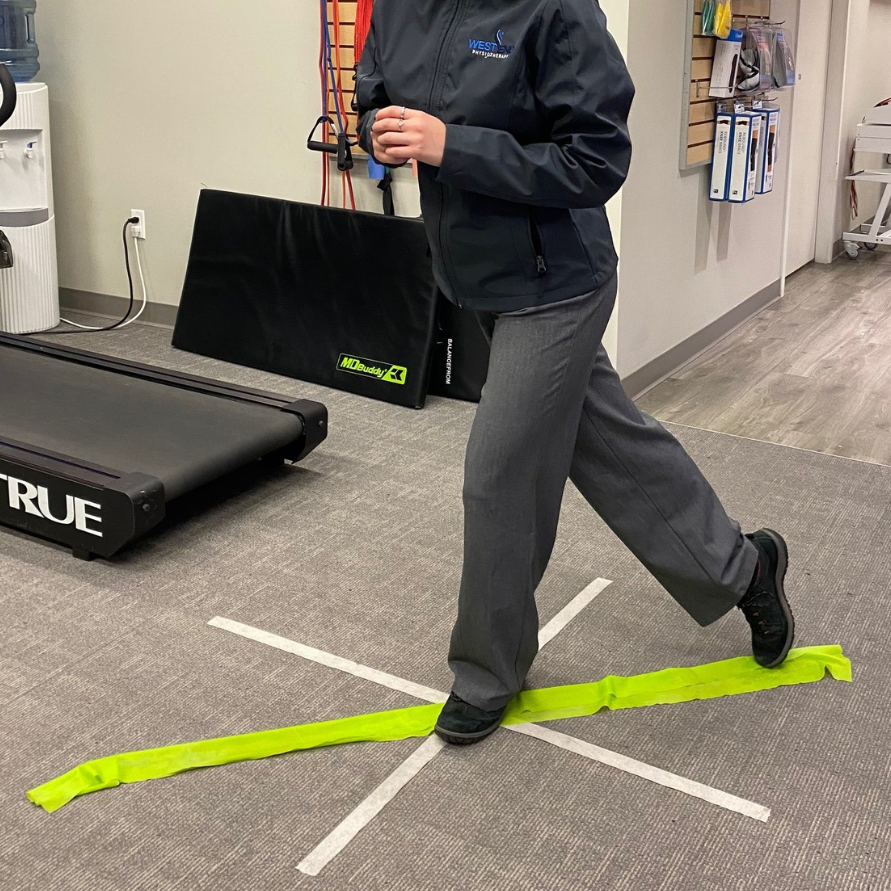
When working on balance, aim to hold any stationary stances for at least 30 seconds and work your way up to 60 seconds
Diet
While possibly surprising, maintaining a healthy diet is crucial for mobility maintenance. Ensuring that you have an adequate diet is crucial for proper nutrient intake, ensuring that you have enough energy to stay active and functioning. As per the Canadian Food Guide, a variety of fruits and vegetables should be eaten to provide a wide range of vitamins and minerals, whole grains should be eaten for dietary fiber, and lean protein should be eaten for muscle health.
FAQs
There are many ways to stay motivated to exercise, all dependent on what you enjoy. If you’re the type to enjoy social settings, you can sign up for senior exercise classes, but if you prefer to exercise alone, you could look to more internal motivators such as personal enjoyment or linking your exercise bouts with a mini reward. It’s all about what works for you and gets you going.
As per the Canadian 24-hour movement guidelines, seniors, aged 65+, should take part in at least 150 minutes of aerobic exercise in bouts of at least 10 minutes. Additionally, they recommend at least 2 bouts of resistance exercise for each major muscle group per week. They also recommend that the exercises you do challenge balance.
Yes there are! Many community centers provide senior exercise classes and you can cater to your personal preferences through different types of classes and locations. Another great option is your local physiotherapy clinic. A physiotherapist can help you create a personalized exercise list that is appropriate for your abilities and goals.