
Living with chronic knee pain? Top 10 Physio and Chiro Approved Tips
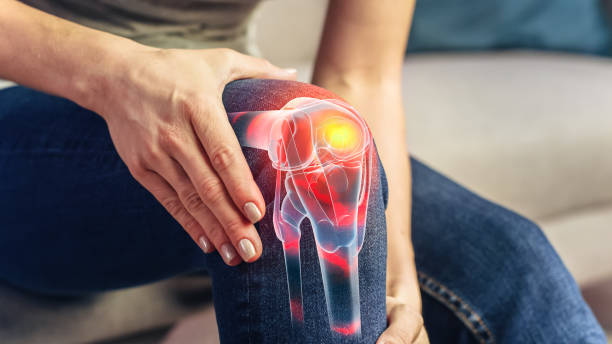
Living with chronic knee pain? Top 10 Physio and Chiro Approved Ways to Improve Your Day-to-day
Bonus: 3 things people do that make their pain worse.
Living with chronic knee pain can be frustrating and can impact nearly every part of daily life — from simple movements like climbing stairs to staying active and doing the things you enjoy. Chronic knee pain can develop for many reasons, including previous injuries, arthritis, overuse, muscle imbalances, or changes in how we move and bear weight. With input from our physiotherapy team, we’ve put together ten physio and chiro approved strategies to help you move more comfortably, support your joints, and improve your day-to-day function.
At the end there are also a bonus 3 things that can increase pain so keep reading to find out what they are.
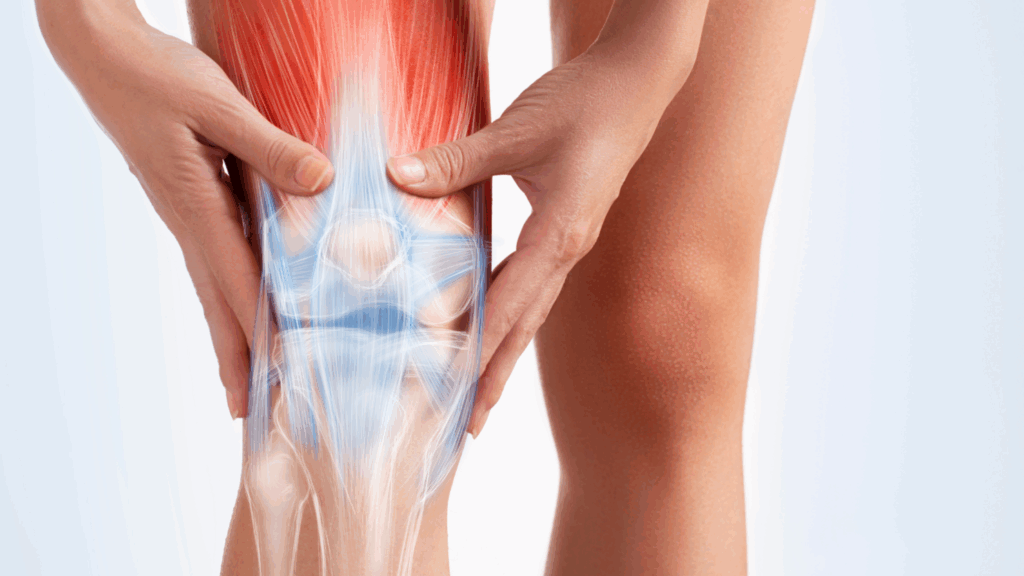
1. Keep Moving – But Move Smart
As much as it may feel better to just stay put and not move around movement actually helps. Gentle movement helps keep your joints lubricated and muscles strong. In saying this it is better to do exercises that are more low-impact to reduce the risk of damaging the weaker joint. Some good low-impact activities to try:
Walking

Biking

Swimming

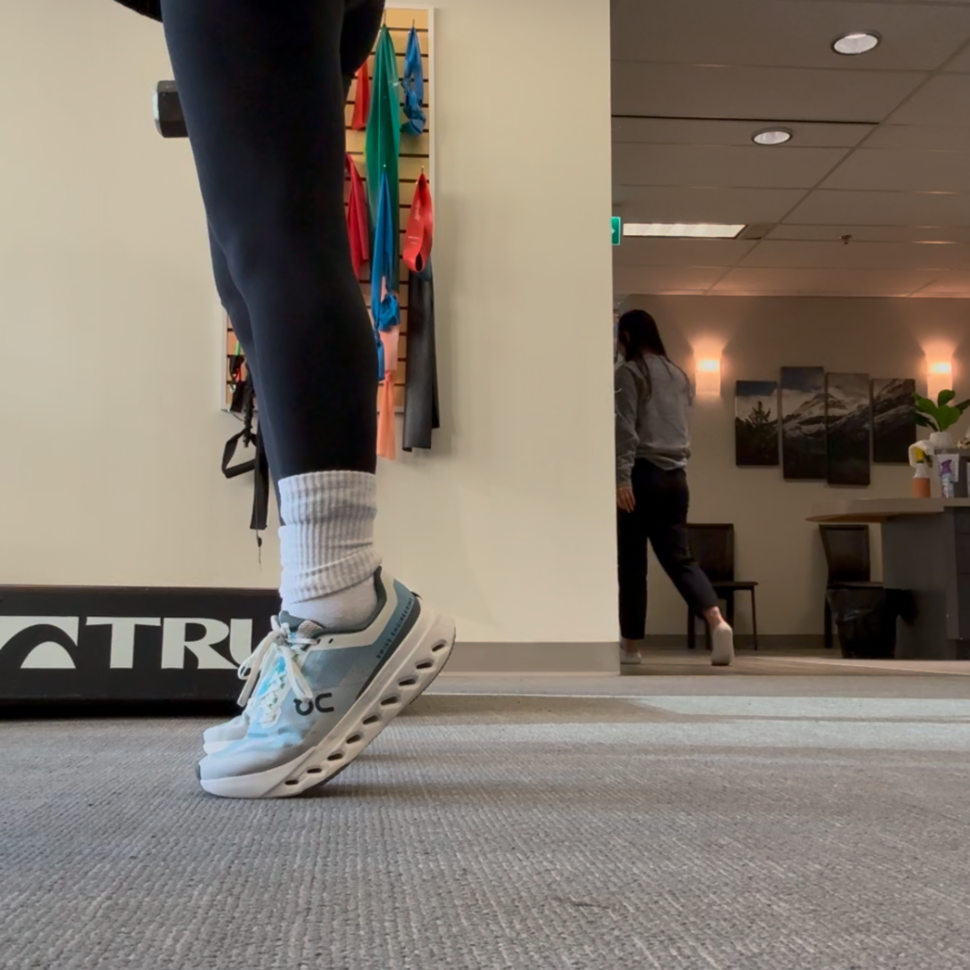
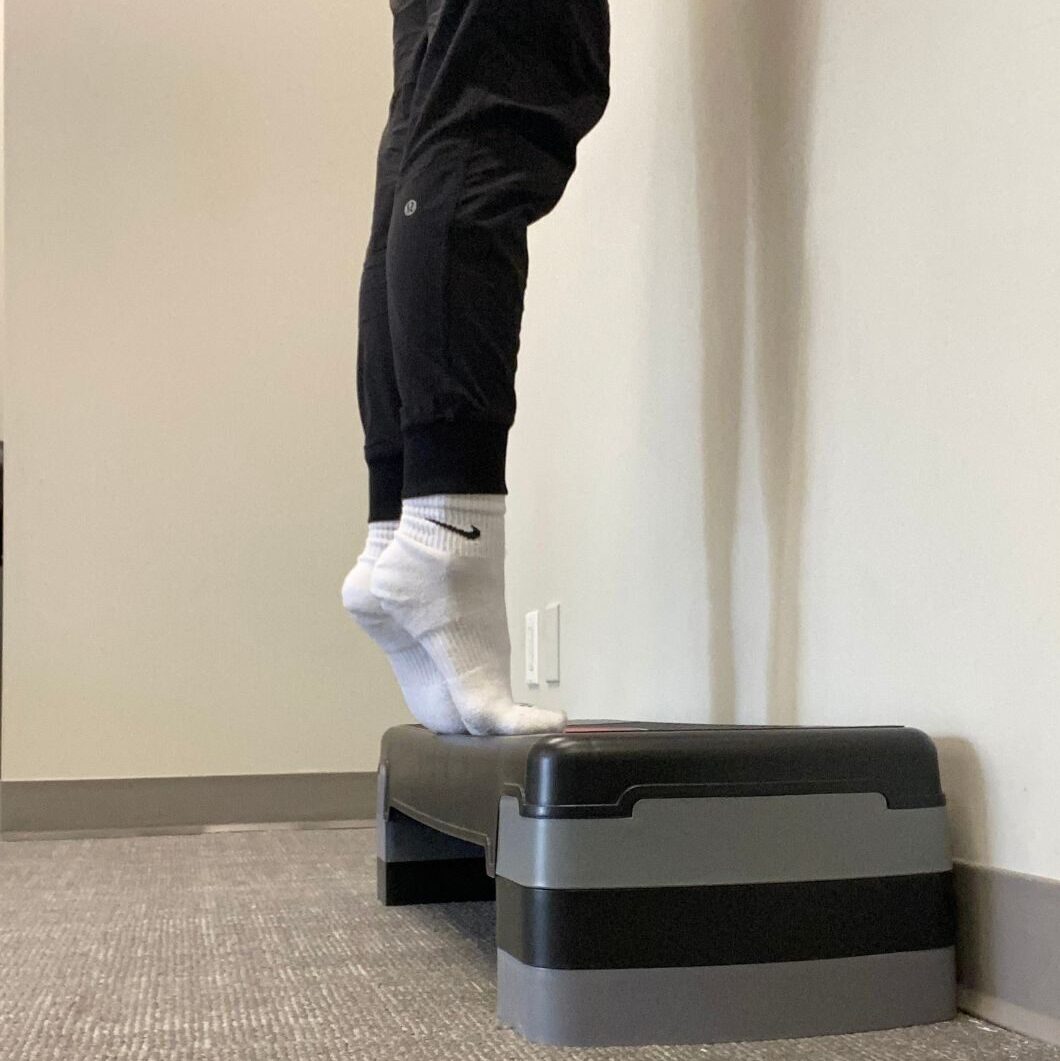
2. Strengthen the Muscles that Support Your Knee
Our body is a very interconnected system. This means that though you may be experiencing the pain in your knee strengthening the surrounding muscles. This includes your quads, hamstrings, glutes, and calves. Bellow are some exercises you can try – just click on the image!

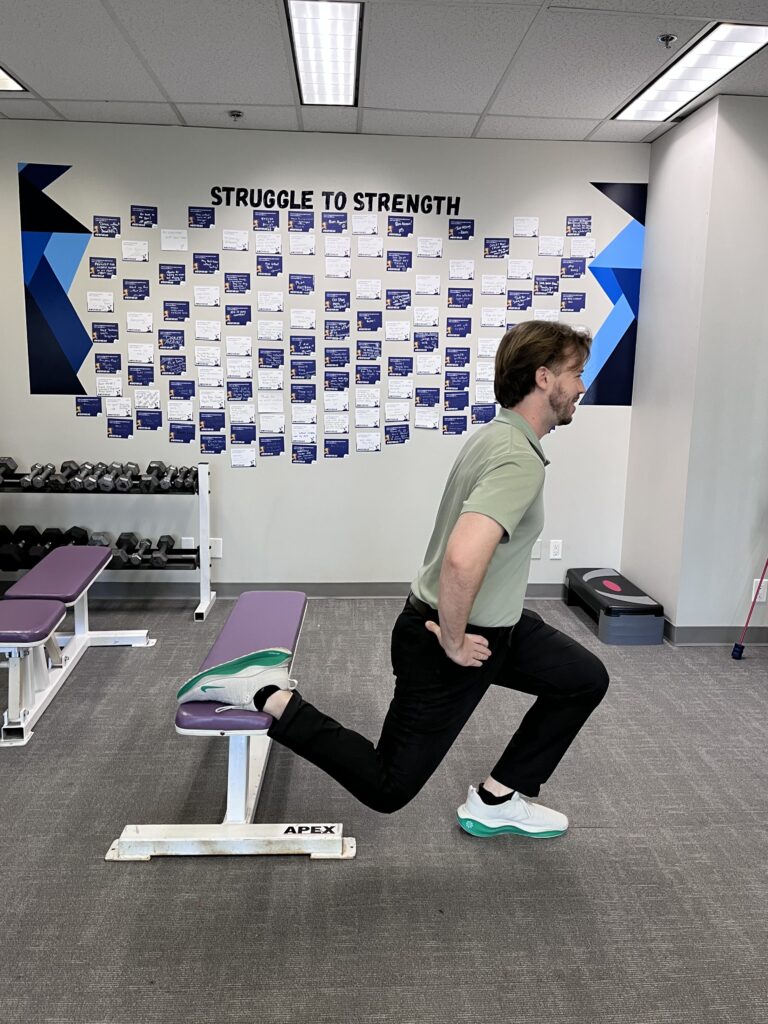

Hamstrings
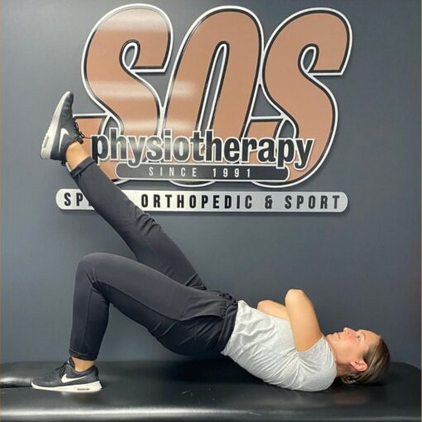
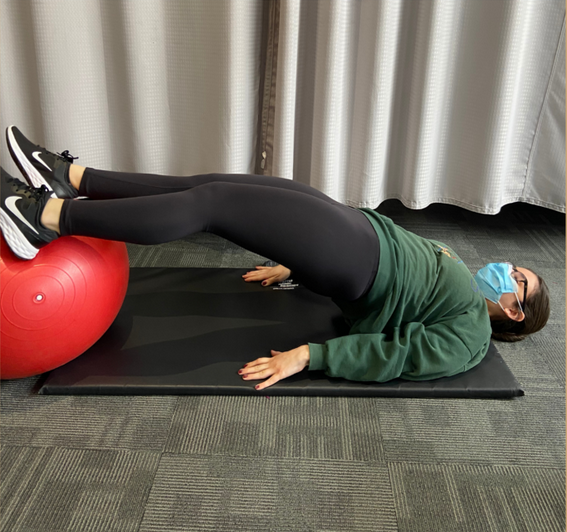

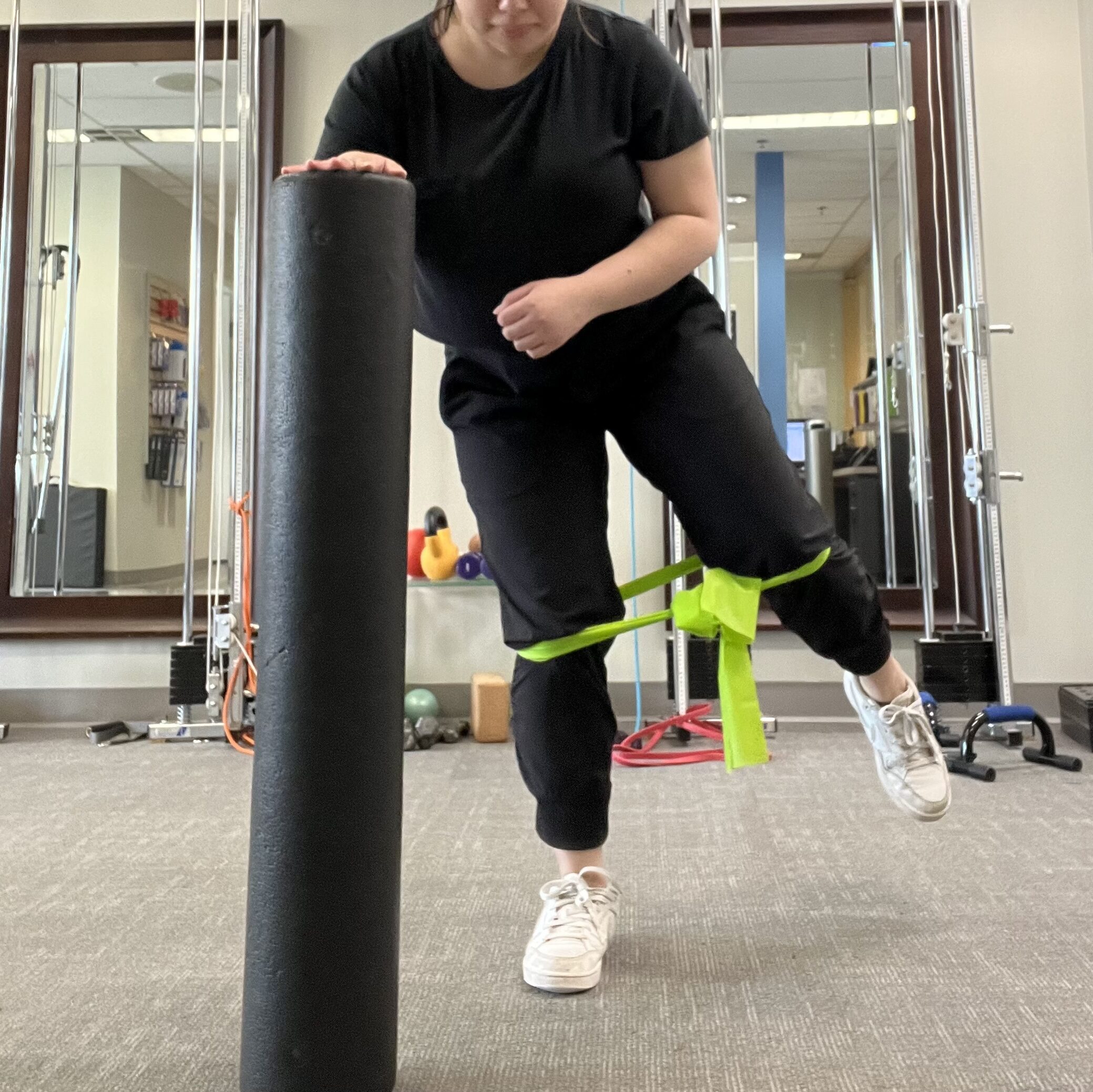

Calves
3. Stretch Daily
Just as strengthening can help provide stability, strengthening can help reduce any pain that is caused by tension in the surrounding muscles. Stretching these same muscles is good to do in tandem with strengthening.
Try out these stretches by clicking on the buttons bellow!
4. Use Heat and Cold Wisely
Heat and cold treatment can be helpful but it is good to know how to use it properly. Heat should be used before exercise or stretching to loosen up the muscles and joint. Ice can then be used after activity to calm any inflammation that may be present after exercise.

| Time On | Time off | |
| Heat | 15 – 20 minutes | 1 – 2 hours |
| Cold | 15 – 20 minutes | 30 – 40 minutes |

5. Check your Footwear
Everything is connected and having improper or unsupportive footwear can change the way you walk and can in turn cause pain. It is important to make sure that your shoes are supporting you properly and not causing any misalignment or weakness of certain muscles.
What to check for:
6. Focus on Posture and Alignment
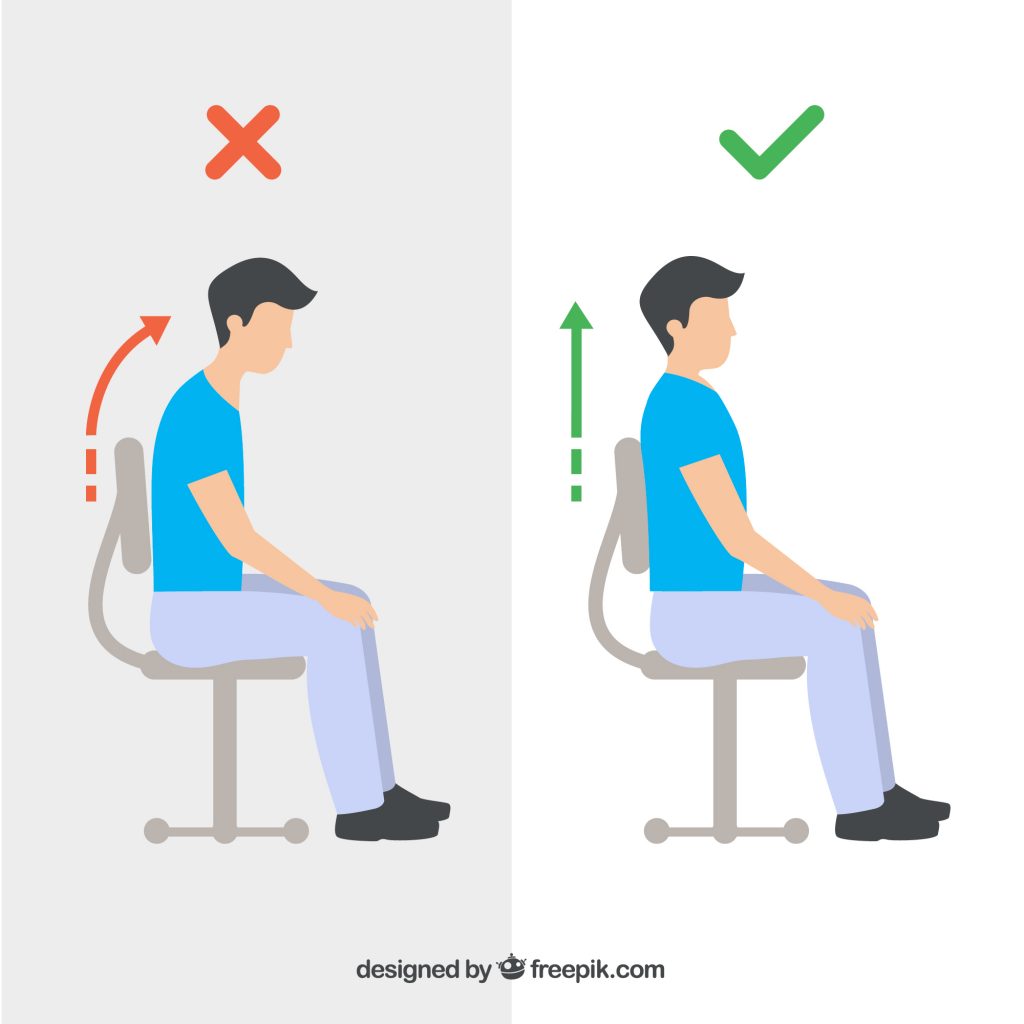
How you walk, stand, and even sit affects your knees. This may not seem important and when you are in pain it is easy to let go of other things. Maintaining good posture can help with using the right muscles and making sure you are keeping things in proper alignment during activity and use.
Here is an exercise to help with your posture!
https://westendphysio.com/weekly-exercises/posture-exercise-with-foam/
7. Pace Yourself
It can often be easy to get into the all-or-nothing mindset, but with chronic pain it’s important not to overdo it. When you are feeling good don’t push yourself too far into a flare up and then rest for multiple days. Rather slow down and do less and more consistently allowing you to build up strength and stay active despite pain.

This carries over to your physio exercises as well. Only do the number of repetitions that are suggested to you rather than pushing past when you are feeling good.
8. Try Targeted Manual Therapy or Massage
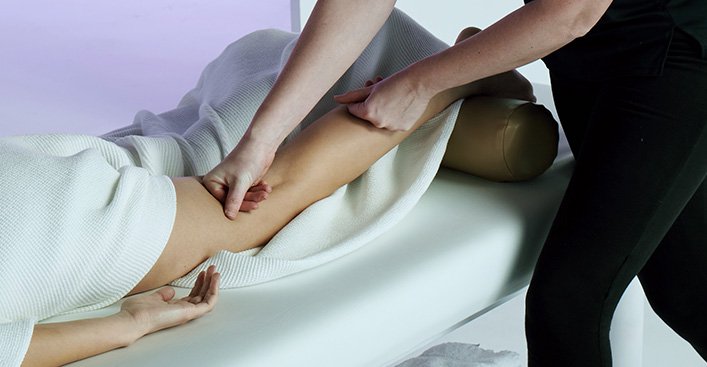
When exercising and when there is pain, often the surrounding muscles can get stiff or tense. Massage and manual therapy can be really helpful to try and relieve some of the tightness especially when combined with stretching and exercise.
In addition to the manual therapy our physiotherapists and chiropractors can perform, our massage therapists can be very helpful to relieve some pain resulting from the tension in the surrounding muscles.
9. Strengthen your core and hips
With increased core and hip strength you can improve your bodies mechanics and functioning which can in turn reduce strain on the knee joint. When we are in pain it is easy to try to find ways to move that are less painful. Often doing this causes us to move in ways that aren’t natural or compensate with the wrong muscles causing weakness in others. By ensuring strength in other muscles there is more stability given to the joints.
10. Get personalized physio support
Every knee pain story is unique! There are different causes and our bodies react differently to one another. A physiotherapist or chiropractor is able to assess and provide a personalized plan and treatment. With tailored exercises and rehab your pain may be able to improve or become more manageable.
Our team here are great and able to provide this personal support to help you on your pain journey. Book your initial assessment with us below to take your first steps with our team towards recovery.
Bonus: 3 things that people do that make their pain worse.
Sitting too long without movement
There is fluid in the joint that helps lubricate it and when seated for long periods this fluid is not moving around which increases pressure and cause stiffness and pain.
Ignoring small aches until they become big pains
It’s important to catch things early. Pushing through pain may mean that you are causing further damage or there may be things that you can do to improve it earlier and save you some pain.
Pushing through workouts that cause sharp pain
This ties in to what we said above. Pushing through pain is not necessarily a good thing. If any exercises are causing you sharp or lingering pain, stop! Exercises may create a feeling of ache as you stretch tight muscles but this pain shouldn’t linger longer than 30-40 minutes or be more than a 4 on a scale of 10.
Chronic knee pain can feel overwhelming, but small, consistent changes can make a meaningful difference in how you move and feel each day. By incorporating these physio and chiro approved strategies — from strengthening and stretching to pacing, posture, and supportive self-care — you can start building a foundation for healthier, happier knees. And if you need guidance along the way, our team is always here to help you understand your pain, personalize your plan, and support your long-term mobility. You don’t have to navigate knee pain alone — and taking the first step toward feeling better can start today.
Frequently Asked Questions
If your knee pain has been present for more than a few weeks, is limiting your daily activities, or keeps returning, it’s a good time to see a physiotherapist. Early treatment can prevent the pain from worsening and help you return to movement confidently.
Yes. Long-standing pain doesn’t automatically mean permanent damage. Many people experience improvements in pain, strength, and daily function after beginning physiotherapy — even if they’ve been living with knee discomfort for a long time.
Chronic knee pain can develop for many reasons, including arthritis, previous injuries, tendon or ligament irritation, muscle imbalances, or changes in how we move and bear weight. A physiotherapist or chiropractor can help identify the underlying factors contributing to your pain and guide you toward the most effective treatment options.